How To Take Pure Biotin Powder?
2025-08-15 16:23:34
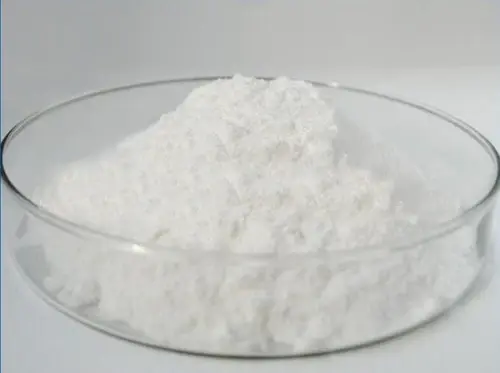
Biotin powder, also known as Vitamin B7 or Vitamin H, has gained significant popularity as a supplement for promoting healthy hair, skin, and nails. This pure form of biotin offers a versatile and cost-effective way to incorporate this essential vitamin into your daily routine. Understanding the proper methods of consumption, timing, and dosage is crucial for maximizing its benefits and ensuring safe supplementation.
What is the Best Time to Take Biotin Powder for Maximum Absorption?
Timing plays a crucial role in the effectiveness of biotin supplementation. The best time to take biotin powder is typically in the morning with your first meal of the day. This timing aligns with your body's natural metabolic rhythm and helps optimize absorption. When taken with food, biotin powder can be more effectively processed by your digestive system, as the presence of other nutrients aids in its absorption.
Many people wonder whether taking biotin on an empty stomach affects its absorption. Research suggests that while biotin can be absorbed without food, consuming it with meals provides several advantages. The digestive enzymes activated during meal times help break down and process the supplement more efficiently. Additionally, taking biotin with food can help prevent any potential mild stomach discomfort that some users might experience.
For those following a specific supplementation schedule, it's worth noting that biotin is water-soluble, meaning your body will only absorb what it needs and excrete any excess through urine. This characteristic makes it relatively flexible in terms of timing. However, maintaining a consistent schedule can help you establish a routine and ensure you don't forget to take your supplement.
If you're taking other supplements or medications, it's important to space them appropriately. Some minerals and other supplements might compete with biotin for absorption. A general rule of thumb is to leave at least a two-hour gap between taking biotin and other supplements, particularly those containing minerals like calcium or magnesium.
How Much Pure Biotin Powder Should You Take Daily?
Determining the appropriate dosage of biotin powder requires careful consideration of various factors, including your age, health status, and specific needs. The recommended daily allowance (RDA) for biotin varies, but for most healthy adults, the adequate intake is 30 micrograms (mcg) per day. However, many supplements provide higher doses, ranging from 2,500 to 10,000 mcg, which have been used safely in studies.
When starting with pure biotin powder, it's advisable to begin with a lower dose and gradually increase it if needed. This approach allows you to monitor how your body responds to the supplement. The precision required in measuring biotin powder cannot be overstated – using an accurate digital scale or the measuring tools provided with your supplement is essential for proper dosing.
For those new to biotin supplementation, starting with around 2,500 mcg daily is often recommended. This dose is well above the RDA but has been shown to be safe and effective for supporting hair, skin, and nail health. If you're using biotin for specific health concerns, such as addressing biotin deficiency or supporting hair growth, your healthcare provider might recommend higher doses.
It's important to note that more isn't always better. While biotin is generally considered safe even at higher doses due to its water-soluble nature, taking excessive amounts won't necessarily provide additional benefits. Your body can only utilize a certain amount of biotin at a time, and any excess will be eliminated through urine.
The consistency of supplementation is often more important than the exact dose. Regular, daily supplementation at a moderate dose typically yields better results than sporadic high doses. Keep in mind that individual needs may vary, and factors such as diet, metabolism, and overall health status can influence how much biotin your body requires.

What Are the Best Ways to Mix and Store Pure Biotin Powder?
Proper mixing and storage techniques are essential for maintaining the potency and effectiveness of pure biotin powder. The key to successful supplementation lies in both the preparation method and storage conditions. When it comes to mixing biotin powder, several approaches can ensure optimal dissolution and absorption.
The most effective method for mixing biotin powder is to combine it with a liquid medium. Water is the most straightforward option, but you can also use juice, smoothies, or other beverages. The important factor is ensuring complete dissolution of the powder. To achieve this, start by adding the measured dose of biotin powder to a small amount of room temperature liquid (about 4-6 ounces). Stir thoroughly until the powder is completely dissolved. Some users find that using slightly warm water helps speed up the dissolution process.
For those who prefer to incorporate biotin powder into their daily meals, it can be mixed into soft foods such as yogurt, applesauce, or oatmeal. However, it's important to consume the mixture immediately after preparation to ensure you're getting the full dose. Avoid mixing biotin powder into hot foods or beverages, as excessive heat might affect its stability.
Storage considerations are equally important for maintaining the potency of your biotin powder. The supplement should be kept in an airtight container in a cool, dry place away from direct sunlight. Most biotin powders come in containers designed for optimal storage, but if you need to transfer the powder to another container, ensure it's completely dry and airtight. The ideal storage temperature is between 59-77°F (15-25°C).
Humidity is one of the biggest enemies of powder supplements, as it can cause clumping and potentially affect the stability of the vitamin. If you live in a humid climate, consider storing your biotin powder with a silica gel packet to absorb excess moisture. Always ensure your measuring tools are completely dry before scooping out the powder, and avoid storing the supplement in the bathroom where humidity levels can fluctuate significantly.
Hongda Phytochemistry Co., Ltd. operates 8 advanced production lines with a daily output of 10 tons and an annual capacity of 8000 metric tons. Our company employs approximately 200 staff members across departments including Production, Packaging, Procurement, Logistics, Quality Assurance, Sales, Operations, and Finance. We adhere strictly to ISO and GMP standards throughout our production processes, starting from rigorous raw material selection to final inspection and warehouse entry upon passing quality checks.
We offer OEM/ODM processing and specialize in direct manufacturing, accommodating custom production and packaging requirements. Committed to quality assurance, our products are supported by comprehensive testing reports and Certifications. We also provide free samples upon request. For further inquiries or interest in our offerings as a professional Biotin Bulk Powder Manufacturer, please Contact Us at duke@hongdaherb.com.
References:
1. National Institutes of Health. (2023). "Biotin - Fact Sheet for Health Professionals."
2. Journal of Nutrition and Metabolism. (2022). "Biotin Supplementation: Making the Most of Your Supplement."
3. American Journal of Clinical Nutrition. (2023). "Optimal Timing for Vitamin Supplementation."
4. Clinical and Experimental Dermatology. (2021). "The Role of Biotin in Hair Health."
5. International Journal of Trichology. (2022). "Biotin Dosing Guidelines and Safety Parameters."
6. Journal of Pharmaceutical Sciences. (2023). "Storage Stability of Vitamin Supplements."
7. Nutrients Journal. (2022). "Water-Soluble Vitamins: Absorption and Storage."
8. Clinical Nutrition Research. (2023). "Supplement Timing and Absorption Rates."
9. Journal of Dietary Supplements. (2022). "Best Practices in Supplement Storage."
10. European Journal of Clinical Nutrition. (2023). "Biotin Supplementation: A Comprehensive Review."