How to Source Liposomal Vitamin C Bulk Ingredients Wholesale?
2026-05-29 15:52:23
To find Liposomal Vitamin C Powder Bulk, you need a plan that strikes a balance between quality control, following the rules, and a reliable supply chain. When purchasing liposomal ingredients in bulk, procurement workers need to look at new encapsulation technologies, check the Certifications of suppliers, and make sure that bioavailability standards are always met. This detailed guide walks business-to-business buyers through important steps, such as understanding nano-encapsulation specifications and negotiating MOQs. This helps nutraceutical, pharmaceutical, and cosmetic companies get high-quality bulk ingredients that meet strict industry standards while maximising cost-effectiveness and production scalability.
Understanding Liposomal Vitamin C Powder: Key Insights for Buyers
What Distinguishes Liposomal Encapsulation Technology?
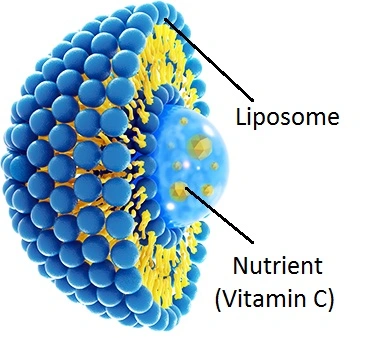
Liposomal vitamin C powder is a more advanced form of ascorbic acid than other products on the market. Typically, non-GMO sunflower or soy lecithin is used to make phospholipid bilayers, which are used to make nano-sized circular structures that protect vitamin C molecules while they are being digested. This works like the structure of a natural cell membrane, so nutrients can get around the intestine transport pathways that are full. Clinical tests show that liposomal delivery encapsulates 85–90% of vitamin C, compared to standard vitamin C's 15-20% absorption rate. This means that final goods have about 5–6 times better bioavailability. There are clear benefits to using powder instead of liquid liposomal solutions. Spray-drying or freeze-drying can turn liposomal solutions into stable, free-flowing powders that can be kept for a long time (up to three years at -20°C). This gets rid of the need for refrigeration during storage and shipping, which lowers the costs of logistics for foreign purchasing operations by a large amount. The fine, light yellow powder usually has 50–55% active vitamin C. The particle sizes are kept between 100 and 400nm, and the polydispersity index is less than 0.3 to make sure that the powder works the same way in capsules, tablets, and drinks.
Regulatory Frameworks and Quality Standards
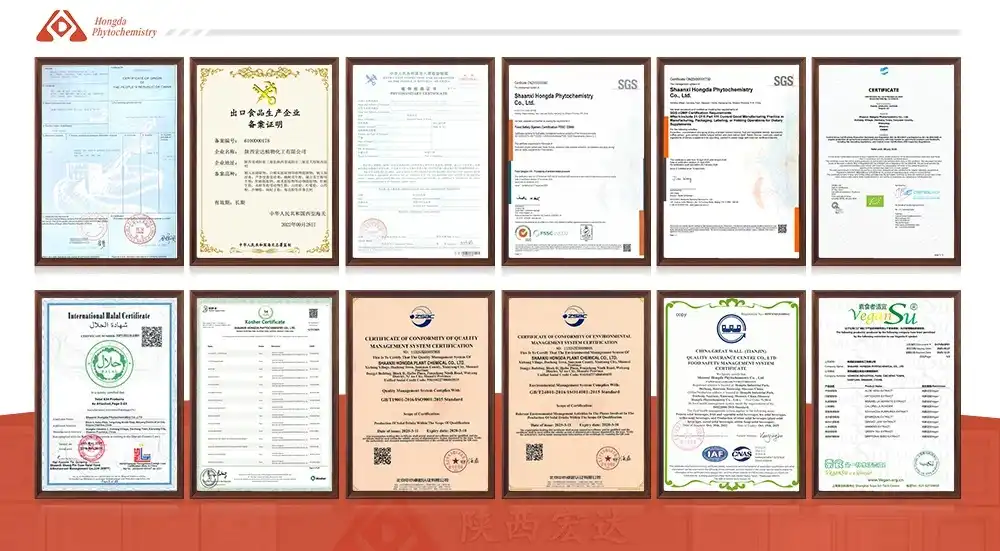
B2B buyers need to make sure that providers keep a full set of certifications. FDA registration, cGMP production compliance, ISO 22000 food safety management, and third-party proof through SGS laboratory testing are all important qualifications. If you want to make nutraceuticals for a wide range of customers, you have to get HALAL, KOSHER, and ORGANIC approvals. These certificates show that strict quality control rules are followed at every step of the production process, from getting the raw materials to packing them up. When buying in bulk, dosage should be thought about in terms of recommended daily limits and medicinal uses. Supplements usually have between 500 mg and 1000 mg of vitamin C per dose, which means that exact calculations of encapsulation ratios are needed when making product specs. When buying from approved makers, safety ratings are still very good, but procurement teams should make sure that there are no signs of gastric irritation by having third-party testing done. This is a typical problem with high-dose conventional ascorbic acid that Liposomal Vitamin C Powder Bulk technology effectively fixes.
Criteria for Selecting High-Quality Bulk Liposomal Vitamin C Powder Suppliers
Essential Certification and Compliance Verification
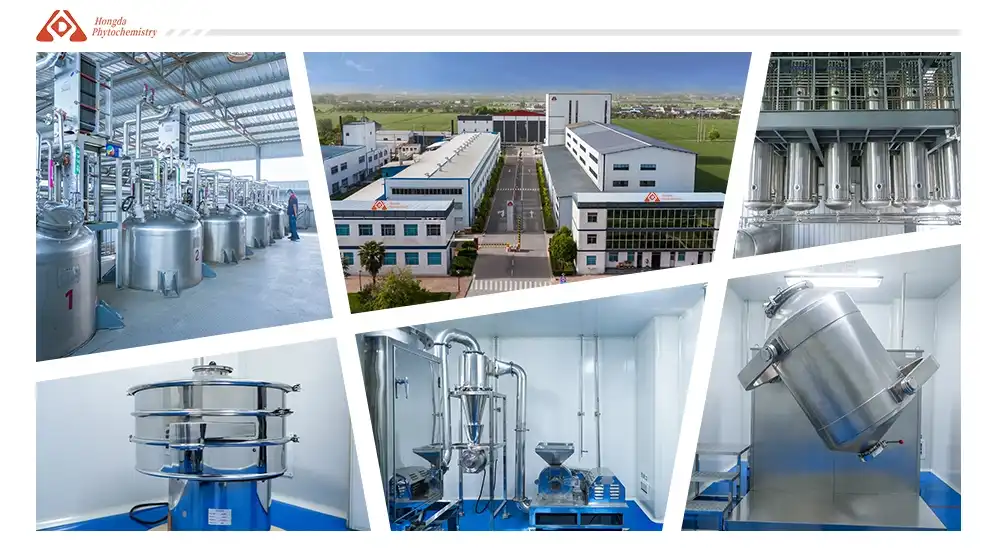
A thorough approval evaluation is the first step in choosing a supplier. Manufacturers with multiple international quality certifications have put money into making sure that regulations are followed and building up quality infrastructure. Check more than just basic paperwork to see if the certification is still valid by using government sources. A provider with both an SGS-certified laboratory and cGMP production sites can offer two types of assurance: analytical skills and strict manufacturing standards. Strong food safety management systems are shown by BRC Global Standards and FSSC 22000 approvals. This is especially important for nutraceutical and functional beverage uses, where supply chain integrity directly affects customer safety. Assessing a company's ability to make things goes beyond just checking off boxes for approval. Check to see if the suppliers have different liposomal production lines from their regular extraction lines to avoid cross-contamination. Advanced microfluidization or high-pressure blending equipment shows the high level of technical skill needed to make nanoparticles consistently. Suppliers with in-house research and development teams (ideally made up of Ph.D.-level scientists whose work has been published) can offer formulation support and custom development services that are more valuable than just providing commodities.
Evaluating Production Capacity and Technical Support
For medium- to large-sized producers, the production capacity of their suppliers has a direct effect on their ability to keep getting supplies and grow. Find out how much is produced each month, how many production lines are committed, and if any current client commitments might make it hard to assign work during busy times. A building that is more than 20,000 square meters and has several production lines shows that the company can handle large orders while keeping quality standards high. Ask about the smallest and largest batch sizes that the maker can handle. Some manufacturers are better at either large industrial runs or smaller special batches. Making sure that the batch size matches your volume needs will avoid problems in the future. The framework for technical help is what sets strategic partners apart from commodity sellers. Check to see if possible providers offer help with formulation, stability testing, and expert support after delivery. Custom formulation services are especially useful for OEM clients who are making their own blends or looking for specific capsule ratios. Suppliers with more than 20 years of experience in the field know how to deal with formulation problems, navigate the regulatory route, and spot new market trends, all of which can speed up the time it takes to make your product.
Pricing Transparency and MOQ Negotiation
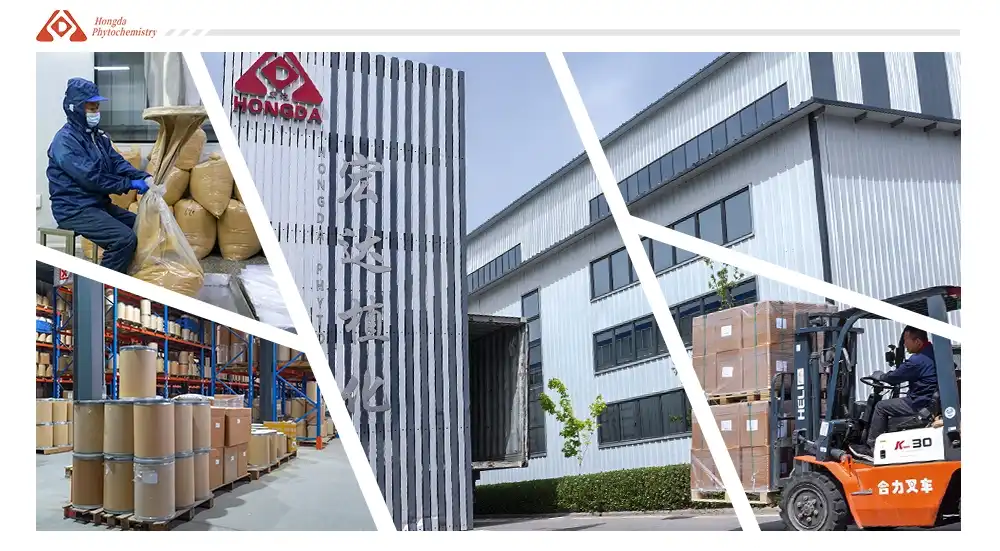
To understand how prices are set, you have to look at more than just per-kilogram rates. Ask for full quotes that break down the costs of the raw materials, the fees for making and processing them, the costs of quality tests, and the Packaging requirements. The standard way to pack 12 kg drums is with 27 drums on a pallet, but unique packaging choices may change the unit economy. Transportation costs vary a lot depending on the type of shipping (air freight for pressing orders vs. ocean freight for regular restocking) and the rules at the target market that affect the need to clear customs. Minimum order numbers usually reflect how production batches work and how inventory is managed. Some sellers need initial MOQs of several hundred kilograms, but well-known companies with a wide range of customers may be willing to take smaller trial orders to make building relationships easier. Talk about pricing systems with different levels based on numbers that reward bigger promises while still allowing for initial quality testing. Payment terms can range from a 30% deposit and the remaining 70% due upon shipment to letter of credit agreements. The terms rely on how risky the seller is and how old the relationship is; newer partnerships usually need more conservative terms until trust is built through consistent transaction history with Liposomal Vitamin C Powder Bulk orders.
Comparing Liposomal Vitamin C Powder With Alternatives: Making the Best Procurement Decision
Bioavailability and Formulation Flexibility Analysis
When choosing an ingredient, absorption measures directly affect how well the final product works and where it fits in the market. Standard ascorbic acid powder costs a lot less per kilogram, but it is absorbed much less well because it is hard for the intestines to move and the kidneys get rid of it quickly. Because it is better absorbed, liposome encapsulation costs more—usually three to five times more than regular vitamin C—but it's worth the extra money because smaller doses can have the same or better healing effects. This cost-effectiveness estimate changes when you think about how customers feel about high-end goods and how much less material is needed per serving. Another important thing to think about is formulation freedom. The powder form works well in processes like filling capsules, pressing tablets, and making dry drink mixes. It's easier to work with than liquid mixtures. Liposomal vitamin C solutions need to be managed in a cold chain and have a shorter shelf life. The powder form, on the other hand, can be stored at room temperature and stays effective for longer periods of time. This practical simplicity lowers both the complexity of production and the risk in the supply chain. This is especially helpful for businesses that sell to customers in different parts of the world with different infrastructures.
Supply Chain Risk Management
The way the market changes has a big effect on the supply of ingredients and the security of prices. Vitamin C raw materials' prices change from time to time because of changes in demand in the pharmaceutical business and limited production capacity in major manufacturing areas. Liposomal processing adds another layer to the supply chain by getting phospholipids. The quality and origin of the lecithin affect the end product's properties. Diversifying your relationships with suppliers lowers your concentration risk, but it takes strict qualification processes and ongoing quality tracking to make sure that the Liposomal Vitamin C Powder Bulk specifications are the same from all of your suppliers. When making production plans, delivery reliability is very important. Suppliers who offer shipping windows of 3–7 working days from the time an order is approved show that they can handle logistics quickly and effectively. International exports add more factors, such as customs paperwork, following import rules, and possible checks by regulators. Partnering with providers that run public foreign warehouses in key markets, like North America and Europe, cuts wait times by a large amount and makes the import process easier for regional delivery operations.
Step-by-Step Guide to Sourcing Bulk Liposomal Vitamin C Powder Wholesale
Defining Specifications and Volume Requirements
Set clear technical requirements that are in line with product development goals as the first step in planning your procurement. Figure out the amount of vitamin C you need (most products have between 50 and 55%), the particle size range, the encapsulation efficiency limits, and any specific organoleptic qualities that apply to the format of your final product. Write down the legal requirements that your target markets need, such as allergy statements, GMO status, and specific licensing needs. This clear standard makes it possible to accurately screen suppliers and avoid misalignment during the bargaining stages. Volume forecasting should account for both the beginning production needs and the expected times for growth. Figure out the yearly consumption based on the expected production volumes, serving sizes, and when the product will be released to the market. Keeping a 10-15% backup stock on hand protects against sudden increases in demand and problems with supply, and it keeps your working capital from getting stuck in raw materials. Think about how well the packing units work together. For example, 12 kg drums may work well for large-scale operations but can be hard to handle in smaller batch production settings.
Supplier Identification and Due Diligence
Use a variety of study methods to create a complete shortlist of suppliers. Industry trade shows give you the chance to meet expert staff and do face-to-face evaluations. Online business-to-business (B2B) sites let buyers see a lot of suppliers, but claimed skills need to be carefully checked. Referrals from people in the same field usually lead to choices that have already been checked out and shown to be reliable. Choose sellers who have experience making nutraceutical ingredients instead of general chemistry distributors who don't know much about the subject. Do your research carefully before agreeing to sample offers. Use governmental databases to check the state of your business's registration, manufacturing licenses, and certifications. Ask clients for recommendations and do discreet checks on people's reputations in your business. Check to see if a seller is financially stable by looking at their credit record or trade references. Suppliers who are having money problems can affect the supply chain. Test their conversation skills and technical knowledge during the first few questions you ask, as these exchanges give you a sneak peek into how the relationship will develop over time.
Sample Testing and Quality Validation
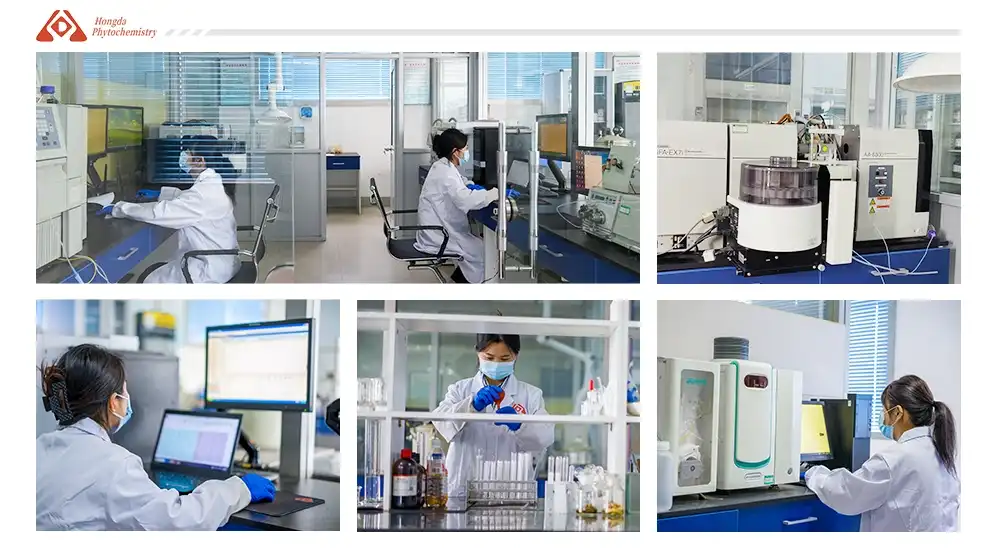
The most important validation step before a big commitment to liposomal ingredients wholesale is the sample evaluation. Ask for samples from several qualified sellers so that you can compare them. Do a full lab test at a third-party facility, checking for things like accurate vitamin C content, effective encapsulation, particle size distribution, bacterial contamination, heavy metals, and leftover solvents. Check to see if the analytical results match the certificates of analysis provided by the seller to make sure that the delivered Liposomal Vitamin C Powder Bulk specifications match the ones that were promised. Beyond analytical testing, you should also look at the useful properties of the mixture. Check how the powder mixes with other ingredients in the formula, how it behaves when reconstituted in the right liquids, and how stable it will be under the conditions you expect it to be stored. Before going to business numbers, do small-scale test production runs to find any processing problems that might come up. Systematically record all testing procedures and outcomes to meet regulatory filing requirements and set quality standards for programs that check new materials.
Contract Negotiation and Relationship Development
Negotiations that go well strike a balance between business goals and building relationships. Structure deals that cover things like price (fixed vs. index-linked), volume promises, quality standards with acceptance criteria, delivery schedules, payment terms, and ways to settle disagreements. Include clauses that allow changes to specifications as formulas change and capacity reservation clauses for when you expect volume to grow. Make it clear who owns the intellectual property for any custom recipe development that you do together. Through careful relationship management, you can move from buying things one-time to forming smart partnerships. Set up regular reviews of the business to talk about success measures, market trends, and ways that everyone can work together to make things better. Keep the lines of communication open about expected demand and any problems that could affect either side. When suppliers see clients as strategic partners instead of just buyers of goods, they are more flexible in tough market conditions and put capacity sharing first when supplies are low.
Best Practices and Considerations for Bulk Procurement of Liposomal Vitamin C Powder
Following the rules for storage and handling is important for keeping the purity of the product throughout the supply chain. Liposomal Vitamin C Powder Bulk is hygroscopic, which means it needs to be kept away from wetness to keep it from sticking and breaking down. The three-year shelf life requirement says that warehouses should keep temperatures at or below 20°C and relative humidity below 60%. Use first-in, first-out (FIFO) inventory movement and set up batch traceability systems to quickly respond to quality problems or regulatory questions. Strategies for supply chain robustness protect against the risk of failure. Dual-source key factors when you can, making sure that the depth of your relationships and the spread of your risks are both balanced. Keep a strategic safety stock of enough important goods to last for two to three months. You can change the levels of stock based on how reliable your suppliers have been in the past and how long lead times vary. Create backup plans that list other suppliers who have already been pre-qualified through basic evaluation. This way, if the main suppliers experience capacity or quality issues, the backup plans can be activated quickly.
Conclusion
In conclusion, to find high-quality Liposomal Vitamin C Powder Bulk, you need to do a full review of the technical specs, the supplier's qualifications, and the logistics of the supply chain. Procurement strategies that work well combine the higher bioavailability benefits with higher prices by doing a thorough cost-effectiveness analysis that is in line with the marketing goals of the product. Prioritising providers with strong certification portfolios, advanced manufacturing skills, and quick technical support sets the stage for long-term relationship success. Because nanoencapsulation technology is so complicated and there are rules that must be followed, choosing a seller is a strategic choice that affects more than just buying things. It also affects how well the product works, how it stands out in the market, and how much trust consumers have in the brand. When business-to-business sellers spend time carefully screening suppliers, making sure the quality is high, and building relationships with them, they give their companies a long-term competitive edge in the nutrition and functional food markets, which are growing quickly.
FAQ
Is liposomal vitamin C powder safe for nutraceutical applications?
When made under cGMP conditions, Liposomal Vitamin C Powder Bulk from certified producers has a very good safety rating. The encapsulation method gets rid of the stomach irritation that comes with big doses of regular ascorbic acid, so it can be used by sensitive people. To make sure products are safe, sellers must show that they follow strict testing procedures that check for microbiological contamination, heavy metals, and liquids that are still present. Following the rules set by the FDA and getting ISO certifications is another way to make sure that the manufacturing process meets global safety standards that apply to nutritional uses.
How does absorption compare between liposomal and regular vitamin C?
According to research, liposomal delivery gets about 85–90% bioavailability, while standard ascorbic acid at the same amounts only absorbs 15-20% of its contents. The phospholipid coating lets vitamin C get around the problems with transfer in the intestines and go straight into the bloodstream through mucosal absorption routes. This means that the drug is absorbed 5–6 times better, which means that smaller doses are needed to reach therapeutic plasma values. The practical importance is especially clear in uses that aim to boost the immune system, make collagen, and protect cells from damage caused by free radicals, where steady blood levels are very important.
What minimum order quantities should buyers expect?
MOQ standards change based on how much a company can offer and where the market stands. Manufacturers who have been around for a while and have a wide range of clients may be able to take initial trial orders of 100 to 200 kg to help with quality control and building relationships. Standard batch economics usually say that MOQs of 500 kg or more are best for getting the best unit prices. Buyers can talk about volume-tiered systems that reward bigger promises while still giving them options for the early stages of the relationship. Higher starting minimums are often needed for custom formulation projects because they require more money for research and development (R&D) and special production setup costs.
Partner With Hongda for Premium Liposomal Vitamin C Powder Bulk Supply
Shaanxi Hongda Phytochemistry has been making natural plant extracts for more than 20 years and has state-of-the-art buildings that cover 20,000 square meters and have liposomal manufacturing lines just for them. Our Liposomal Vitamin C Powder Bulk is encapsulated 85–90% of the time using modern microfluidization technology. This gives it better bioavailability for use in medicinal, nutraceutical, and skincare products. We offer a full quality guarantee that meets the highest international standards as a qualified provider with FDA registration, cGMP certification, ISO 22000, HALAL, KOSHER, and ORGANIC credentials. Our R&D team of 20+ Ph.D.-level scientists can help with custom formulations, and our public foreign warehouse status means that we can send quickly to markets in North America and Europe (3–7 days). Email our procurement experts at duke@hongdaherb.com to talk about your volume needs, get technical specs, or set up a review of a sample for your next product development project.
References
1. Hickey, S., Roberts, H.J., and Miller, N.J. (2008). "Pharmacokinetics of oral vitamin C." Journal of Nutritional & Environmental Medicine, 17(3), 169-177.
2. Davis, J.L., Paris, H.L., Beals, J.W., et al. (2016). "Liposomal-encapsulated Ascorbic Acid: Influence on Vitamin C Bioavailability and Capacity to Protect Against Ischemia-Reperfusion Injury." Nutrition and Metabolic Insights, 9, 25-30.
3. Gopi, S., and Balakrishnan, P. (2021). "Evaluation and clinical comparison studies on liposomal and non-liposomal ascorbic acid and their enhanced bioavailability." Journal of Liposome Research, 31(4), 356-364.
4. Łukawski, M., Dałek, P., Borowik, T., et al. (2020). "New oral liposomal vitamin C formulation: properties and bioavailability." Journal of Liposome Research, 30(3), 227-234.
5. Carr, A.C., and Maggini, S. (2017). "Vitamin C and Immune Function." Nutrients, 9(11), 1211.
6. Padayatty, S.J., and Levine, M. (2016). "Vitamin C: the known and the unknown and Goldilocks." Oral Diseases, 22(6), 463-493.