How To Consume Creatine Monohydrate Powder?
2025-08-30 15:34:12
Creatine monohydrate has become an increasingly popular sports supplement over the past few decades. As a naturally occurring compound that helps supply energy to cells in the body, creatine plays an important role in activities that require quick bursts of effort, like weight lifting or sprinting. Supplementing with creatine monohydrate powder can enhance sports performance, help build muscle, and improve recovery. This article provides an in-depth overview of creatine monohydrate, including how it works in the body, proper dosage and timing, mixing and consumption methods, combining it with other supplements, expected performance benefits, potential side effects, and considerations for specific populations looking to supplement with creatine.
Understanding Creatine Monohydrate
Creatine is a molecule produced naturally in the human body that helps supply energy to cells, particularly muscle cells that require quick bursts of effort. It plays a key role in the phosphagen or ATP-PC energy system used for high-intensity exercise with an anaerobic power output. Creatine binds with phosphate to form phosphocreatine (PCr), which helps create an immediately available reserve of potential energy. When energy demands increase rapidly during exercise like weight lifting, sprinting or sports with intermittent maximal effort, phosphocreatine donates its phosphate group to ADP to form ATP, the primary energy molecule muscles use for contraction. By increasing available phosphocreatine reserves, supplemental creatine in the form of creatine monohydrate increases the muscles' capacity to regenerate ATP energy quickly. Human studies demonstrate creatine supplementation can significantly raise muscle creatine levels by 10-40%, allowing improvements in high-intensity exercise capacity, muscle strength, power output, and lean body mass from resistance training programs.

Performance-Enhancing Effects
Through a number of proposed mechanisms, creatine has been shown in dozens of studies to provide ergogenic and performance-enhancing effects, particularly for short-duration, high intensity anaerobic activities. By expanding phosphocreatine stores, creatine augments power output and delays neuromuscular fatigue by enhancing the muscles' ability to resynthesize ATP. Some research also suggests creatine may facilitate greater gains in lean muscle mass and strength when combined with resistance training by drawing more water into muscle cells and stimulating protein synthesis. The performance benefits of creatine supplementation appear most pronounced during intermittent sprint activities or multiple bouts of brief, yet intense exercise. Numerous studies demonstrate creatine improves performance in strength and power events like Olympic weight lifting, sprints, jumping, shot put, and intervals on the bike. However, effects may be more modest for endurance athletes competing in marathons, distance cycling, or long-duration swimming races.
Muscle Growth and Recovery Effects
In addition to the performance-enhancing benefits discussed above, creatine may also augment training adaptations like increased skeletal muscle hypertrophy and strength. A 2013 meta-analysis in the Journal of the International Society of Sports Nutrition examined over 80 studies assessing the effects of creatine supplementation in conjunction with resistance training programs. Results showed creatine use significantly increased lean body mass gains by an average of 2.2 pounds over placebo groups not taking creatine over an average of 6 weeks. Greater strength improvements of approximately 5-15% were also reported across exercises like the bench press, squat and deadlift. The enhanced training responses from creatine supplementation appear to stem from drawing additional water into muscle cells, regulating anabolic signaling pathways, increasing satellite cell activation, and reducing protein breakdown. Multiple studies also report subjects supplementing with creatine experience less muscle damage and oxidative stress following intense resistance training sessions. Creatine may help buffer inflammation and muscle soreness after strenuous exercise, enabling athletes to recover faster.

Proper Dosing Guidelines
Most research on Creatine Monohydrate Powder supports a "loading protocol" when beginning supplementation to rapidly saturate muscle stores, followed by a lower daily maintenance dose. A creatine loading phase consists of consuming relatively high doses of 0.3 grams per kilogram of body weight per day split into 4 daily doses of 5 grams each (about 20-25 grams total per day) for 5-7 days. This saturates muscle creatine concentrations, with average increases of 10-40% reported depending on the individual's initial levels. Muscle creatine content can elevate further with longer loading periods, but the marginal returns tend to diminish after the first week. After this loading phase, a maintenance dose of 3-5 grams per day is suggested. Cycling on and off creatine for 8-12 week periods can help maintain positive effects. The goal of the loading protocol is to increase muscle creatine levels quickly so ergogenic effects are realized sooner, while the lower maintenance dose sustains elevated creatine content. Consuming creatine shortly after training may enhance uptake into muscle cells when insulin levels are naturally elevated post-exercise, but the timing is not completely necessary. Athletes can experiment to find the supplementation and cycling protocol that works best for them.
Mixing and Consumption Recommendations
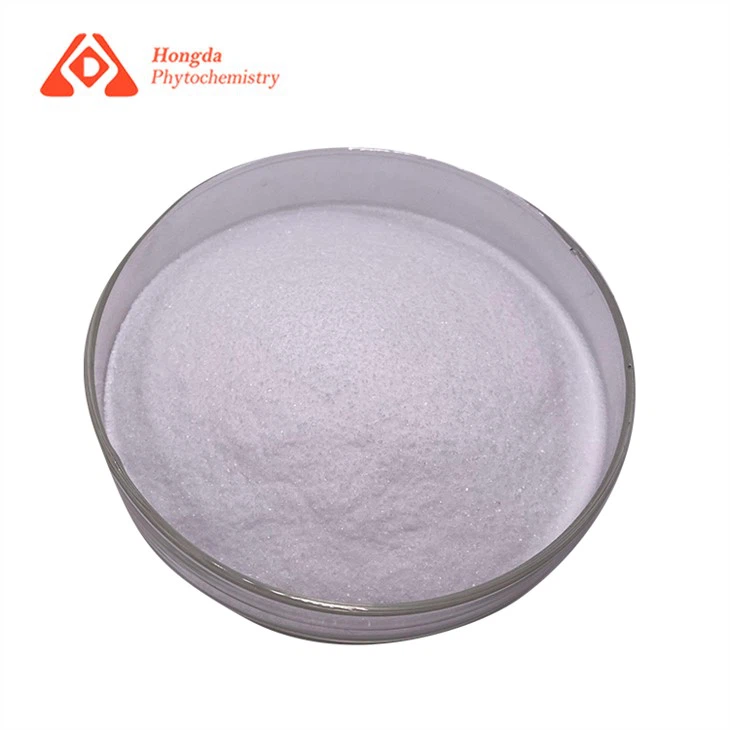
Creatine monohydrate is most commonly sold and consumed as a white, crystalline powder. This powder dissolves readily in water into an odorless and fairly tasteless solution. Simply stirring or shaking 5 grams of creatine powder in 8-12 ounces of water ensures it mixes smoothly. Consuming higher volumes of water prevents potential side effects like dehydration, muscle cramping or diarrhea some users report with creatine supplementation, especially during initial loading doses. The powder should dissolve completely so it can be consumed without chewing gritty particles and efficiently absorbed. Beyond water, some athletes opt to take creatine powder with fruit or vegetable juices to improve palatability. The mild flavor of creatine blends well with most juices. Mixing creatine into a post-workout protein shake also offers a convenient method for athletes looking to supplement protein and creatine simultaneously. Additionally, pill and capsule forms of Creatine Monohydrate Powder are available for those who prefer not swallowing a drink mix. However, capsules require taking several at once to equal one serving.

Combining Creatine with Other Supplements
As a popular supplement among athletes and recreational fitness enthusiasts alike, numerous questions arise regarding combining creatine with other common sports supplements like caffeine, beta-alanine, branched-chain amino acids (BCAAs), or nitrate. Though research is still evolving in these areas, creatine appears complementary with most supplements, yielding additive benefits. Caffeine may impair creatine transport slightly, but combining reasonable doses of both can still enhance adaptations to resistance training. Simultaneous supplementation of creatine and beta-alanine, an intracellular buffer against lactic acid during high-intensity anaerobic exercise, seems to produce further performance benefits compared to either alone. BCAAs may also exhibit synergistic effects with creatine, attenuating muscle protein breakdown following exercise. However, no clinically significant interactions between creatine and nitrate have been reported. Athletes with further questions around combining creatine with other supplements should consult a sports dietitian.
Expected Effects on Exercise Performance
What effects can athletes realistically expect to experience when supplementing with creatine for the first time? As previously discussed, introducing Creatine Monohydrate Powder markedly increases intramuscular phosphocreatine stores and augments the body's capacity for ATP energy regeneration. These cellular adaptations translate to tangible performance improvements athletes can feel, particularly during brief, high-power movements. Supplementing creatine for just 5-7 days enables athletes to complete more repetitions during a single set of high-load resistance training. Over a few weeks, users experience less neuromuscular fatigue during repeated sprint bouts or intervals of all-out effort, like repeatedly spiking a volleyball or running suicides on the basketball court. Similarly, boxers can throw rounds of punch combinations with greater speed and power before tiring. Football players may find themselves pushing opponents backwards more easily, and sprinters crossing the finish line faster when running distances up to 400 meters with creatine supplementation. In essence, creatine heightens physical preparedness for explosive movements, though some individuals experience pronounced effects while others notice smaller gains.
Potential Side Effects and Safety Considerations
When taken appropriately under recommended guidelines, research consisting of hundreds of studies demonstrates creatine is exceptionally safe for most healthy, athletic populations with few side effects. However, there are some precautions athletes should keep in mind. Because creatine supplementation increases fluid uptake into muscle cells, maintaining adequate daily hydration becomes particularly important, especially when adhering to the initial loading protocol. Insufficient water intake paired with high-dose creatine has occasionally been implicated in complications like dehydration, muscle cramping, strains or tears. Users should stick to suggested dosing guidelines and increase water consumption to a minimum of one-half gallon daily while supplementing creatine to avoid these symptoms. Rare reports exist of kidney dysfunction among creatine users, prompting concern, but human studies show proper creatine supplementation does not negatively impact kidney function in healthy individuals. Nonetheless, those with preexisting kidney conditions should exercise caution with creatine. Certain medications like nonsteroidal anti-inflammatory drugs (NSAIDs) may also interact with creatine, warranting consideration.
Considerations for Women, Adolescents and Vegetarians Contemplating Creatine
Key Takeaways
Supplementing with creatine monohydrate can provide multi-faceted performance-enhancing effects, improve training adaptations like increased lean mass and strength, and accelerate post-workout recovery. Following the evidence-based dosing protocols, mixing guidelines, and timing considerations explored above can help all types of athletes - ranging from weekend warriors to elite competitors - maximize results from creatine supplementation while minimizing side effects. However, individuals are always advised to consult a sports medicine physician or registered dietitian before starting any new supplement, especially populations like adolescents or those with underlying medical conditions. While generally quite safe when taken appropriately under supervision, there are always precautions to keep in mind. Tracking progress while adhering to suggested creatine guidelines can help determine if continued use provides ongoing exercise performance and physique benefits or if cycling off is warranted. Further research continues to emerge and will clarify the efficacy surrounding creatine supplementation.
Hongda Phytochemistry Co., Ltd. provides the advantage of direct production, offering customized production and Packaging services tailored to meet our clients' specific needs. Additionally, we are pleased to offer free samples of our products to interested parties. Furthermore, our newly established capsule production workshop enables us to customize capsule products, adding to our diverse range of offerings.
As a company dedicated to global engagement, we have a strong presence at various international Exhibitions such as the European CPHI, European International Vitafoods, European Food Ingredients Exhibition FIE, Functional Food and Healthy Food Exhibition FFFI, American SSE, and more. This demonstrates our commitment to staying abreast of industry trends and fostering valuable connections worldwide.
One of our featured products, the Creatine Monohydrate Powder Bulk, is not only of high quality but also affordable. For further details on this product or any other inquiries, please do not hesitate to get in touch with us at duke@hongdaherb.com. We are dedicated to providing excellent solutions and look forward to the opportunity to serve you.
References:
1. Cooper, R., F. Naclerio, J. Allgrove, and A. Jimenez Creatine supplementation with explicit view to work out/sports execution: an update. Diary of the Worldwide Society of Sports Sustenance, 9(1), 33.
2. Kalman, D.S., R.B. Kreider, J. Antonio, T.N. Ziegenfuss, R. Wildman, R. Collins, and others ( 2017). Worldwide Society of Sports Nourishment position stand: wellbeing and adequacy of creatine supplementation in exercise, game, and medication. Diary of the Global Society of Sports Nourishment, 14(1), 18.
3. Lanhers, C., Pereira, B., Naughton, G., Trousselard, M., Lesage, F.X., and Dutheil, F. (2017). Creatine Supplementation and Lower Appendage Strength Execution: A Meta-Analysis and Systematic Review 47(7): 1285-1294, Sports Medicine.
4. Cooper, R., Naclerio, F., Allgrove, J., Larumbe-Zabala, E., Sincere, C., and Jimenez, A. (2014). With foundational exercise training, a multi-ingredient supplement with adaptogens and antioxidants lowers perceived levels of stress: A fake treatment controlled, twofold visually impaired study. 11(1), International Society for Sports Nutrition Journal.