



How to Choose a Reliable Liposomal Iron Powder Manufacturer for Bulk Supply and OEM Projects?
2026-11-13 15:28:32
What is liposomal iron powder, and why are so many supplement firms now approaching me about it? Liposomal iron powder is iron that is put within microscopic spheres made of phospholipids and then dried into a powder that formulators may put into capsules, tablets, and drink mixes. The wrap is to keep the iron safe while it goes through digestion and make it easier for the body to absorb. This article will explain what the substance is, where it is used, what advantages a business can build upon, and how to purchase it intelligently from a reliable source.
Liposomal Iron Powder Explained: What Sits Inside the Vesicle
Heme Iron Meets a Phospholipid Shell
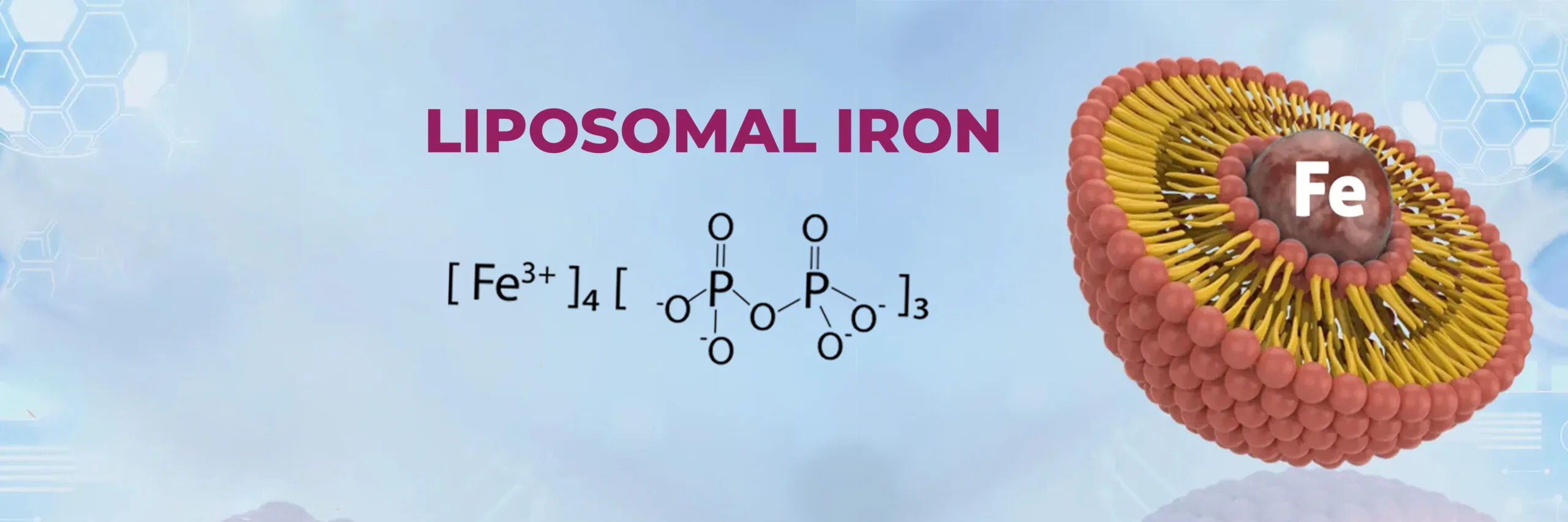
Open a Hongda drum of liposomal iron powder, and what you are holding is heme iron polypeptide from pig hemoglobin encapsulated in a bilayer of non-GMO phospholipids. CAS Number 334-50-9. Concentration: The product site states the standard iron content (50% validated by HPLC), off-white to light yellow fine powder, and CAS number 334-50-9. Custom concentrations may be requested. Heme iron is the type the body already knows from meat, and the phospholipid shell resembles the membranes of our own cells. And that is why a professional liposomal iron powder maker regards the vesicle as the actual product, not simply a covering. When you’re evaluating a liposomal iron powder provider, ask what iron source is within the shell, since the source influences everything from color and flavor to dietary appropriateness and label phrasing.
Why It Behaves Differently from Ferrous Sulfate
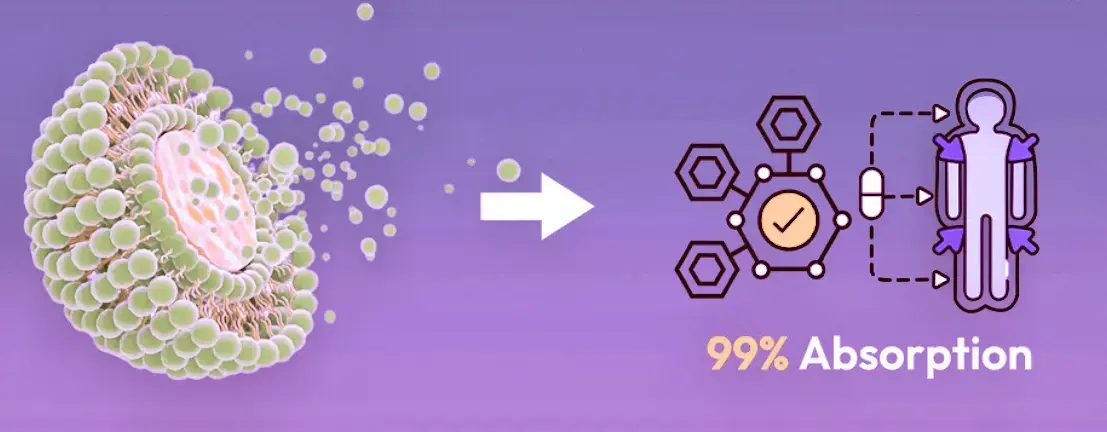
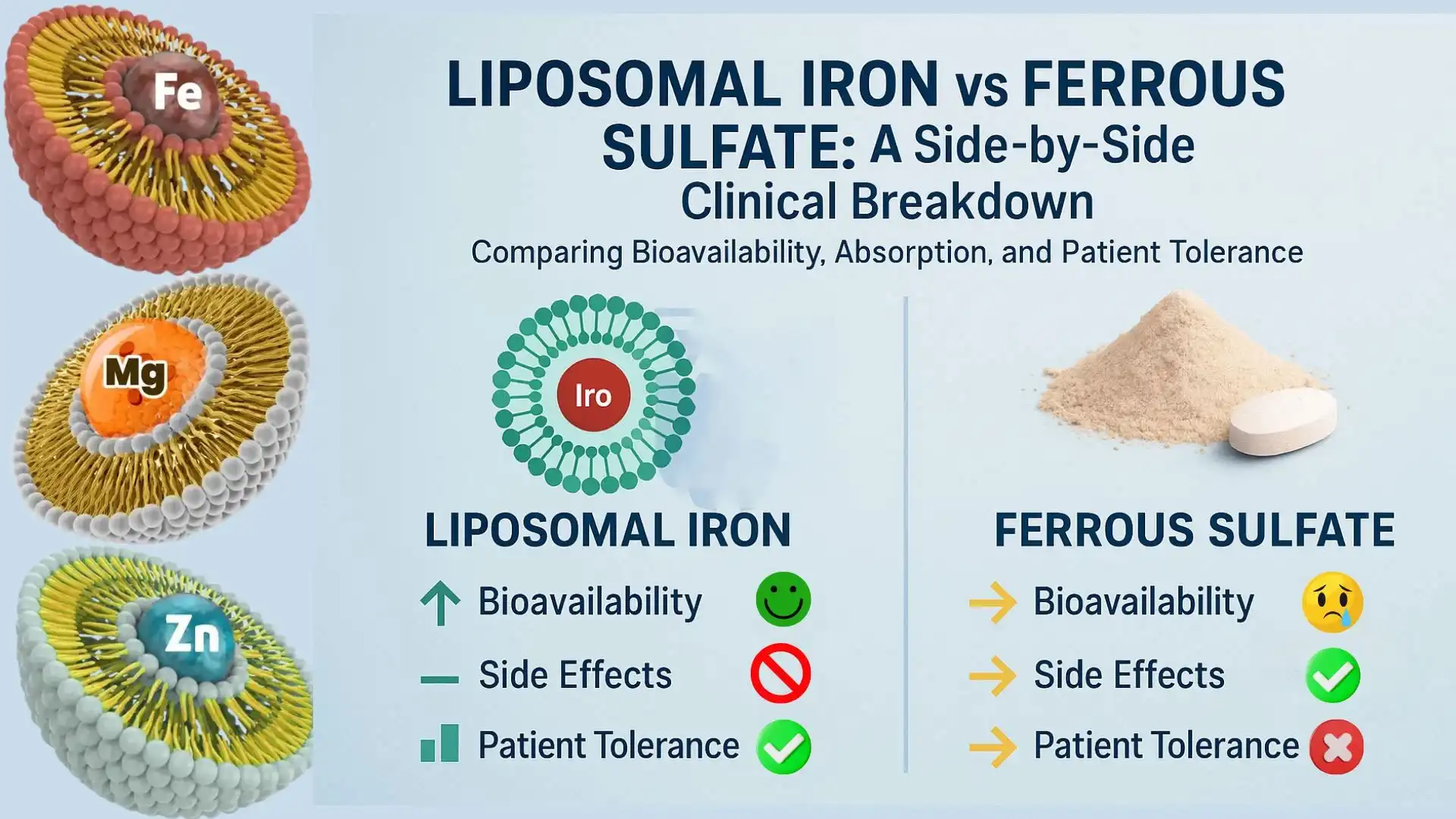
The typical iron salts, ferrous sulfate, fumarate and gluconate, principally depend on a transporter called DMT1, and absorption is often mentioned in nutrition research as a moderate range, generally 5 to 15 percent, since ordinary dietary elements may interfere. Hongda’s liposomal iron powder, it says, has a distinct route via the HCP1 transporter and via endocytosis, and claims absorption five- to ten-times that of ferrous sulfate. Note that number is supplier-reported, not independently validated; ask any liposomal iron powder producer making a similar claim for the statistics to back it up. A trustworthy vendor of liposomal iron powder will differentiate what is known in the literature from what is positioning. Still, the mechanism explains the buzz. A better distribution method might imply fewer portions and a more variable recipe.
How the Powder Is Made, Step by Step
This is where a liposomal iron powder maker shows its skill: production. Hongda details six stages: screening the raw material of porcine hemoglobin, preparing non-GMO phospholipids at low temperature, forming vesicles of 100 to 250 nanometers by thin-film hydration and extrusion, spray drying below 60 degrees Celsius, batch testing, and packing in a 100,000-level cleanroom. Batch testing includes particle size by dynamic light scattering, encapsulation efficiency, and microbiological tests. Each step preserves the vesicle. This is why a reliable liposomal iron powder provider is upfront with procedure details instead of hiding behind a brochure. The resulting liposomal iron powder is water dispersible and stable in the pH range of 1.2 to 7.4, which is ideal for the transit from the stomach to the intestine. Below is the spec from the product page in the table so you may compare different offers against it.
Table 1. Hongda Liposomal Iron Powder Specification Snapshot
|
Parameter
|
Specification
|
|---|---|
|
Iron source
|
Heme iron polypeptide (porcine hemoglobin)
|
|
Iron content
|
50% (HPLC), custom levels on request
|
|
Appearance
|
Off-white to light yellow fine powder
|
|
CAS number
|
334-50-9
|
|
Carrier
|
Non-GMO phospholipids
|
|
Vesicle size
|
Mean 100–250 nm
|
|
Encapsulation efficiency
|
≥85%
|
|
Dispersibility
|
Water-dispersible, stable at pH 1.2–7.4
|
|
Shelf life
|
24 months
|
|
Packaging
|
12 kg fiber drum, 27 drums per tray
|
|
Delivery
|
3–7 working days
|
Source: Hongda Phytochemistry liposomal iron powder product page.
Where Liposomal Iron Powder Earns Its Keep
Clinical Nutraceuticals and Iron-Support Programs
Hongda markets its liposomal iron powder mainly to clinical nutraceuticals, which are goods for those who need to have their iron intake closely monitored, such as those with iron deficiency or digestive issues who are under medical supervision. For brands in this area, they need an ingredient that is documented, consistent and simple to defend in front of regulators and healthcare partners. That is why a professional liposomal iron powder manufacturer gives batch-specific certificates of analysis, safety data sheets and specification documents with every order. When you shortlist a liposomal iron powder provider for this sector, verify that the hematin iron content is validated by HPLC and that reports come from an independent laboratory. With proper documentation, your team can create thoughtful, compliant claims and address queries from pharmacists or distributors without rushing for proof. Reliable liposomal iron powder makes a delicate category manageable.
Sports Nutrition and Prenatal Formulas
Two growth pockets stand out – sports nutrition and prenatal supplements. Hard training means athletes lose iron, so they want formulae that fit in their hectic habits. Expecting women want reliable prenatal mixes from companies they trust. Both are listed as key applications on the product site, which also includes European, North American, Asian, Vietnamese and Swiss markets among its consumers. A flexible liposomal iron powder maker can adjust concentration and Packaging for each section, and a smart liposomal iron powder provider will describe how the ingredient works with vitamin C, B vitamins or folate in a multi-nutrient design. Liposomal iron powder disperses in water, so it also works in ready-to-mix sachets that fit in a workout bag. Remind consumers to follow label guidelines and expert guidance on daily consumption.

Formats: Capsules, Tablets, Suspensions, and Instant Mixes
One of its biggest selling points is format versatility. Hongda says the powder is suitable for liquid suspensions, tablets, and hard capsules, and its OEM choices include soft capsules, pills, premixed powders, and instant powders. That breadth allows a business to offer a capsule today and a drink mix next season from one trusted supplier. When briefing a liposomal iron powder producer, define what the completed format will be early in the process, since particle behavior, moisture restrictions, and processing temperature (Hongda suggests keeping it below 60 degrees Celsius) all rely on it. A reputable liposomal iron powder provider would propose a trial batch and ask about compatibility before scaling up. If you already know your goal format, please email the specifics to duke@hongdaherb.com, and the Hongda staff will provide an appropriate liposomal iron powder specification, a sample plan, and a delivery schedule.
The Benefits That Make Brands Say YesAn Absorption Story Buyers Can Explain
Customers don’t purchase chemistry. They buy a one-syllable tale they can repeat. For liposomal iron powder, that tale is shielded delivery: heme iron inside a phospholipid vesicle, engineered to survive the more violent portions of digestion. I read on Hongda's product site that this is greater absorption than normal salts via HCP1 and endocytosis rather than DMT1. Smart marketers use it to provide simpler, more efficient servings, not bloated promises. A reputable liposomal iron powder producer will provide language suggestions that keep within requirements. A transparent liposomal iron powder supplier will explicitly designate which numbers are from published literature and which are from internal testing. The accompanying comparison puts the two techniques side-by-side, so your team can understand where the actual differences are.
Table 2. Conventional Iron Salts vs. Hongda Liposomal Iron Powder
|
Feature
|
Conventional Iron Salts
|
Hongda Liposomal Iron Powder
|
|---|---|---|
|
Main absorption route
|
DMT1 transporter
|
HCP1 and endocytosis (supplier-stated)
|
|
Commonly cited absorption
|
Roughly 5–15%
|
5–10 times ferrous sulfate (supplier-stated)
|
|
Dietary interference
|
Polyphenols, phytates, tannins, and calcium can reduce uptake
|
Stated not to be blocked by these compounds
|
|
Physical form
|
Crystalline salts
|
Water-dispersible vesicle powder
|
|
Stability range
|
Varies by salt
|
Stable at pH 1.2–7.4
|
Sources: Hongda Phytochemistry product page; Hurrell and Egli, American Journal of Clinical Nutrition, 2010.
Fewer Dietary Roadblocks
Iron may be blocked by everyday eating. Polyphenols in tea and coffee, phytates in cereals, tannins, and calcium are usually blamed for traditional salts. Hongda says the phospholipid layer of Hongda’s liposomal iron powder prevents these substances from blocking the iron, making the product simpler to work into normal eating habits. That’s a helpful position for consumer education, as people don’t generally plan their meals around supplements. Ask your liposomal iron powder manufacturer for any internal data supporting this assertion. Ask your liposomal iron powder provider how the claim should be phrased on labels and websites. A creative interplay of ingredients with vitamin C or folate might provide more substance to the product narrative, while maintaining a simple and digestible recipe for buyers.
Clean Label, Stability, and Oxidation Control
Clean label is key nowadays; buyers are checking ingredient lists. Hongda’s liposomal iron powder supplier is made with non-GMO phospholipids and claims to be halal, kosher, and organic (EU and NOP) certified on the product site, with the substance described as meeting USP and EP criteria. Iron may accelerate the oxidation of lipids; hence, a quality maker of liposomal iron powder checks the peroxide value throughout manufacturing, which Hongda says it does. Storage advice is easy – store powder in original pack in a cool, dry place out of direct light, preferably below 25 degrees Celsius, and it will last for 24 months. When comparing any liposomal iron powder provider, ask for stability data and peroxide findings. A fresh, stable powder preserves your reputation and repeat purchases.
A Practical Buying Guide for Liposomal Iron Powder
The Specs and Test Reports to Demand
Turn promises into papers before you make a purchase. Hongda says each batch undergoes testing by a third party, either SGS or Eurofins, for particle size and zeta potential, encapsulation effectiveness, heme iron concentration, heavy metals, peroxide value, pesticide residues, and microbiological. Reports are available on request. Use that list as your benchmark for any producer of liposomal iron powder. And beware the numbers: if a vendor of liposomal iron powder lists a particle size in the brochure and a different size in the table of specifications, you want to know which number pertains to the batch you will really get. Clear replies indicate a disciplined operation. The table below translates the testing panel into a checklist that you can copy and paste directly into a supplier questionnaire for your own liposomal iron powder project.
Table 3. Quality Checklist for Liposomal Iron Powder Batches
|
Test
|
Typical Method
|
What It Tells You
|
|---|---|---|
|
Particle size and zeta potential
|
Dynamic light scattering
|
Vesicle uniformity and stability
|
|
Encapsulation efficiency
|
Batch EE% verification
|
How much iron is truly protected
|
|
Heme iron content
|
HPLC
|
Label accuracy and potency
|
|
Heavy metals (Pb, As, Cd, Hg)
|
Atomic absorption / third-party lab
|
Raw-material safety
|
|
Peroxide value
|
Oxidation analysis
|
Freshness and shelf-life quality
|
|
Pesticide residues and microbiology
|
Third-party lab (SGS or Eurofins)
|
Overall purity and hygiene
|
Source: Hongda Phytochemistry liposomal iron powder product page.
Credentials, Plant Scale, and Dietary Fit
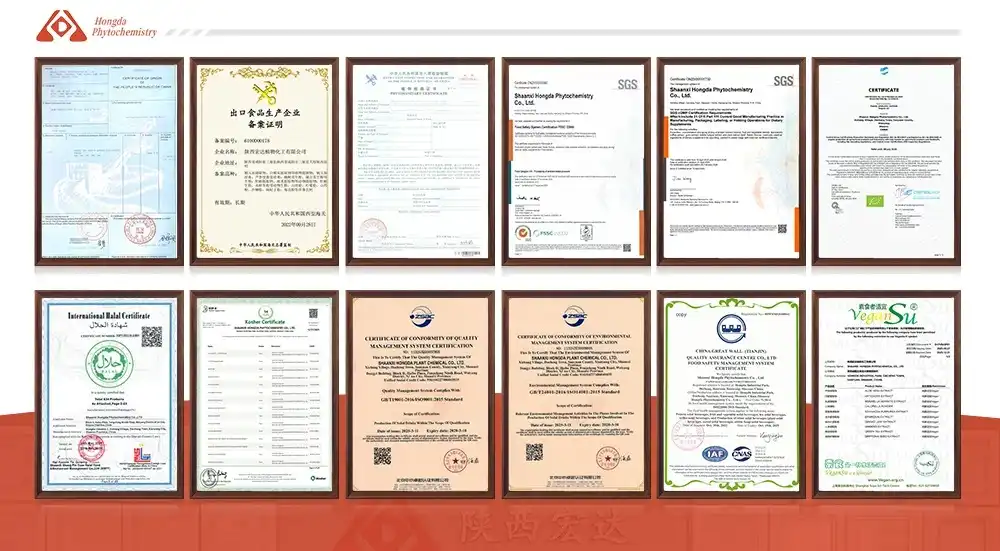
Hongda was established in 2001. The factory covers an area of 20,000 square meters with a purification workshop of 100,000 level. Hongda has an annual production of 3,000 tons. Meanwhile, it is equipped with equipment such as HPLC, GC, UV, and atomic absorption. We have the Certifications: cGMP, FSSC22000, ISO9001, ISO22000, HALAL, KOSHER, and organic clearance. These facts will assist you in assessing whether the liposomal iron powder producer has its own manufacturing or just resells. Dietary fit requires equal attention: Since the iron originates from swine hemoglobin, this liposomal iron powder is suitable for halal and kosher positions but not for vegan goods. A candid liposomal iron powder provider will tell you this up front, so you can match the ingredient to the proper client group instead of finding a mismatch after launch.
Samples, Packaging, Lead Time, and OEM Support
The launch is still on track, subject to the practical logistics. Hongda provides free samples of 20-100g, inner PE bag in an aluminum foil bag or box. Hongda supplies bulk liposomal iron powder in 12kg fiber drums with double-layer PE bags, 27drums per tray. Delivery is quoted as three to seven working days, and order sizes are said to be flexible for both samples and bulk. We provide private label and OEM or ODM services and can provide COA, MSDS, and specification documents. When contacting a liposomal iron powder producer, ask about minimum order, lead time for bespoke grades, and who handles export documentation. The best liposomal iron powder provider responds to you in writing, which means your launch strategy is feasible from the initial inquiry to the final delivery.
Conclusion
Liposomal iron powder is an ingenious solution for marketers to create iron-support products. Heme iron in a non-GMO phospholipid shell, water-dispersible and adaptable in use across capsules, tablets, and drink mixes. The responsibility is with the supplier to deliver. Judge all proposals on the basis of clear specifications, third-party test results, believable certificates, and truthful dietary labeling. Shaanxi Hongda has been a professional manufacturer of natural extracts since 2001. We have a cGMP plant with an SGS-certified laboratory, and can provide customizable services and 24-hour client support. Try it. Test it in your own formula. Make a data-led decision. We have more than 400 goods, and not all are on our website. If you can’t find what you need, email us at duke@hongdaherb.com.
FAQ1. What is liposomal iron powder?
It is iron, here heme iron polypeptide, encapsulated in phospholipid vesicles and dried into a water-dispersible powder.
2. What iron content does Hongda list?
The standard grade is 50% iron confirmed by HPLC, with custom concentrations available.
3. Is it suitable for vegan products?
No. The iron comes from porcine hemoglobin, although the product is halal- and kosher-approved.
4. How long is the shelf life?
The shelf life is 24 months when stored cool, dry, and away from direct light.
5. Can I get a sample first?
Yes. Hongda offers free samples of 20 to 100 grams for testing.
Ready to Partner with Hongda for Liposomal Iron Powder?
You now know what to look for, so the next move is yours. Hongda Phytochemistry supplies liposomal iron powder with a standard 50% iron content, third-party batch testing, cGMP production, an SGS-certified laboratory, and private label support from a team available around the clock. Whether you want a free sample, a custom concentration, or a full OEM program for capsules, tablets, or instant mixes, we will build it around your market. Email duke@hongdaherb.com today to request specifications, a certificate of analysis, a quotation, and a delivery plan, and let Hongda help you launch an iron-support product your customers will return to.
References
1. Camaschella C. Iron-deficiency anemia. New England Journal of Medicine. 2015;372(19):1832–1843.
2. Pisani A, Riccio E, Sabbatini M, Andreucci M, Del Rio A, Visciano B. Effect of oral liposomal iron versus intravenous iron for treatment of iron deficiency anaemia in CKD patients: a randomized trial. Nephrology Dialysis Transplantation. 2015;30(4):645–652.
3. Hurrell R, Egli I. Iron bioavailability and dietary reference values. American Journal of Clinical Nutrition. 2010;91(5):1461S–1467S.
4. Stoffel NU, Cercamondi CI, Brittenham G, et al. Iron absorption from oral iron supplements given on consecutive versus alternate days and as single morning doses versus twice-daily split dosing in iron-depleted women: two open-label, randomised controlled trials. Lancet Haematology. 2017;4(11):e524–e533.
5. World Health Organization. Guideline: Daily iron supplementation in adult women and adolescent girls. Geneva: World Health Organization; 2016.
6. Abbaspour N, Hurrell R, Kelishadi R. Review on iron and its importance for human health. Journal of Research in Medical Sciences. 2014;19(2):164–174.





YOU MAY LIKE
