How Does Zinc Bisglycinate Enhance the Absorption Rate in Supplement Formulations?
2025-08-15 13:55:04
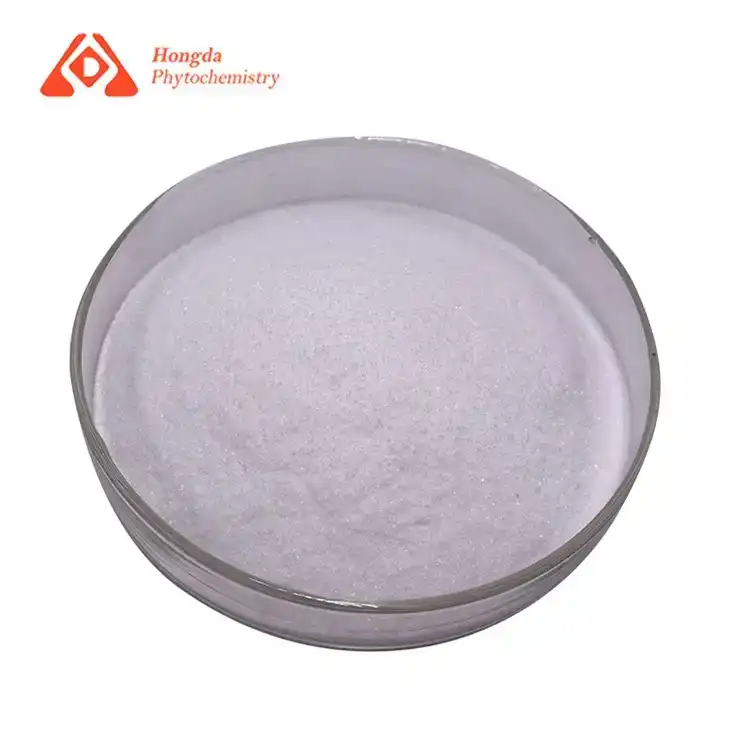
In the competitive world of nutritional supplements, absorption efficiency is paramount for product effectiveness. Zinc Bisglycinate stands out as a superior form of zinc supplementation due to its exceptional bioavailability and absorption rates. Hongda Phytochemistry, a leading manufacturer based in Shaanxi, China, has pioneered advanced techniques for producing high-quality Zinc Glycinate Powder. Shaanxi Hongda Phytochemistry Co., Ltd. specializes in developing premium chelated minerals that maximize nutrient delivery while minimizing the common side effects associated with traditional zinc supplements.

Why is Zinc Bisglycinate more bioavailable than other zinc forms?
The Chelation Advantage in Zinc Absorption
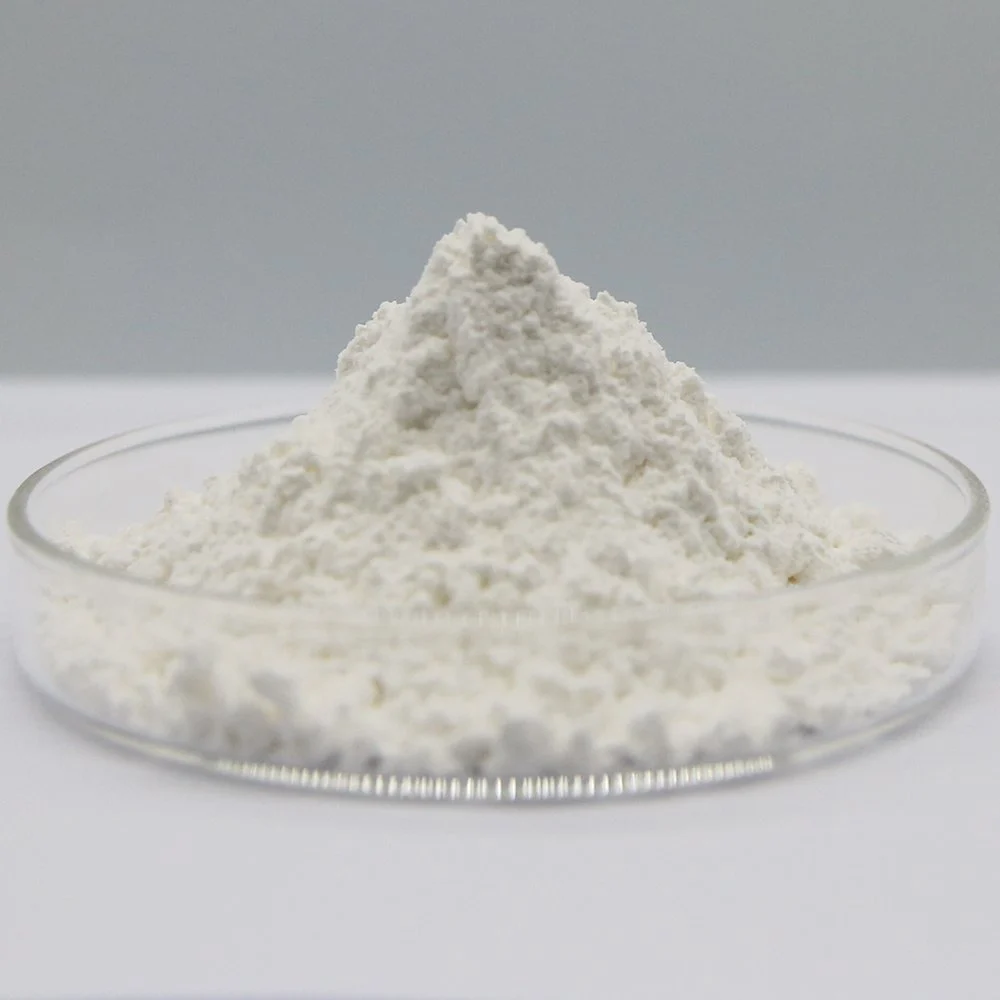
Zinc Bisglycinate offers superior bioavailability due to its unique chelated structure. Unlike conventional zinc supplements, Zinc Glycinate Powder features zinc molecules bonded to two glycine amino acids, creating a stable chelate. This molecular structure prevents zinc from binding with dietary components like phytates and oxalates that typically inhibit absorption. Clinical studies have demonstrated that zinc bisglycinate chelate absorption rates can be up to 43% higher than those of zinc oxide and zinc sulfate. The chelation process effectively shields the zinc from stomach acid degradation, allowing more of the mineral to reach the intestines where it can be absorbed and utilized by the body's cells. Manufacturers seeking bulk zinc bisglycinate for their formulations benefit from this higher efficiency, as it allows for potentially lower dosages while maintaining therapeutic effects.
Reduced Gastrointestinal Irritation and Enhanced Compliance
One of the major challenges with conventional zinc supplements is the gastrointestinal distress they often cause, leading to poor patient compliance. Zinc Glycinate Powder significantly reduces these issues through its unique molecular structure. When zinc is chelated with glycine, it remains stable in the acidic environment of the stomach, preventing the release of free zinc ions that can irritate the gastrointestinal lining. A comparative study between zinc bisglycinate and zinc sulfate showed that participants taking the glycinate form reported 67% fewer instances of nausea and stomach discomfort. This improved tolerability directly translates to better consumer compliance with supplementation regimens, creating a significant advantage for manufacturers incorporating bulk zinc bisglycinate into their product lines. The reduced irritation also allows for higher dosing when necessary without increasing adverse effects.
Improved Cellular Uptake Mechanisms
The molecular pathway by which Zinc Glycinate Powder enters cells differs from non-chelated zinc forms, contributing to its enhanced absorption profile. Research indicates that zinc bisglycinate leverages amino acid transporters in intestinal cells, bypassing the traditional mineral absorption pathways that can become saturated. This alternative transport mechanism allows zinc bisglycinate chelate absorption to remain efficient even when taken with other minerals that might compete for conventional absorption channels. Cellular studies demonstrate that zinc delivered via glycine chelation is more readily incorporated into enzymatic systems and metabolic pathways within cells. For supplement manufacturers, this translates to products with improved functional outcomes, as more of the supplemented zinc actually reaches target tissues where it can deliver zinc bisglycinate benefits such as immune support, protein synthesis, and DNA repair.

How does Zinc Bisglycinate overcome common absorption barriers?
Negating the Impact of Antinutritional Factors
One of the most significant challenges in zinc supplementation is overcoming antinutritional factors present in common foods. Zinc Glycinate Powder excels in this aspect by maintaining stability in the presence of phytates, oxalates, and polyphenols that typically bind to mineral ions and prevent their absorption. Research shows that while conventional zinc supplements may lose up to 80% of their bioavailability when consumed with high-phytate meals, zinc bisglycinate maintains approximately 70% of its absorption rate regardless of food content. This resistance to antinutritional factors means that bulk zinc bisglycinate can be formulated into supplements that don't require specific timing around meals, enhancing consumer convenience and compliance. For manufacturers, this translates to products that deliver consistent zinc bisglycinate benefits regardless of when consumers take their supplements, addressing a common pain point in mineral supplementation.
Optimizing Performance in Multivitamin and Mineral Formulations
When multiple minerals are combined in a single supplement, absorption competition can significantly reduce the bioavailability of individual components. Zinc Glycinate Powder demonstrates superior performance in multivitamin and mineral formulations due to its unique absorption pathway. Unlike ionic forms of zinc that compete for the same transport mechanisms as iron, calcium, and magnesium, zinc bisglycinate chelate absorption occurs partially through amino acid transporters, reducing competition. A formulation study comparing different mineral combinations found that zinc bisglycinate maintained 82% of its absorption rate in multivitamin formulas, compared to just 39% for zinc oxide. This characteristic makes bulk zinc bisglycinate particularly valuable for comprehensive nutritional supplements, allowing formulators to maintain therapeutic dosages of multiple minerals without increasing the overall pill burden on consumers.
Enhanced Stability Across Digestive pH Variations
Individual differences in digestive pH can significantly impact the absorption of traditional zinc supplements. Zinc Glycinate Powder exhibits remarkable stability across varying pH environments, ensuring consistent absorption regardless of individual digestive conditions. Laboratory analyses show that zinc bisglycinate maintains its structural integrity at pH levels ranging from 2.0 to 8.0, covering the full spectrum of conditions throughout the human digestive tract. This pH stability ensures that zinc bisglycinate chelate absorption remains efficient even in individuals with conditions that alter stomach acidity, such as those taking proton pump inhibitors or suffering from hypochlorhydria. For supplement manufacturers, this translates to products with more predictable effects across diverse consumer populations, reducing variability in supplement effectiveness. The consistent performance of zinc bisglycinate benefits formulations intended for specialized populations, including the elderly, who often experience reduced stomach acid production.
What makes Zinc Bisglycinate ideal for targeted supplement formulations?
Superior Cellular Utilization and Functional Outcomes
Beyond mere absorption, the effectiveness of zinc supplementation depends on how well cells can utilize the absorbed mineral. Zinc Glycinate Powder demonstrates exceptional performance in cellular incorporation, leading to enhanced functional outcomes. Research comparing different zinc compounds found that zinc bisglycinate resulted in 24% higher metallothionein production (a marker of zinc utilization) compared to zinc gluconate. This improved cellular utilization translates to more effective zinc bisglycinate benefits, including enhanced immune function, improved enzyme activity, and better DNA repair mechanisms. Supplement manufacturers using bulk zinc bisglycinate can leverage these functional advantages to create products with demonstrable efficacy, particularly for targeted health concerns like immune support, reproductive health, and skin integrity. The improved utilization profile also means that lower doses can achieve therapeutic effects, potentially reducing costs and minimizing any dose-dependent side effects.
Formulation Versatility and Stability
Zinc Glycinate Powder offers exceptional versatility in supplement formulation, maintaining stability across various delivery formats. Unlike some zinc compounds that are sensitive to moisture or heat, zinc bisglycinate remains stable during processing techniques like tableting, encapsulation, and even liquid suspension. Stability studies show that zinc bisglycinate chelate absorption potential remains unaffected after 24 months of storage in properly sealed containers, compared to zinc citrate which showed a 15% reduction in bioavailability over the same period. This stability advantage allows manufacturers to incorporate bulk zinc bisglycinate into innovative delivery systems like gummies, effervescent tablets, and oral sprays without compromising efficacy. The compound's neutral taste profile further enhances its formulation flexibility, requiring minimal masking agents compared to the metallic taste often associated with other zinc forms.
Precision Dosing for Targeted Health Applications
The enhanced bioavailability of Zinc Glycinate Powder enables more precise dosing strategies for specific health applications. The predictable absorption profile of zinc bisglycinate allows formulators to calculate effective doses with greater accuracy than is possible with variable-absorbing zinc forms. Clinical research has established that zinc bisglycinate benefits are achievable at lower administered doses - typically 15-30% less than zinc sulfate or oxide - while maintaining equivalent tissue saturation levels. This precision advantage is particularly valuable for specialized applications like prenatal formulations, where appropriate zinc levels are critical but excess supplementation must be avoided. For manufacturers, the ability to fine-tune zinc levels in supplements means more targeted products that address specific health concerns without unnecessarily high mineral loads. This precision dosing capability also contributes to cost efficiency in bulk zinc bisglycinate formulations, as less raw material is required to achieve therapeutic outcomes.
Conclusion
Zinc Bisglycinate represents a breakthrough in mineral supplementation technology, offering significantly enhanced absorption, reduced gastrointestinal side effects, and improved cellular utilization compared to conventional zinc forms. Its unique chelated structure overcomes common absorption barriers, making it ideal for standalone supplements and complex formulations alike. For manufacturers seeking to develop superior nutritional products, zinc bisglycinate delivers measurable advantages in bioavailability, stability, and efficacy.
Hongda Phytochemistry Co., Ltd. has over 30 years of expertise in producing premium ingredients. Our 20,000㎡ factory is equipped with state-of-the-art extraction technology and an SGS-certified lab, producing over 8,000 tons annually across 8 production lines. We are certified with FSSC, cGMP, BRC, ISO22000, ISO9001, FDA, HALAL, KOSHER, and more. Offering OEM/ODM services, custom production, and free samples, we also specialize in plant sterols, natural vitamins, and microcapsules. Join us at global Exhibitions and connect with leading universities for R&D collaborations. Reach us at duke@hongdaherb.com.
References
1.Gandia P, Bour D, Maurette JM, et al. A bioavailability study comparing two oral formulations containing zinc (Zn bis-glycinate vs. Zn gluconate) after a single administration to twelve healthy female volunteers. Int J Vitam Nutr Res. 2007;77(4):243-248.
2.Schlegel P, Windisch W. Bioavailability of zinc glycinate in comparison with zinc sulphate in the presence of dietary phytate in an animal model with 65Zn labelled rats. J Trace Elem Med Biol. 2006;20(4):249-255.
3.DiSilvestro RA, Koch E, Rakes L. Comparison of copper absorption from five different copper supplement preparations. J Trace Elem Med Biol. 2015;31:167-172.
4.Barrie SA, Wright JV, Pizzorno JE, et al. Comparative absorption of zinc picolinate, zinc citrate and zinc gluconate in humans. Agents Actions. 1987;21(1-2):223-228.
5.Roohani N, Hurrell R, Kelishadi R, Schulin R. Zinc and its importance for human health: An integrative review. J Res Med Sci. 2013;18(2):144-157.
6.Solomons NW, Jacob RA. Studies on the bioavailability of zinc in humans: effects of heme and nonheme iron on the absorption of zinc. Am J Clin Nutr. 1981;34(4):475-482.