How Does Phenibut Powder Support Mood and Focus?
2025-11-18 17:05:04
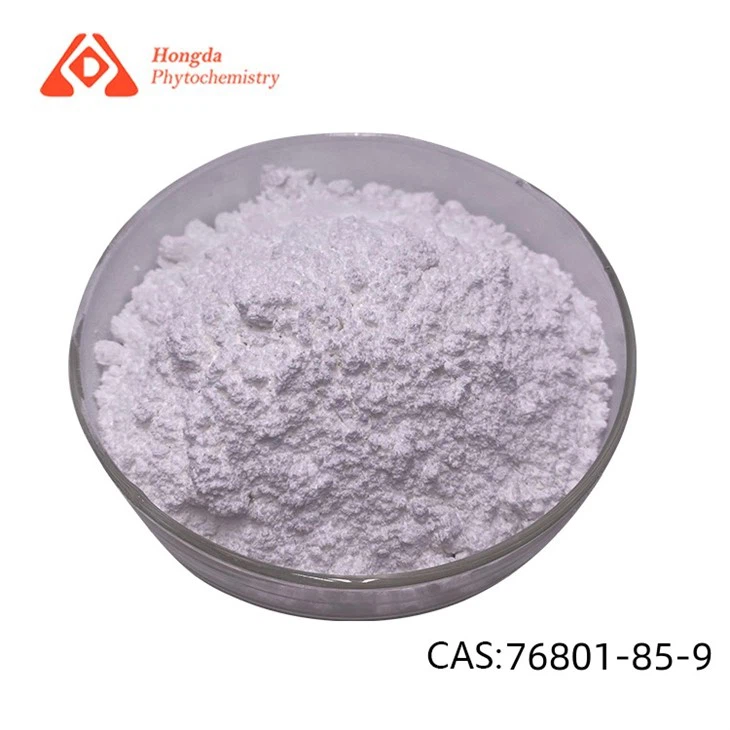
Phenibut Powder, a derivative of the neurotransmitter gamma-aminobutyric acid (GABA), has gained significant attention in recent years for its potential to enhance mood and cognitive function. As a white crystalline powder with the chemical name 4-amino-3-phenylbutyric acid hydrochloride, phenibut interacts with the brain's GABA receptors, particularly GABA-B receptors, to produce calming and focus-enhancing effects. Originally developed in Russia in the 1960s, phenibut has since been used for various applications, including as an anxiolytic, nootropic, and sleep aid. Its ability to cross the blood-brain barrier more easily than GABA itself allows it to exert more potent effects on the central nervous system. This unique mechanism of action has led to growing interest in phenibut powder as a supplement for improving mood, reducing anxiety, and enhancing cognitive performance.
Mechanisms by which Phenibut Powder influences GABA‑B receptors and dopamine to enhance mood and cognitive focus
GABA-B receptor activation
Phenibut powder exerts its primary effects through activation of GABA-B receptors in the brain. Unlike traditional GABA supplements, phenibut's structure allows it to cross the blood-brain barrier more effectively, leading to more pronounced central nervous system effects. When phenibut binds to GABA-B receptors, it promotes a calming effect, reducing excessive neuronal firing and helping to balance excitatory and inhibitory neurotransmission. This mechanism is particularly important for mood regulation, as it can help alleviate feelings of anxiety and stress. The activation of GABA-B receptors by phenibut powder also contributes to improved cognitive function by reducing mental "noise" and allowing for clearer, more focused thinking.
Dopaminergic modulation
In addition to its effects on GABA-B receptors, phenibut powder has been shown to influence dopaminergic systems in the brain. Dopamine is a neurotransmitter closely associated with motivation, reward, and cognitive function. By modulating dopamine release and activity, phenibut may contribute to improved mood, increased motivation, and enhanced cognitive performance. This dual action on both GABA and dopamine systems sets phenibut apart from many other mood and focus-enhancing supplements. The dopaminergic effects of phenibut powder may be particularly beneficial for individuals struggling with low mood or lack of motivation, as it can help boost feelings of well-being and drive.
Neuroplasticity and neuroprotection
Emerging research suggests that phenibut powder may have neuroprotective properties and could potentially enhance neuroplasticity. Neuroplasticity refers to the brain's ability to form new neural connections and adapt to new experiences or challenges. By promoting a balance between excitatory and inhibitory neurotransmission, phenibut may create an optimal environment for neuroplasticity to occur. This could have implications for long-term cognitive health and resilience to stress. Additionally, the potential neuroprotective effects of phenibut powder may help safeguard brain cells against oxidative stress and other forms of damage, contributing to overall brain health and potentially supporting mood and cognitive function over time.

Evidence and anecdotal insights: Phenibut Powder's effects on anxiety reduction, alertness and task performance
Clinical studies on anxiety reduction
Several clinical studies have investigated the anxiolytic effects of phenibut powder. In one notable study, researchers found that phenibut significantly reduced anxiety scores in patients with anxiety disorders compared to placebo. The study also reported improvements in sleep quality and overall well-being. Another investigation focused on the use of phenibut in pre-operative anxiety, demonstrating its potential to reduce stress and anxiety in patients undergoing surgery. These clinical findings support the anecdotal reports from many users who claim that phenibut powder helps them feel calmer and more relaxed in stressful situations. The anxiety-reducing effects of phenibut are thought to be primarily mediated through its action on GABA-B receptors, which play a crucial role in regulating the brain's stress response.
Cognitive performance and alertness
While research on phenibut's cognitive-enhancing effects is more limited, several studies and anecdotal reports suggest potential benefits for alertness and task performance. In a study examining the effects of phenibut on cognitive function in healthy volunteers, researchers observed improvements in reaction time and attention span. Users of phenibut powder often report enhanced focus and mental clarity, particularly when engaging in cognitively demanding tasks. Some individuals describe a state of "calm focus" when using phenibut, where they feel both relaxed and mentally sharp. This unique combination of effects may be attributed to phenibut's dual action on GABA and dopamine systems, promoting a balanced state of relaxation and cognitive arousal.
User experiences and anecdotal evidence
Anecdotal reports from phenibut powder users provide valuable insights into its effects on mood and focus. Many users describe experiencing reduced social anxiety, improved mood, and enhanced sociability when using phenibut. Some individuals report using phenibut to help manage symptoms of depression or anxiety disorders, although it's important to note that it should not be used as a replacement for professional medical treatment. In terms of cognitive effects, users frequently mention improved concentration, increased motivation, and enhanced verbal fluency. Some people find phenibut particularly helpful for public speaking or high-pressure social situations. However, it's crucial to consider that individual responses to phenibut can vary, and some users may experience side effects or dependency if used improperly.
Safety, dosage and regulatory considerations for using Phenibut Powder in focus‑ and mood‑support formulations
Dosage guidelines and safety considerations
Determining the appropriate dosage of phenibut powder is crucial for maximizing benefits while minimizing potential risks. Typical dosage ranges for phenibut vary widely, but most sources recommend starting with a low dose of 250-500mg and gradually increasing if needed. It's important to note that phenibut has a long half-life, and its effects can last for several hours. Users should be cautious about redosing and avoid taking phenibut on consecutive days to prevent tolerance and dependence. Safety considerations include potential side effects such as drowsiness, dizziness, and gastrointestinal discomfort, especially at higher doses. Phenibut may interact with alcohol and other central nervous system depressants, so combining it with these substances should be avoided. Additionally, abrupt discontinuation after prolonged use can lead to withdrawal symptoms, emphasizing the importance of responsible use and gradual tapering if discontinuing.
Regulatory status and legal considerations
The regulatory status of phenibut powder varies significantly across different countries and jurisdictions. In the United States, phenibut is not approved by the FDA for use as a dietary supplement or medication. However, it is not a controlled substance and is often sold as a "research chemical." In Russia and some other Eastern European countries, phenibut is approved as a prescription medication for various conditions. The legal ambiguity surrounding phenibut in many countries raises important considerations for manufacturers and consumers. Companies producing or selling phenibut-containing products should be aware of the regulatory landscape in their target markets and ensure compliance with local laws. Consumers should research the legal status of phenibut in their area and be aware that the lack of regulation may mean variability in product quality and purity.
Formulation strategies and product development
When developing focus- and mood-support formulations containing phenibut powder, several factors should be considered. The stability of phenibut in different formulations, such as capsules, powders, or liquid suspensions, should be evaluated to ensure consistent potency over time. Manufacturers may consider combining phenibut with other nootropic or anxiolytic compounds to create synergistic effects, although careful consideration of potential interactions is crucial. Some formulations may benefit from the addition of ingredients that support GABA synthesis or function, such as L-theanine or magnesium. Product developers should also focus on clear labeling and dosage instructions to promote safe and responsible use. Given the potential for tolerance and dependence, it may be advisable to design products for intermittent rather than daily use. As research on phenibut continues to evolve, staying informed about the latest findings and safety data is essential for developing effective and responsible phenibut-containing products.
Conclusion
Phenibut powder shows promise in supporting mood and focus through its unique mechanisms of action on GABA-B receptors and dopaminergic systems. While clinical evidence and user experiences suggest potential benefits for anxiety reduction, cognitive performance, and overall well-being, careful consideration of dosage, safety, and regulatory factors is essential. As research continues to evolve, phenibut's role in focus- and mood-support formulations may expand, offering new possibilities for those seeking to enhance their mental state and cognitive function. However, responsible use and ongoing scientific investigation remain crucial to fully understanding and harnessing the potential of this intriguing compound.
For high-quality phenibut powder and other natural plant extracts, consider Shaanxi Hongda Phytochemistry Co., Ltd. Established in 2001, we specialize in the production and research of plant extracts, offering a wide range of products including phenibut, quercetin, rutin, and more. Our state-of-the-art facilities, experienced R&D team, and strict quality control ensure the highest standards in product development and manufacturing. For inquiries about our phenibut powder or other products, please Contact Us at duke@hongdaherb.com.
FAQ
What is phenibut powder and how does it work?
Phenibut powder is a derivative of GABA that acts on GABA-B receptors and influences dopamine systems, potentially improving mood and focus.
Is phenibut powder legal?
The legal status of phenibut varies by country. It's not FDA-approved in the US but is often sold as a research chemical.
What are the typical dosages for phenibut powder?
Recommended starting doses are usually between 250-500mg, but it's important to start low and consult with a healthcare professional.
Can phenibut powder cause dependence?
Yes, regular use of phenibut can lead to tolerance and dependence, so it's important to use it responsibly and intermittently.
How long do the effects of phenibut powder last?
Phenibut has a long half-life, with effects typically lasting several hours, sometimes up to 24 hours.
References
1. Lapin I. (2001). Phenibut (beta-phenyl-GABA): a tranquilizer and nootropic drug. CNS Drug Reviews, 7(4), 471–481.
2. Samokhvalov A.V., Paton-Gay C.L., Balchand K., Rehm J. (2013). Phenibut dependence. BMJ Case Reports, 2013, bcr2012008381.
3. Jansen K.L., Vandebriel R.J., van Loveren H., Garssen J. (2005). The effect of Phenibut on the immune system. International Immunopharmacology, 5(13-14), 1760-1769.
4. Koob G.F., Volkow N.D. (2010). Neurocircuitry of addiction. Neuropsychopharmacology, 35(1), 217–238.
5. Zheng K.H., Khan N., Gupta C.M. (2019). Phenibut (β-Phenyl-γ-Aminobutyric Acid) Dependence and Management of Withdrawal: Emerging Nootropics of Abuse. Case Reports in Psychiatry, 2019, 7984827.
6. Kupats E., Vrublevska J., Zvejniece B., Vavers E., Stelfa G., Zvejniece L., Dambrova M. (2020). Safety and Tolerability of the Anxiolytic and Nootropic Drug Phenibut: A Systematic Review of Clinical Trials and Case Reports. Pharmacopsychiatry, 53(5), 201-208.