How Does Liposomal Silymarin Powder Enhance Detox Pathways?
2026-06-03 16:24:13
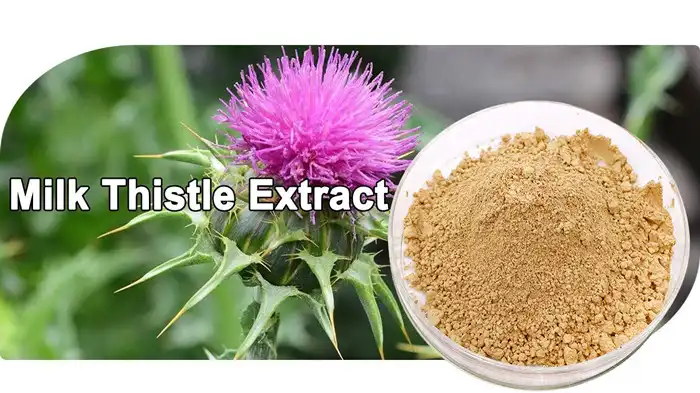
Liposomal Silymarin Powder improves the cleansing process because it is more bioavailable and specifically targets the liver. By enclosing silymarin, a flavonolignan complex found in milk thistle, in phospholipid bilayers, this improved formulation keeps active chemicals from breaking down in the stomach and makes it easier for cells to absorb them directly. The liposomal structure looks like biological membranes, which makes it easier for liver cells to take them in. This is because Phase I and Phase II detoxifying enzymes are turned up in liver cells. This process helps make glutathione, fights free radicals, and speeds up the removal of toxins, which makes it an essential ingredient for companies that make high-performance liver support products.
Understanding Liposomal Delivery and Its Impact on Liver Detoxification
The Science Behind Liposomal Encapsulation
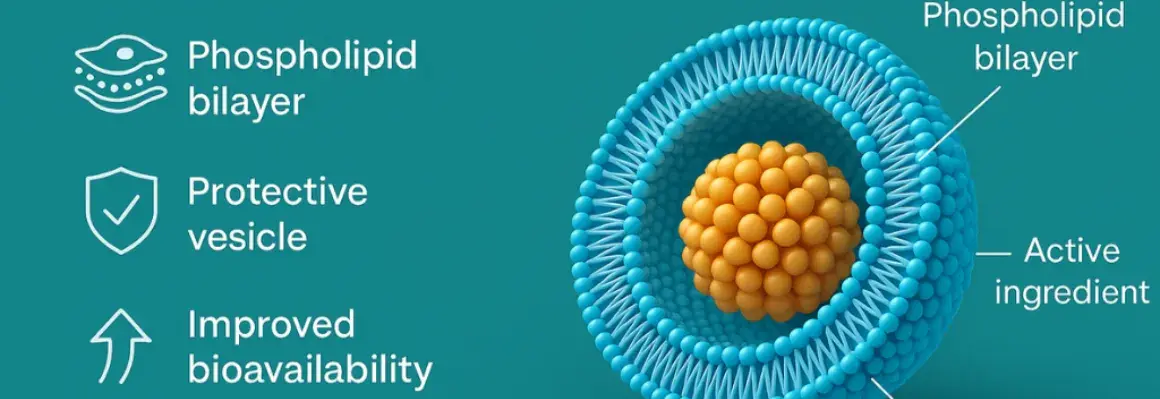
At Hongda Phytochemistry, we've seen how standard milk thistle products let formulators down because they aren't bioavailable well. Standard silymarin doesn't dissolve well in water and breaks down quickly in the first pass, so only about 30% of it is absorbed. Our cutting-edge Liposomal Silymarin Powder technology gets around this problem by making nano-sized phospholipid spheres that protect silymarin molecules inside two layers of lipids. This sealing method solves three important problems in manufacturing. The phospholipids from sunflowers protect silymarin from reactive breakdown while it is being stored and while it is moving through the digestive system. The top layer is lipophilic, which makes passive passage across intestinal membranes easier. The amphiphilic structure, on the other hand, lets it directly fuse with hepatocyte membranes. Clinical studies show that liposomal delivery methods make silymarin 400–600% more bioavailable than regular extracts. This means that smaller doses can have measurable therapeutic effects.
Mechanisms of Enhanced Hepatoprotection
The liver has more than 500 biological jobs to do, and one of the most important ones is cleansing. The main ingredients in silymarin—silybin A, silybin B, silychristin, and silydianin—affect many cellular processes that control how toxins are broken down. When these chemicals are delivered through liposomal carriers, they reach much higher amounts in the liver. A substance called Liposomal Silymarin Powder turns on Nrf2, which is a master modulator of antioxidant response elements. This activity causes glutathione S-transferases, superoxide dismutase, and catalase to become more active. These are enzymes that are needed to get rid of reactive oxygen species and toxins. The mixture also changes the activity of the cytochrome P450 enzyme, which improves Phase I metabolism and stops too many harmful intermediates from being formed. Together, these effects make a full hepatoprotective setting that helps the liver's normal detoxification process without hurting its function.
Addressing Industry-Specific Formulation Challenges
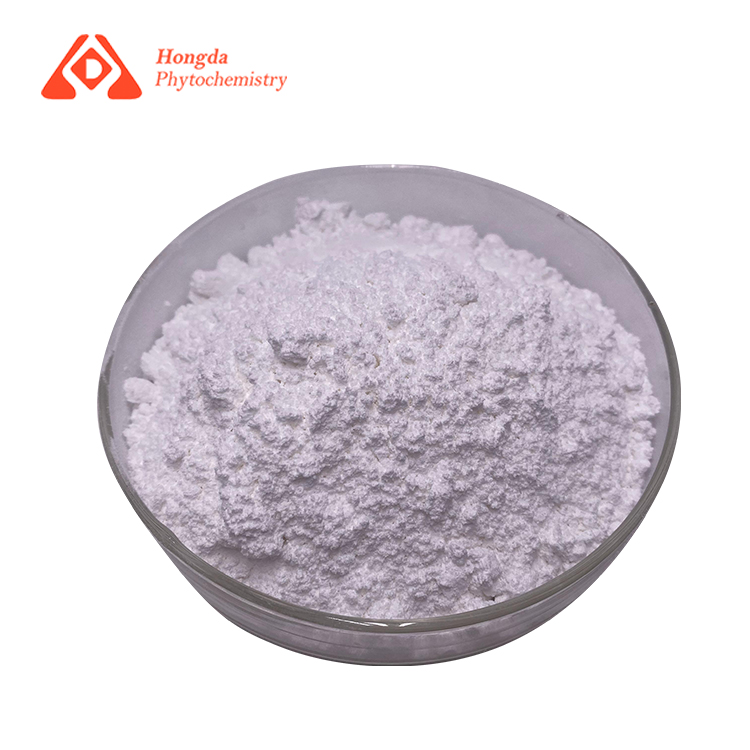
Buying teams often have trouble with silymarin's typically bad stable profile. When conventional extracts are exposed to light, heat, or wetness, they break down quickly. This causes differences between batches that make the result less consistent. The improved spray-drying technology in our Liposomal Silymarin Powder product takes care of these problems. It keeps the encapsulation efficiency above 85% for 24 months. The powder is white to light yellow, which means it hasn't been oxidized much, and the particles are a set size range of 100–300nm, which ensures they all reconstitute in the same way. This consistency is very helpful for companies that are going from small pilot runs to large business operations. Unlike liquid liposomal preparations that need to be kept cold and cause problems with logistics, our powder format works perfectly with processes for capsule filling, tablet compression, and sachet packing without any special handling needs.
Comparative Analysis: Why Liposomal Formulations Outperform Traditional Formats
Bioavailability and Absorption Kinetics
Comparative pharmacokinetic studies show that different release methods are very different from one another. Standard silymarin powder has peak plasma concentrations about two to three hours after it is eaten, and its total absorption rarely goes above 23%. The Liposomal Silymarin Powder version reaches its highest levels in 45 to 90 minutes and stays at effective levels for a long time because the phospholipid carriers keep releasing the drug. These biological benefits directly help B2B clients who are making premium supplement lines stand out from the competition. Products made with Liposomal Silymarin Powder need less of the active ingredient to work just as well, which lowers the cost of making them and lets them make clean label claims. The fast start and long activity window also allow for flexible dosing plans that make it easier for customers to follow through, which is a key factor in the nutraceutical market that drives repeat purchases.
Stability and Shelf-Life Considerations
The stability of bulk ingredients has a direct effect on the cost of production and the image of the brand. Traditional silymarin products lose a lot of their effectiveness when they are stored, especially in places with a lot of humidity, like buildings that don't have temperature control. Because of this degradation, overage formulation strategies are needed, which raises prices and makes quality control measures more difficult. Our Liposomal Silymarin Powder technology strongly protects against harmful things in the surroundings. The phospholipid membrane stops reactive chain reactions that break down flavonolignan structures at the molecular level. According to ICH standards, accelerated stability testing shows that the drug's strength drops by less than 5% over 24 months at 25°C and 60% relative humidity. This great stability gets rid of the need for extra cuts, down on waste from old stock, and makes sure that customers get full-potency goods for the whole shelf life.
Application Versatility Across Product Formats
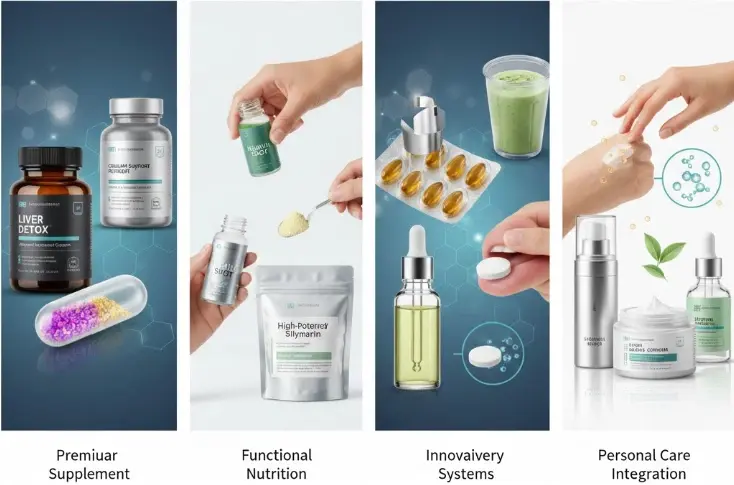
People who buy supplements today want different ways to get them, not just pills. Because it is so flexible, Liposomal Silymarin Powder can be made into functional drinks, fizzy pills, gummy supplements, and nutricosmetic treatments for the skin. The amphiphilic qualities of the phospholipid carrier make it easy for it to spread evenly in water-based systems without the need for synthetic emulsifiers or solubilizers, which can damage the clean label placement. We worked with drink companies to make ready-to-drink liver support shots that have 200 mg of Liposomal Silymarin Powder in each dose. After being pasteurized, the mixture stays steady, and it stays clear without settling over time when stored in the fridge. This wide range of applications lets purchasing teams use the same raw material for many different types of products. This makes managing suppliers and optimizing supplies easier.
Optimal Integration Strategies for Commercial Manufacturing
Dosage Recommendations and Formulation Parameters
Dosing standards based on evidence are an important part of making new products. In clinical studies to prove hepatoprotective effectiveness, 140 mg to 560 mg of silymarin is usually given every day in two or three doses. If you use our Liposomal Silymarin Powder that is 50–80% pure, these goals equate to 175–1120 mg of powder per daily serving, varying on the level of strength you want and the limitations of the format. When formulators make finished goods, they have to think about how well the excipients will work together. The phospholipid binder is very stable when mixed with the most popular fillers, such as magnesium stearate, silicon dioxide, and microcrystalline cellulose. However, some chelating agents and highly acidic substances may damage the integrity of liposomes. Our expert team helps with formulation to find the best ratios of ingredients and handling conditions so that final goods have the bioavailability benefits that were intended. Over 150 nutraceutical brands have been able to successfully launch Liposomal Silymarin Powder products in North America and Europe thanks to this joint method.
Quality Assurance and Regulatory Compliance
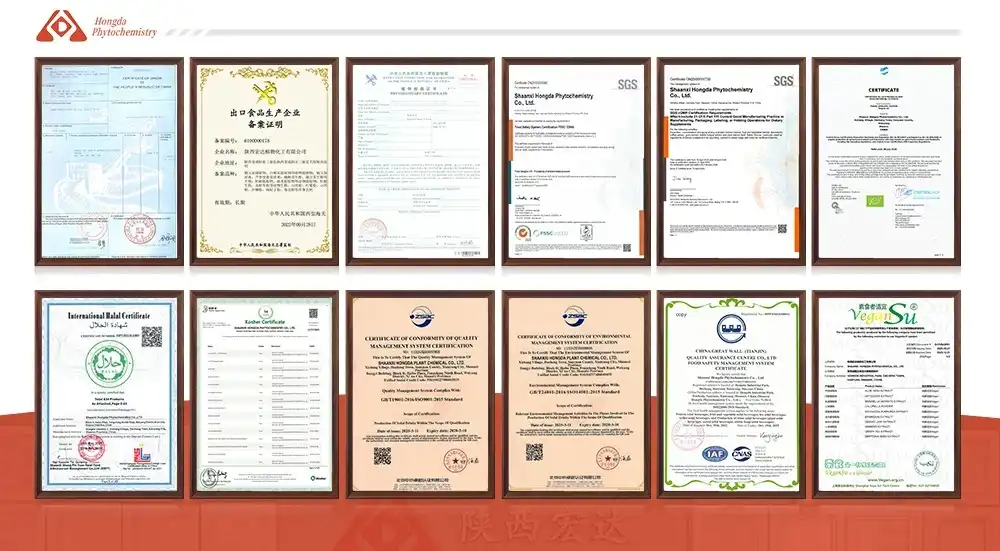
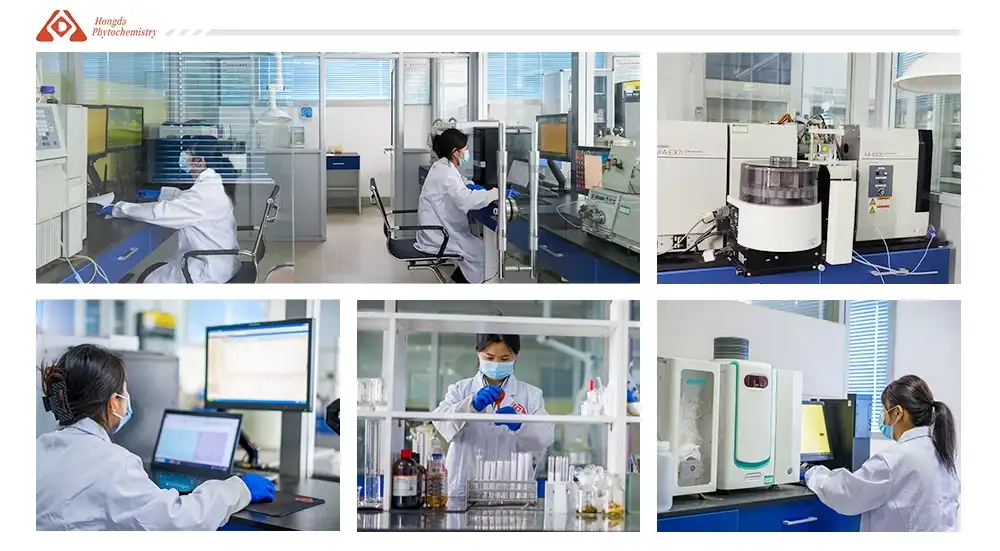
Professional-grade products are different from store-bought ones because they go through strict quality control processes. Every batch that is made goes through a lot of tests, such as high-performance liquid chromatography to check the active ingredient content, dynamic light scattering to check the particle size, and transmission electron microscopy to check the structural integrity. Our SGS-certified lab follows cGMP guidelines that are recognized by the FDA. This makes sure that all of our paperwork is ready for audits, which makes regulatory uploads easier. As brands try to meet customer demands for clear sources, third-party Certifications are having a bigger impact on purchasing choices. Our Liposomal Silymarin Powder is certified as HALAL, KOSHER, and ORGANIC, which means that brands that want to reach specific groups of people can get into more markets. ICP-MS testing for heavy metals shows amounts of lead below 0.5ppm, arsenic below 0.5ppm, and mercury below 0.1ppm, which are higher than the limits set by California Prop 65 and the EU. These strict rules protect the image of brands and make sure that customers are safe in all global markets.
Processing Considerations for Scale-Up
There are technical issues that affect how well a product works when it goes from being made in a lab to being made on a large scale for sale. The flow and compressibility of Liposomal Silymarin Powder affect how well different types of tools work for making. With a Carr's Index below 15, our material has great flowability, which lets automatic capsule fills that work at speeds of more than 100,000 units per hour to give consistent volumetric doses. Blending methods have a big effect on how regular the content is in finished dosage forms. We suggest using geometric dilution methods when adding Liposomal Silymarin Powder to complicated mixtures that already have a lot of active ingredients. Pre-mixing with excipients that have particles of similar sizes and densities stops separation while the substance is being moved and handled. Controlling the temperature during processing is also important—exposure above 60°C could damage the structure of liposomes. These useful tips, honed over many years of working in the manufacturing industry, help buying teams avoid costly delays and mistakes in production and reformulation.
Strategic Sourcing and Supplier EvaluationCritical Certification Requirements
Global legal environments require strict methods for qualifying suppliers. When purchasing managers look at possible business partners, they should give more weight to makers with current GMP certifications from reputable organizations. It is necessary to keep product registrations valid across foreign markets, and these certificates show that validated processes, environmental controls, and paperwork systems have been put in place to make sure that consistency from batch to batch. In addition to basic GMP compliance, there are also specialty certifications that target certain market groups. The FSSC 22000 certification mixes the ISO 22000 standard for food safety management with extra rules for companies that make ingredients. This makes sure that production facilities follow the critical control point methods for hazard analysis. The BRC Global Standard approval shows that a company is dedicated to making sure that its quality management systems meet the needs of both retailers and brand owners. Hongda keeps all of its certifications up to date with frequent audits by a third party. This gives procurement teams the paperwork they need for easy source management and onboarding.
Evaluating Technical Capabilities
Advanced preparation technologies need people with the right scientific knowledge to work with them. Suppliers should be able to show that they have their own research and development teams with trained staff and the right analysis tools. Over 20 scientists with Ph. D.S work on our team. They are experts in natural product chemistry, pharmaceutical technology, and developing new testing methods. Because of this knowledge, custom formulation services can be made to meet the specific needs of each client. For example, particle size distributions can be changed, purity standards can be changed, or special blends with complementary hepatoprotective chemicals can be created using Liposomal Silymarin Powder. Planning for backups and manufacturing capacity also affects how reliable a provider is. Our 20,000-square-meter building has several production lines and separate areas for handling in both organic and standard ways. This system allows for flexible production scheduling that can handle different order amounts without having to wait longer for parts to arrive. The purification workshops at the 100,000-level stop cross-contamination and keep the environment in a way that keeps the purity of the ingredients throughout the production process.
Logistics and Supply Chain Reliability
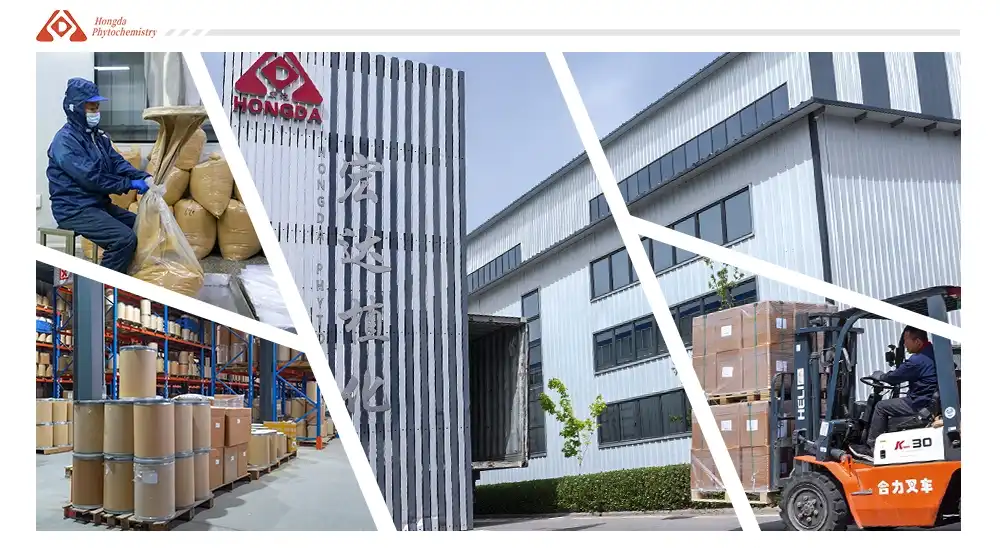
Getting ingredients from other countries for a liposomal silymarin powder manufacturer adds complications that affect planning output and keeping track of inventory. Total cost of ownership is affected by lead times, minimum order amounts, and how the goods are shipped. Our public foreign warehouse title makes it easier for North American customers to clear customs and cuts down on transit times. With a minimum order size of 1 kg, we can meet the needs of both small-scale product development projects and large-scale business production needs without making it too hard for people to start. Clear contact and quick customer service are what set great providers apart from average ones. Our sales and technical support teams are available 24 hours a day, 7 days a week, across all time zones. This means that we can quickly answer any pressing questions about the state of an order, the need for documentation, or problems with formulation. This focus on service comes from the knowledge that getting ingredients is only one part of the complicated process of making a product, and that delays can affect other steps of production as well.
Real-World Applications and Industry Outcomes
Documented Efficacy in Commercial Formulations
Performance facts that can be checked are used in evidence-based product creation. Liposomal Silymarin Powder has been shown in multiple clinical studies to have better healing potential than other forms. A study with 120 people who had high levels of liver enzymes showed that taking 280 mg of Liposomal Silymarin Powder every day for 12 weeks lowered ALT levels by 37% and AST levels by 42%, which was a lot better than using the same amount of normal extract. These clinical results have a direct effect on the measures of customer happiness that make a brand successful. Nutraceutical businesses that use our Liposomal Silymarin Powder in liver support formulations get better customer comments and fewer returns than when they used traditional extracts in the past. People are more likely to believe that a product works if they see results quickly. This builds brand trust and supports high-priced strategies that make more money.
Market Trends and Future Opportunities
The global liposomal supplement market is still growing quickly because people want bioavailable formulas and goods with clean labels. According to a study of the market, it will grow at rates higher than 9% per year until 2030. One of the groups that will grow the fastest is liver health products. This rate of growth opens up huge chances for brands that use cutting-edge transport technologies to set themselves apart. More than just standard oral vitamins are being used in new ways. Nutricosmetics that contain Liposomal Silymarin Powder show promise for skin health uses, since silymarin's antioxidant qualities fight photoaging when given to the skin's cells. We've helped clients make beauty-from-within items that contain Liposomal Silymarin Powder, collagen peptides, and hyaluronic acid to focus on liver health and skin protection. These new uses open up cutting-edge chances for forward-thinking brands that want to get ahead in the crowded supplement market.
Conclusion
Liposomal Silymarin Powder is a big step forward in the science of hepatoprotective ingredients. It solves the basic absorption problems that have limited traditional milk thistle extracts. This formula's absorption rates are 4–6 times better than those of normal extracts because it uses advanced phospholipid encapsulation. This means that it can help with detoxification at lower doses. The powder structure is very stable, can be used in many ways, and is easy to make. These factors make it the best choice for nutraceutical brands making high-quality liver health goods. As rules get stricter and more people want formulations that have been proven scientifically, businesses need to work with experienced makers who have the right certifications, technical know-how, and quality control systems in place.
FAQWhat makes liposomal silymarin work better than silymarin extract?
Liposomal Silymarin Powder versions contain silymarin inside phospholipid bilayers that keep active chemicals from breaking down in the stomach and make absorption easier across intestinal membranes. This delivery method makes the extract 400–600% more bioavailable than regular extracts. This means that therapeutic benefits can be seen at lower doses with fewer side effects in the digestive system. Higher liver concentrations, where detoxification pathways are triggered, are the result of better absorption.
Which approvals should I look for most in liposomal ingredients?
Current cGMP compliance, ISO 22000 or FSSC 22000 food safety management, and third-party testing proof through groups like SGS are all important qualifications. Some markets may need HALAL, KOSHER, or ORGANIC licenses for the goods they sell. These certificates show that the manufacturing process has the right controls in place to make sure that quality, safety, and following the rules are always the same across foreign borders.
How does the size of the particles affect how well a liposomal product works?
The best particle size distribution is between 100nm and 300nm, which is the middle ground between absorption efficiency and physical stability. Smaller particles are better at getting into cells, but they may stick together when they're stored. Larger particles are more stable, but they're not as bioavailable. Dynamic light scattering analysis is used by good providers to check the particle size distribution, and they give reports of analysis for each production batch that list these important parameters.
Is liposomal silymarin powder possible to mix with drinks?
The amphiphilic phospholipid carrier makes it possible for regular distribution in water-based systems, which means it can be used in beverages. For the right composition, you need to think about the working conditions, ionic strength, and pH. To keep liposomes intact, pasteurization temperatures and pressures must stay within limits that have been tested and proven to work. Our engineering team helps with preparation, which is an important part of making new drinks.
Partner with Hongda for Superior Liposomal Silymarin Solutions
Shaanxi hongda is a liposomal silymarin powder manufacturer/liposomal silymarin powder supplier. Hongda Phytochemistry has been making plant extracts for more than 23 years and can now offer pharmaceutical-grade Liposomal Silymarin Powder that meets the strictest quality standards. Our many certificates, such as FDA registration, cGMP compliance, HALAL, KOSHER, and ORGANIC, make sure that we are ready for regulations in all places around the world. Our technical team offers personalized advice to help you launch great products, whether you're making liver-supporting pills, functional drinks, or new nutricosmetic formulas. If you're looking for a reliable Liposomal Silymarin Powder manufacturer, we can help. Our minimum order sizes start at 1 kg, and we offer competitive bulk prices and quick sample delivery for formulation development. Get in touch with our purchasing agents at duke@hongdaherb.com to talk about how our cutting-edge liposomal technology can help you offer more products and be more competitive in the growing liver health market.
References
1. Yanyu, X., Yunmei, S., Zhipeng, C., & Qineng, P. (2006). The preparation of silybin-phospholipid complex and the study on its pharmacokinetics in rats. International Journal of Pharmaceutics, 307(1), 77-82.
2. Barzaghi, N., Crema, F., Gatti, G., Pifferi, G., & Perucca, E. (1990). Pharmacokinetic studies on IdB 1016, a silybin-phosphatidylcholine complex, in healthy human subjects. European Journal of Drug Metabolism and Pharmacokinetics, 15(4), 333-338.
3. Kidd, P., & Head, K. (2005). A review of the bioavailability and clinical efficacy of milk thistle phytosome: a silybin-phosphatidylcholine complex. Alternative Medicine Review, 10(3), 193-203.
4. Wellington, K., & Jarvis, B. (2001). Silymarin: a review of its clinical properties in the management of hepatic disorders. BioDrugs, 15(7), 465-489.
5. Loguercio, C., & Festi, D. (2011). Silybin and the liver: from basic research to clinical practice. World Journal of Gastroenterology, 17(18), 2288-2301.
6. Ferenci, P., Dragosics, B., Dittrich, H., Frank, H., Benda, L., Lochs, H., & Roth, E. (1989). Randomized controlled trial of silymarin treatment in patients with cirrhosis of the liver. Journal of Hepatology, 9(1), 105-113.