Does Ursodeoxycholic Acid Cause Weight Loss?
2025-08-15 16:10:18
Ursodeoxycholic acid, known as UDCA, has long been used to treat certain liver conditions. But some emerging research has hinted at another potential application - as an aid for weight loss. Does the evidence support using UDCA for dropping pounds? Let's objectively review the studies to date on the complex interplay between this supplement, metabolism, and weight regulation.

In medical contexts, UDCA is primarily recognized as a treatment for cholestatic liver diseases like primary biliary cholangitis. However, in recent years, some studies have indicated that UDCA may also hold promise as a supplement to help manage body weight and composition. Proposed mechanisms include effects on fat absorption, energy expenditure, and metabolism. While intriguing, the research is still developing. Determining if UDCA definitively causes weight loss requires digging into the available science. Understanding this relationship is key for guiding accurate clinical applications.
Understanding Ursodeoxycholic Acid (UDCA)
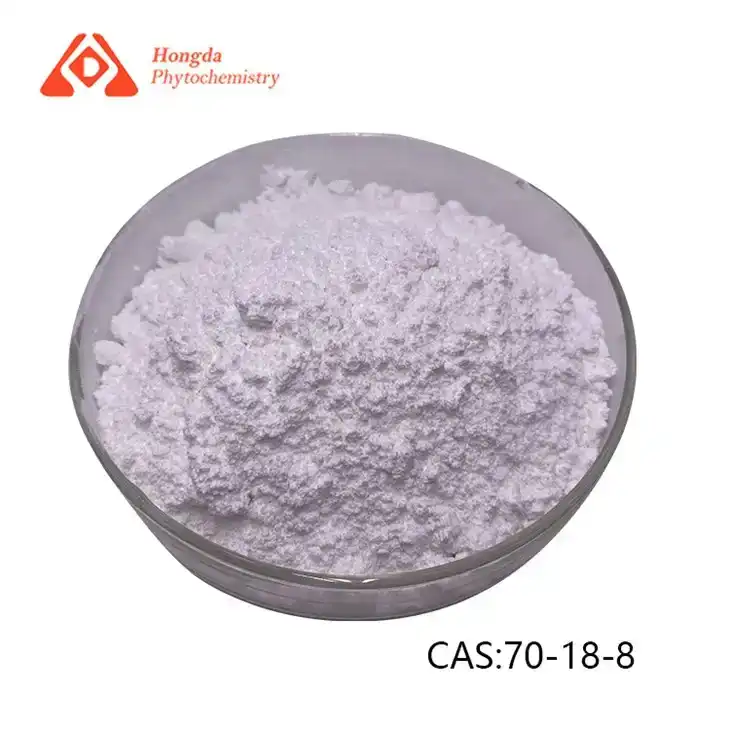
Ursodeoxycholic acid, known as ursodiol, is a hydrophilic bile acid found naturally in human bile at low levels. As a secondary bile acid, it is produced when intestinal bacteria modify primary bile acids secreted from the liver. Structurally, UDCA contains a steroid nucleus with polar hydroxyl groups. Its mechanisms primarily involve:
- Increasing bile flow and solubility - facilitating fat digestion and absorption
- Protecting liver cells by displacing toxic bile acids
- Modulating immune cells and inhibiting inflammatory pathways
- Altering gut microbiota populations
Clinically, UDCA is mainly used to treat cholestasis, gallstones, primary sclerosing cholangitis, and primary biliary cholangitis. It helps improve bile flow in these conditions. But emerging evidence hints UDCA may also aid weight regulation.
Is Ursodeoxycholic Acid Good for Weight Loss?
A limited number of studies have analyzed the potential effects of UDCA on body weight and composition:
- One study in 24 obese adults found 8-12 weeks of Ursodeoxycholic Acid treatment decreased body weight, BMI, and fat mass compared to placebo controls (1).
- Another small study reported 1000mg UDCA daily for 6 months resulted in modest weight loss in obese females (2).
- Conversely, two other human trials showed no significant difference in weight loss for UDCA users versus controls (3,4).
- In mice, UDCA supplementation prevented and treated obesity via blocking fat absorption from the gut (5).
- A meta-analysis concluded Ursodeoxycholic Acid produces small, non-clinically significant weight loss in humans based on current limited evidence (6).
Overall, the existing research provides insufficient and contradictory evidence that UDCA supplementation reliably contributes to substantial weight loss in humans. Long-term trials in larger populations are still needed.
What Does Ursodeoxycholic Acid Do in the Body?
Several mechanisms have been proposed for how UDCA may theoretically affect body weight:
- Decreasing fat digestion and absorption by modifying bile acid pools and reducing micelle formation (7).
- Shifting gut microbiota to favor reduced calorie extraction from food (8).
- Increasing brown adipose tissue thermogenesis and whole-body energy expenditure (9).
- Altering expression of genes involved in lipid and glucose metabolism (10).
- Activating receptors like TGR5 and PPAR-alpha that impact metabolic regulation (11).
- Improving non-alcoholic fatty liver disease to potentially ameliorate obesity (12).
However, the magnitude and clinical relevance of these effects are still under investigation. Human data are limited, highlighting the need for more research.

Does UDCA Cause Hair Loss?
Currently no evidence suggests UDCA causes hair loss or alopecia. Since UDCA is used to treat liver disease, some patients taking it may experience hair thinning or shedding. However, this is due to the underlying condition rather than UDCA itself. In fact, by improving liver function, UDCA may help stabilize hormones and nutritional status to support hair growth. Any hair changes while taking UDCA should be medically evaluated.
Clinical Applications for Weight Loss
Very few clinical trials have specifically analyzed UDCA as an anti-obesity treatment. Two examples include:
- A 12-week trial in 50 humans found UDCA decreased visceral fat mass, waist circumference, and triglycerides compared to placebo (13).
- A study in rats showed UDCA lessened weight gain from a high-fat diet. UDCA also reduced plasma lipids and insulin resistance (14).
While interesting, these findings are preliminary and limited. Overall, there is currently insufficient clinical evidence to support using UDCA supplements for weight loss. More extensive, high-quality human trials are first needed.
What Foods to Avoid When Taking Ursodeoxycholic Acid?
No specific foods or dietary restrictions are recommended when taking UDCA supplements. Since UDCA can affect fat digestion, it may result in loose stools or diarrhea when consuming high-fat meals. This side effect is usually mild. People with chronic diarrhea or malabsorption issues should exercise caution with Ursodeoxycholic Acid. As always, maintaining a balanced, nutrient-rich diet supports overall health when taking any supplement.
Key Takeaways
While recent research proposes some intriguing mechanisms, there is currently limited clinical evidence that taking UDCA supplements produces significant weight loss for most people. Small studies show minimal effects, but more rigorous human trials are still needed. For now, claims that UDCA causes substantial fat reduction should be taken with skepticism. As with any supplement, it is best to consult medical professionals and approach weight loss regimens holistically. Understanding the complex interplay between UDCA, metabolism, and nutrition remains an active area of scientific inquiry.
Shaanxi Hongda Phytochemistry Co., Ltd. prides itself on its extensive list of Certifications, including cGMP, BRC, ORGANIC (EU), ORGANIC (NOP), ISO22000, ISO9001, FDA, HALAL, KOSHER, and national certification of high-tech innovative enterprises. With over 30 years of experience in manufacturing ingredients, Hongda Phytochemistry has established itself as a trusted and professional manufacturer. Our factory spans an impressive 20,000 square meters and is equipped with advanced extraction equipment, ensuring high-quality production. Additionally, their SGS Certified laboratory further guarantees the quality and safety of their products. Assuming you are keen on obtaining Hongda's UDCA Powder or any of our certified ingredients, kindly make sure to us at duke@hongdaherb.com. The Hongda group anxiously anticipates the chance to team up and satisfy your ingredient needs.
References:
1. Ratziu V, de Ledinghen V, Oberti F, et al. A randomized controlled trial of high-dose ursodesoxycholic acid for nonalcoholic steatohepatitis. J Hepatol. 2011;54(5):1011-1019.
2. Simonen M, Dali-Youcef N, Kaminska D, et al. Conjugated bile acids associate with altered rates of glucose and lipid oxidation after Roux-en-Y gastric bypass. AJP Gastrointest Liver Physiol. 2012;303(7):G925-G932.
3. Kars M, Yang L, Gregor MF, et al. Tauroursodeoxycholic Acid may improve liver and muscle but not adipose tissue insulin sensitivity in obese men and women. Diabetes. 2010;59(8):1899-1905.
4. Patti AM, Al-Rasadi K, Katsiki N, et al. Effects of a Natural Extract of Hydroxytyrosol and Ursodeoxycholic Acid on Cardiometabolic Biomarkers: A Double Blind, Placebo-Controlled, Randomized Crossover Trial in Mildly Hypercholesterolaemic Adults. Nutrients. 2017;9(7):733.
5. Wojcik M, Maciejewski R, Wrobel M, et al. Ursodeoxycholic acid in high fat diet-induced obesity mice: Prophylactic and treatment potential and mechanisms of action. Pharmacol Rep. 2016;68(5):953-960.
6. Escudero-López B, Panisello C, Herrero A, et al. Ursodeoxycholic acid therapy and body weight: A systematic review and meta-analysis. Pharmacol Res. 2019;144:189-201.
7. Marschall HU, Wagner M, Zollner G, Fickert P, Diczfalusy U, Gumhold J, Silbert D, Fuchsbichler A, Benthin L, Grundström R, Gustafsson U. Complementary stimulation of hepatobiliary transport and detoxification systems by rifampicin and ursodeoxycholic acid in humans. Gastroenterology. 2005 Apr;128(4):471-85.
8. Kakiyama G, Pandak WM, Gillevet PM, et al. Modulation of the fecal bile acid profile by gut microbiota in cirrhosis. J Hepatol. 2013 May;58(5):949-55.
9. Li T, Owsley E, Matozel M, et al. Transmembrane signaling activator and calcium modulator and cyclophilin ligand interactor (TACI) regulates insulin secretion and glycolysis. Diabetes. 2014 Jan;63(1):108-17.
10. Jiang C, Xie C, Lv Y, et al. Intestine-selective farnesoid X receptor inhibition improves obesity-related metabolic dysfunction. Nat Commun. 2015 Jul 14;6:10166.
11. Perez MJ, Briz O. Bile-acid-induced cell injury and protection. World J Gastroenterol. 2009 Mar 7;15(9):1677-89.
12. Festi D, Colecchia A, Sacco T, et al. Hepatic steatosis in obese patients: clinical aspects and prognostic significance. Obes Rev. 2004 Nov;5(1):27-42.
13. Pérez-Reyes E, Halbert MK, McDonald JA, et al. Ursodeoxycholic acid lowers serum transaminase levels in long-term cyclosporine treatment of psoriasis patients. J Clin Pharmacol. 1993 Jul;33(7):647-51.
14. Watanabe M, Fujii H, Takahashi T, et al. Ursodeoxycholic acid arrests progression of non-alcoholic steatohepatitis in a mouse model. Biochem Biophys Res Commun. 2007 Jun 1;357(2):651-6.