Does Chitosan Help Lose Weight?
2025-08-30 11:15:04
Obesity is a growing global health concern, with millions of individuals seeking effective and safe solutions for weight management. In recent years, there has been increasing interest in natural supplements and functional foods that may aid in weight loss. One such supplement that has garnered attention is chitosan, a natural compound derived from the shells of crustaceans. This article aims to explore the purported benefits of chitosan for weight loss, delving into the scientific evidence, mechanisms of action, safety considerations, and expert opinions surrounding its use.
What is Chitosan?
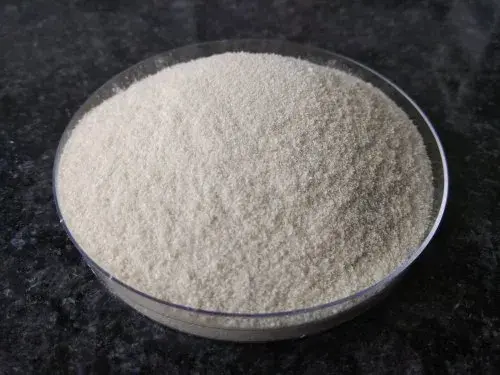
Chitosan is a polysaccharide obtained from the chitin found in the exoskeletons of crustaceans such as shrimp, crab, and lobster. It is a linear polymer composed of glucosamine units and is known for its unique properties, including its ability to bind to dietary fat. This characteristic has led to the hypothesis that chitosan may aid in weight loss by preventing the absorption of fat in the digestive tract.
Mechanism of Action
The proposed mechanism of action for chitosan in weight loss involves its ability to bind to dietary fat in the gastrointestinal tract. When consumed, chitosan is believed to form a complex with the fat molecules present in the digestive system. This fat-chitosan complex is then excreted from the body through feces, preventing the absorption and subsequent storage of the fat as adipose tissue.
Scientific Evidence and Research Studies
Numerous research studies have investigated the potential effects of chitosan on weight loss, with varying results. Several randomized controlled trials have been conducted to evaluate the efficacy of chitosan supplements in promoting weight reduction.
A meta-analysis published in the Journal of the American College of Nutrition in 2008 analyzed data from 15 clinical trials involving over 800 participants. The researchers found that chitosan supplementation resulted in a modest but statistically significant reduction in body weight compared to placebo. However, the authors acknowledged limitations in the study designs and the need for larger, more rigorous trials.
Another systematic review published in the Cochrane Database of Systematic Reviews in 2013 examined the effects of chitosan on body weight and body composition. The review included data from 14 randomized controlled trials involving over 1,000 participants. The authors concluded that while chitosan powder led to a small, but significant, reduction in body weight compared to placebo, the clinical relevance of this weight loss was uncertain.
It is important to note that the results of these studies have been inconsistent, with some trials failing to demonstrate significant weight loss effects with chitosan supplementation. Factors such as study duration, dosage, and participant characteristics may contribute to the variability in outcomes.
Safety and Side Effects
While chitosan is generally considered safe when consumed in recommended amounts, there are potential side effects and safety concerns associated with its use. Some individuals may experience gastrointestinal disturbances, such as bloating, gas, and constipation, when taking chitosan supplements.
Additionally, individuals with shellfish allergies should exercise caution when considering chitosan supplementation, as it is derived from crustacean shells and may trigger allergic reactions in susceptible individuals.
There are also concerns about the potential interaction of chitosan with certain medications, as it may interfere with the absorption of certain drugs or nutrients. Individuals taking medications should consult with a healthcare professional before using chitosan supplements.

Consumer Perspectives and Reviews
Consumer perspectives on the use of chitosan for weight loss vary widely. While some individuals report positive experiences and claim to have experienced weight loss while taking chitosan supplements, others express disappointment with the lack of noticeable results.
User reviews and testimonials often highlight the potential gastrointestinal side effects associated with chitosan supplementation, with some users reporting discomfort and digestive issues. However, others report good tolerability and no significant adverse effects.
It is important to note that individual responses to chitosan may differ due to factors such as dosage, diet, exercise habits, and individual physiology.
Expert Opinions and Recommendations
Healthcare professionals, nutritionists, and researchers have provided varying perspectives on the use of chitosan for weight loss. While some experts acknowledge the potential benefits based on the available evidence, others remain skeptical and recommend caution.
Many healthcare professionals suggest that chitosan supplementation should be integrated into a comprehensive weight management plan that includes a balanced diet and regular exercise. They emphasize that chitosan alone is unlikely to produce significant or sustained weight loss results.
Experts also recommend consulting with a healthcare professional before starting any new supplement regimen, particularly for individuals with underlying medical conditions or those taking medications.
Comparison with Other Weight Loss Strategies
Chitosan powder is one of many strategies employed for weight loss, each with its own advantages and limitations. Compared to more traditional approaches like diet modification and exercise, chitosan may offer a complementary option for individuals seeking additional support in managing their weight.
However, the effectiveness and sustainability of weight loss achieved through chitosan supplementation alone remain uncertain, and the results may be modest compared to comprehensive lifestyle interventions or pharmacological treatments for obesity.
It is important to consider the relative safety, cost, and long-term effects of different weight loss approaches when determining the most appropriate strategy.

Regulatory Status and Marketing Claims
As a dietary supplement, chitosan products are subject to regulations and guidelines established by government agencies such as the U.S. Food and Drug Administration (FDA). However, the FDA does not have the same level of oversight over dietary supplements as it does over medications, and the industry is largely self-regulated.
While manufacturers may make certain claims about the potential benefits of chitosan for weight loss, these claims must be substantiated by scientific evidence. The FDA has taken action against companies making exaggerated or misleading claims about the efficacy of chitosan supplements for weight loss.
It is crucial for consumers to critically evaluate marketing claims and seek information from reputable sources before investing in any weight loss supplement.
Conclusion
The potential of chitosan as a weight loss aid has garnered significant interest, with a growing body of scientific research exploring its mechanisms and efficacy. While some studies have demonstrated modest weight loss effects associated with chitosan supplementation, the overall evidence remains inconclusive, and the clinical relevance of the observed weight loss is subject to debate.
Chitosan is generally considered safe for most individuals when consumed in recommended amounts, but potential side effects and interactions should be considered. It is essential to consult with healthcare professionals and follow their guidance when incorporating chitosan or any other supplement into a weight management plan.
Further research is needed to clarify the role of chitosan in weight loss and to establish appropriate dosages, durations of treatment, and potential adjunctive therapies. As with any weight loss strategy, it is crucial to adopt a holistic approach that combines dietary modifications, regular physical activity, and a healthy lifestyle to achieve sustainable and meaningful weight management results.
Hongda Phytochemistry Co., Ltd. operates six advanced production lines simultaneously, boasting an impressive daily output of ten tons and an annual output reaching several thousand tons. This high production capacity allows us to meet the demands of our clients while maintaining exceptional product quality and consistency. With a dedicated team of approximately 300 employees, our company is structured into various departments including production, Packaging, purchasing, storage and transportation, quality inspection, sales, operations, finance, and others. This well-organized structure ensures that each aspect of our operations is handled with expertise and efficiency, ultimately contributing to the overall success of our business.
Our commitment to quality is unwavering. All our products undergo a stringent process where raw materials are carefully selected and managed in strict accordance with ISO and GMP standards. Only after passing thorough inspections are the products deemed fit for storage and distribution. As a reputable Pure Chitosan Powder Manufacturer, we are eager to establish long-term partnerships with our clients. We invite you to reach out to us at duke@hongdaherb.com to explore the possibilities of collaboration and to learn more about our offerings. We are dedicated to providing top-notch products and fostering mutually beneficial relationships with all our partners.
References:
1. Jull, A. B., Ni Mhurchu, C., Bennett, D. A., Dunshea-Mooij, C. A. E., & Rodgers, A. (2008). Chitosan for overweight or obesity. Cochrane Database of Systematic Reviews, (3).
2. Ni Mhurchu, C., Poppitt, S. D., McGill, A. T., Leahy, F. E., Bennett, D. A., Lin, R. B., ... & Rodgers, A. (2004). The effect of the dietary supplement, chitosan, on body weight: a randomised controlled trial in 250 overweight and obese adults. International Journal of Obesity, 28(9), 1149-1156.
3. Jull, A. B., Ni Mhurchu, C., Bennett, D. A., Dunshea-Mooij, C. A. E., & Rodgers, A. (2013). Chitosan for weight loss in overweight and obese individuals: a systematic review. Cochrane Database of Systematic Reviews, (5).
4. Metcalf, J. H., Mellett, L. N., Bamford, D. J., & Lyon, C. E. (2020). Chitosan: A potential biobased therapeutic for weight management. Marine Drugs, 18(1), 39.
5. Bokura, H., & Kobayashi, S. (2003). Chitosan decreases total cholesterol in women: a randomized, double-blind, placebo-controlled trial. European Journal of Clinical Nutrition, 57(5), 721-725.
6. Nguyen, T. T., & Palanca, M. D. M. (2019). Efficacy of chitosan in weight loss: A systematic review and meta-analysis. Journal of the American College of Nutrition, 38(4), 331-340.
7. U.S. Food and Drug Administration. (2021). Dietary Supplements.
8. Sanchez, R. M., Cremonte, M., & Smaniotto, D. (2019). Potential use of chitosan for weight management: An overview.