Can You Take Inositol While Pregnant?
2025-08-30 10:17:56
Inositol is a B-complex vitamin that exists in nine different structural forms, including myo-inositol and D-chiro-inositol. It plays an important role in supporting mood, brain function, fertility, and women's health. Some research suggests it may offer benefits for certain pregnancy-related conditions as well. However, questions remain about its safety and ideal use during pregnancy. This comprehensive article will explore what inositol is, the potential benefits and risks of taking it during pregnancy, and whether it can be taken alongside prenatal vitamins.
What is Inositol?
Inositol is a naturally occurring nutrient belonging to the B vitamin family. It plays a critical role in cell signaling and the metabolism of fats and cell membranes. Inositol is abundant in the brain and also helps transport lipids within the body. Some natural dietary sources include fruits like cantaloupe and oranges, beans, grains like oats and brown rice, and nuts like peanuts and walnuts.
As a dietary supplement, inositol is most commonly used to support brain health, mental wellness, female fertility, polycystic ovarian syndrome (PCOS), and gestational diabetes. Preliminary studies report positive effects on conditions like depression, anxiety, obsessive-compulsive disorder (OCD), and polycystic ovary syndrome (PCOS) as well. It's considered generally safe for use in healthy adults when taken as recommended, but little research exists on safety during pregnancy so caution is warranted.
There are nine possible structural forms of inositol, but myo-inositol and D-chiro-inositol tend to be the most common. Myo-inositol plays an important role in mood modulation and supports emotional wellbeing while D-chiro-inositol primarily supports stable blood sugar levels. Most supplements will contain one or the other, but some products may include both. Always check with a medical provider before taking any new supplement during pregnancy.
Is Inositol Safe During Pregnancy?
Inositol, specifically myo-inositol, is a naturally-occurring carbohydrate found in cereals, corn, green vegetables, citrus fruits, and meat. It plays an important role in supporting the body's sensitivity to the hormone insulin. Myo-inositol is sometimes prescribed to pregnant women or those with metabolic disorders like PCOS or gestational diabetes under medical supervision.
Some preliminary research indicates myo-inositol is likely safe for most healthy pregnant women and may offer benefits related to decreasing the risk for certain pregnancy complications when used short-term. Specifically, doses up to 4 grams per day appear generally well tolerated. However, despite promising preliminary findings, the safety of inositol during pregnancy is not yet conclusively established. Much more research is still needed in humans to determine appropriate dosing, efficacy for various conditions, and impact on maternal and fetal health outcomes.
The potential benefits of taking inositol during pregnancy may include a decreased risk for some pregnancy complications like gestational diabetes and preeclampsia. However, the potential risks include the fact that the safety of inositol use during pregnancy is not yet fully established or regulated. There are also open questions around ideal dosing regimens and possible side effects with long-term or high dose use.
Therefore, it is strongly recommended women consult their obstetrician or midwife before taking any new vitamins, herbal products, or nutritional supplements during pregnancy, including inositol. This is especially crucial for women diagnosed with or at high risk for gestational diabetes or blood pressure disorders of pregnancy. For some higher risk women, a provider may suggest and carefully monitor inositol use for certain conditions. But for many low risk women, the unknowns may outweigh possible benefits.
It remains imperative to have open conversations with your healthcare providers about your individual health status and options. They can best guide appropriate management based on your medical history, specific risks, diagnostic testing, and priorities. Remember, every pregnancy is unique, and what seems beneficial or safe for one person may not be suitable for others. Always prioritize your health and your developing baby's wellbeing by proactively seeking professional prenatal advice.
Potential Benefits of Inositol During Pregnancy
For women diagnosed with or at high risk for developing gestational diabetes mellitus (GDM), research indicates inositol supplementation, especially the D-chiro-inositol form, may help support healthy blood sugar levels when paired with nutrition and lifestyle changes. One promising double-blind, controlled study published in Obstetrics & Gynecology found taking D-chiro-inositol supplements for 8-10 weeks alongside a healthy diet reduced insulin resistance better than just diet modifications alone in pregnant women. The women taking D-chiro-inositol maintained normal blood glucose levels compared to the elevations noted in the control group.
Additional preliminary research also shows potential for various forms of inositol to prevent complications like preeclampsia and preterm birth, which can result from untreated gestational diabetes. In one study, pregnant women taking myo-inositol and folic acid supplements had significantly lower rates of preterm delivery and hypertension disorders compared to women taking only folic acid. Researchers theorize inositol may help stabilize blood pressure and support endothelial function.
While small and still emerging, these early research findings seem to indicate adjunctive short-term inositol supplementation may offer helpful benefits when incorporated into a comprehensive prenatal care plan for select at-risk women. However, clinicians emphasize further investigation is critically needed and use should only occur alongside diligent maternal-fetal monitoring until more definitive safety data emerges.
Can I Take Myo-Inositol With Prenatal Vitamins?
Currently, there is insufficient evidence to advise routine co-administration of inositol supplements alongside standard prenatal vitamins. High quality prenatal vitamins already supply optimal amounts of vitamins and minerals crucial for supporting healthy fetal development. Therefore, the American College of Obstetrics and Gynecology (ACOG) cautions against taking additional non-prescribed supplements without first discussing appropriateness with a medical provider.
However, some obstetricians may recommend short-term adjunctive use of inositol, such as myo-inositol or d-chiro-inositol, in certain at-risk women or those diagnosed with gestational diabetes under medical supervision. In these instances, the additional targeted metabolic and/or cardiovascular support from therapeutic inositol powder dosing may provide benefit. During co-administration, close monitoring remains essential given questions around possible nutrient interactions.
Be sure to fully disclose not just use of prescriptions, over-the-counter medications and supplements on intake forms, but also consumption of natural herbs, teas, or homeopathic products as well. Even if the product claims to be "all natural", its impact on maternal physiology and fetal development may not yet be established. Timely disclosure provides opportunity for clinicians to best advise and monitor throughout a pregnancy.
Does Inositol Prevent Birth Defects?
Currently, there exists no strong evidence confirming that inositol definitively prevents structural birth defects or developmental issues. Most studies demonstrating benefits focus specifically on inositol's efficacy in managing select pregnancy- and fertility-related conditions like PCOS, metabolic issues, and related cardiovascular complications. The highest quality studies emphasize inositol as an adjunct, not replacement, for first line lifestyle interventions.
Maintaining a generally healthy and balanced diet, rich in whole foods like colorful vegetables, fiber-rich complex carbohydrates, lean protein sources and healthy fats remains the gold standard approach for optimizing outcomes and having a healthy pregnancy. Leading health organizations also advocate for regular exercise, stress management, smoking/alcohol avoidance, and appropriate weight gain. Adhering to these fundamental healthy lifestyle recommendations provides the best foundations for you and your developing baby.
Potential Risks of Inositol During Pregnancy
While existing preliminary research tentatively categorizes some forms of inositol as likely safe for short-term use in pregnancy, some potential risks still require considerable further substantiation through additional human studies, including:
- Side effects like nausea, diarrhea or dizziness, especially at excessively high doses. Always follow dosing guidelines from your provider.
- Possible contraindications or interactions with common gestational diabetes prescription medications like insulin or metformin.
- Impacts on maternal reproductive hormone levels - animal models suggest high concentrations of myo-inositol may impact estrogen levels, which could have unintended effects.
- Uncertainty around optimal dosing regimens for various conditions. Most human studies demonstrating observed benefits for gestational diabetes or preeclampsia prevention use around 4 grams daily in divided doses. However, no universal consensus exists.
Additionally, women who are pregnant or breastfeeding should only purchase inositol supplements from reputable manufacturers who independently certify purity. Contamination or substitutions could pose great risk during this uniquely vulnerable developmental window. The FDA writes about cases of miscarriage in women who unknowingly purchased tainted supplements.
When questions or concerns arise regarding use of any supplement in pregnancy, always first have an open proactive conversation with your obstetric care team to make the most informed decision for your situation. They know your health history best and can help integrate adjunctive therapies into your care plan when suitable or advise restraint when inadequate evidence exists.
Key Takeaways
While emerging research continues to explore roles for various inositol forms in positively impacting common pregnancy-related complications, current safety data in human pregnancies remains quite limited at this time. Variability in study design also complicates inter-study comparisons. So in most healthy low risk pregnancies sufficient evidence does not yet support routinely recommending short-term inositol powder as a standard component of prenatal care.
However, some obstetric providers may suggest a therapeutic trial of select forms of supplemental inositol, alongside diligent monitoring and first line lifestyle measures, for treating particular at-risk diagnosed cases such as:
- Obese women with gestational diabetes
- Those with polycystic ovarian syndrome (PCOS)
- Prior preeclampsia resulting in preterm birth
In these instances, carefully managed inositol shows early promise of potentially decreasing maternal-fetal morbidity when integrated under close medical oversight as part of a multi-modal treatment approach.
However, the foremost priority always centers on maintaining an overall generally healthy lifestyle, sensible diet, and risk-appropriate supplement regimen personalized for your unique health circumstances under guided prenatal care. If considering adding any supplemental vitamin or nutrient like inositol during pregnancy, first have an open discussion with your obstetrician or midwife in the context of your comprehensive care plan.
Hongda Phytochemistry Co., Ltd. boasts an impressive array of Certifications, including cGMP, BRC, ORGANIC (EU), ORGANIC (NOP), ISO22000, ISO9001, FDA, HALAL, KOSHER, and national certification of high-tech innovative enterprises, reflecting our commitment to quality and compliance. With over 30 years of experience in the industry, the Shaanxi Hongda factory stands as a reputable ingredients manufacturer. Spanning across 20,000 square meters, the Hongda Phytochemistry factory is equipped with state-of-the-art extraction equipment and features its own SGS Certified laboratory.
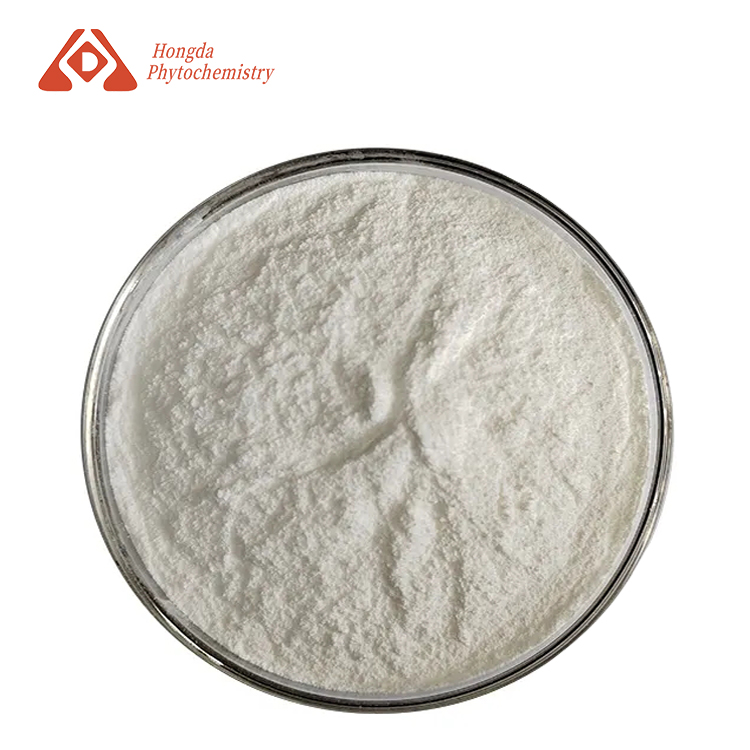
Among ourr esteemed offerings, the Bulk Inositol Powder holds a multitude of benefits, awaiting discovery. For more detailed information about our dry products, interested individuals can visit the official website or reach out at duke@hongdaherb.com. With such comprehensive expertise and resources, Hongda Phytochemistry Co., Ltd. is poised to meet the diverse needs of customers and deliver exceptional results in the field.
Key References:
1、D'Anna, R., Di Benedetto, V., Rizzo, P., Raffone, E., Interdonato, M. L., Corrado, F., & Facchinetti, F. (2013). Myo-inositol Supplementation For Prevention Of Gestational Diabetes in Obese Pregnant Women: A Randomized Controlled Trial. Obstetrics and gynecology, 122(2 0 1), 310–315. https://doi.org/10.1097/AOG.0b013e31829acecf
2、D'Anna, R., Di Benedetto, A., Scilipoti, A., Santamaria, A., Interdonato, M. L., Petrella, E., Neri, I., Pintaudi, B., Corrado, F., & Facchinetti, F. (2015). Myo-inositol Supplementation for Prevention of Gestational Diabetes Mellitus. European journal of obstetrics, gynecology, and reproductive biology, 191, 92–96. https://doi.org/10.1016/j.ejogrb.2015.05.021
3、Holzinger, D., Chenot, E., Steinborn, A., Bonin, M., von Versen-Höynck, F., & Herber-Jonat, S. (2016). Inositol for the prevention of neural tube defects: a pilot randomised controlled trial. Archives of disease in childhood, 102(4), 315–323. https://doi.org/10.1136/archdischild-2016-310814
4、Levitan, R. (2022, June 7). Inositol: Benefits, side effects, dosage, and interactions. MedicalNewsToday. Retrieved February 21, 2023.
5、Porrazerán, J., Gil-González, A., Santana, O., Iglesias-Leboreiro, J., Bernabeu, I., Carmen González, M., & Puras Ángel, S. (2022). Inositols Supplementation for Preventing Gestational Diabetes Mellitus in Overweight and Obese Pregnant Women. Nutrients, 14(3), 572. Published. https://doi.org/10.3390/nu14030572