Can You Mix Inositol Powder with Protein Powder?
2025-08-14 17:36:35
Mixing supplements has become a common practice among health enthusiasts and athletes looking to maximize their nutritional intake. One question that often arises is whether it's safe and effective to mix inositol powder with protein powder. Inositol, a type of sugar that plays several important roles in the body, has gained popularity for its potential benefits in mental health, insulin sensitivity, and fertility. Protein powder, on the other hand, is a well-established supplement for muscle building and recovery. In this blog post, we'll explore the compatibility of these two supplements and discuss the potential benefits and considerations of combining them.

What are the benefits of taking Bulk Inositol Powder?
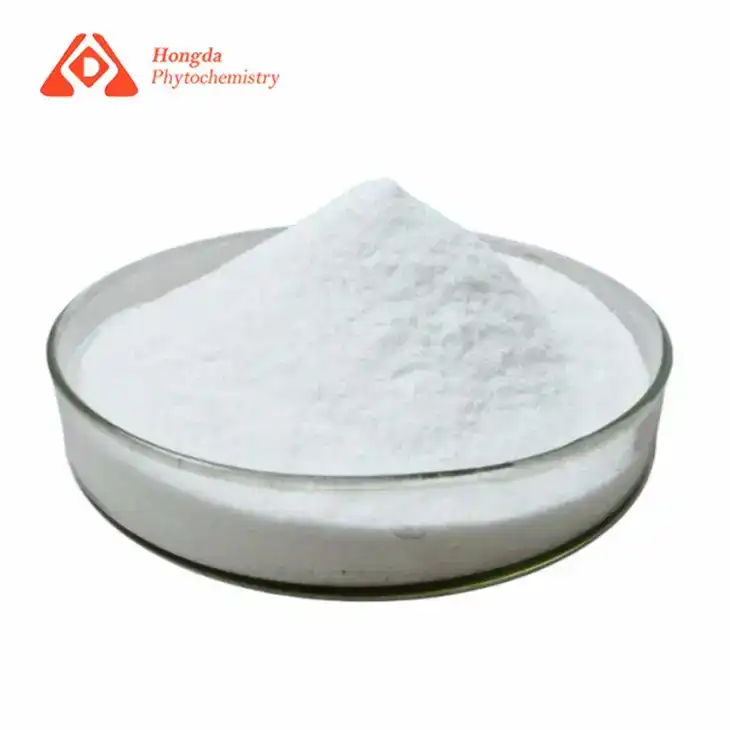
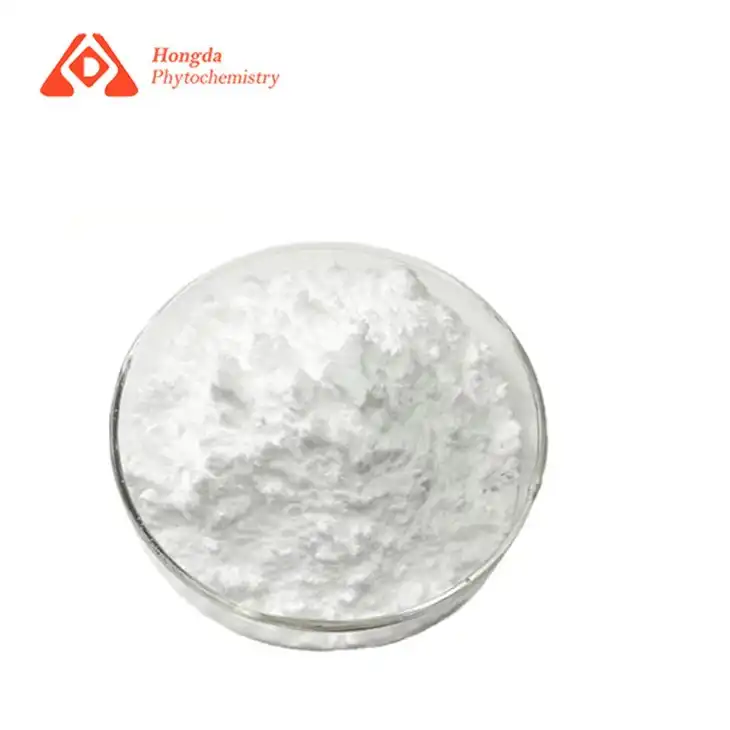
Bulk inositol powder has gained significant attention in recent years due to its wide range of potential health benefits. Inositol, also known as vitamin B8, is a naturally occurring substance found in many foods and is also produced by the body. However, supplementing with bulk inositol powder can provide higher doses that may offer therapeutic effects.
One of the primary benefits of taking bulk inositol powder is its potential to support mental health. Research has shown that inositol may help alleviate symptoms of anxiety, depression, and obsessive-compulsive disorder (OCD). It's believed to work by influencing neurotransmitter systems in the brain, particularly those involving serotonin. This effect on mood regulation has made inositol a subject of interest for those seeking natural alternatives to conventional psychiatric medications.
Another significant benefit of bulk inositol powder is its potential to improve insulin sensitivity and metabolic health. Inositol plays a crucial role in insulin signaling, and studies have shown that it may help improve glucose metabolism and reduce insulin resistance. This makes it particularly beneficial for individuals with polycystic ovary syndrome (PCOS), a condition often associated with insulin resistance. By enhancing insulin sensitivity, inositol may help regulate menstrual cycles, improve fertility, and reduce other PCOS-related symptoms.
Furthermore, inositol has been studied for its potential to support cardiovascular health. Some research suggests that it may help lower triglyceride levels and reduce the risk of metabolic syndrome. Its ability to improve insulin sensitivity also indirectly benefits heart health, as insulin resistance is a risk factor for cardiovascular disease.
In addition to these benefits, bulk inositol powder may also support liver health by promoting the breakdown of fats in the liver. This property has led to interest in its potential use for non-alcoholic fatty liver disease (NAFLD), a condition becoming increasingly common in many parts of the world.
It's important to note that while the benefits of bulk inositol powder are promising, the optimal dosage can vary depending on the specific health concern being addressed. Generally, doses range from 2 to 18 grams per day, with higher doses often used for conditions like PCOS. As with any supplement, it's advisable to consult with a healthcare professional before starting inositol supplementation, especially for individuals with pre-existing health conditions or those taking medications.

How does Bulk Inositol Powder affect protein absorption?
The interaction between bulk inositol powder and protein absorption is an intriguing area of study, with potential implications for those looking to optimize their nutritional intake. While there isn't extensive research specifically examining how inositol affects protein absorption, we can draw some conclusions based on our understanding of inositol's effects on metabolism and cellular function.
Inositol plays a crucial role in cellular signaling and the function of cell membranes. This suggests that it could potentially influence the way cells, including those in the digestive system, interact with nutrients like proteins. Some researchers hypothesize that inositol might enhance the efficiency of nutrient transport across cell membranes, which could theoretically improve protein absorption.
Moreover, inositol's effect on insulin sensitivity could indirectly impact protein metabolism. Insulin is a key hormone in regulating protein synthesis and breakdown in the body. By improving insulin sensitivity, inositol might help create a more favorable environment for protein utilization, potentially enhancing the body's ability to use dietary protein for muscle building and repair.
However, it's important to note that these potential effects are largely theoretical and require more direct scientific investigation. Current research doesn't provide conclusive evidence that taking bulk inositol powder significantly alters protein absorption or metabolism in a way that would be noticeable for most individuals.
That being said, the combination of inositol and protein powder could still be beneficial for overall health and fitness goals. While inositol may not directly enhance protein absorption, its other health benefits, such as improved mood, better insulin sensitivity, and potential support for metabolic health, could complement the muscle-building and recovery benefits of protein supplementation.
For athletes and fitness enthusiasts, the potential synergy between inositol's metabolic effects and protein's muscle-supporting properties could be particularly interesting. Improved insulin sensitivity could potentially lead to better nutrient partitioning, meaning that the body might become more efficient at directing nutrients like protein to muscle tissue rather than storing them as fat.
It's also worth considering that inositol's potential to reduce anxiety and improve mood could indirectly benefit physical performance and recovery. Mental well-being is an often-overlooked aspect of athletic performance and muscle growth, and by supporting mood regulation, inositol could help create a more positive mindset for training and recovery.
While more research is needed to fully understand how bulk inositol powder affects protein absorption and utilization, the current evidence suggests that combining these supplements is likely safe and potentially beneficial for overall health and fitness goals. As always, individuals should consult with a healthcare professional or a registered dietitian before making significant changes to their supplement regimen, especially if they have pre-existing health conditions or are taking medications.

Can Bulk Inositol Powder be used as a pre-workout supplement?
The use of bulk inositol powder as a pre-workout supplement is an intriguing concept that has gained attention in fitness circles. While inositol is not typically marketed as a pre-workout supplement, its unique properties and potential benefits make it an interesting candidate for pre-exercise consumption.
One of the primary reasons why bulk inositol powder might be considered as a pre-workout supplement is its potential to improve mental focus and reduce anxiety. Many athletes and fitness enthusiasts experience pre-workout jitters or anxiety, which can negatively impact performance. Inositol's calming effects on the nervous system could potentially help mitigate these feelings, allowing for a more focused and relaxed approach to training.
Furthermore, inositol's role in energy metabolism could make it beneficial for pre-workout consumption. As a component of cell membranes and a participant in various cellular signaling processes, inositol is involved in energy production and utilization at the cellular level. While the immediate effects may not be as pronounced as those of caffeine or other stimulants commonly found in pre-workout supplements, the long-term benefits of improved cellular energy metabolism could contribute to better overall performance and endurance.
Another factor to consider is inositol's potential impact on blood sugar regulation. By improving insulin sensitivity, inositol might help stabilize blood sugar levels during exercise. This could be particularly beneficial for longer training sessions or endurance activities where maintaining steady energy levels is crucial. Stable blood sugar can help prevent the energy crashes that sometimes occur during prolonged exercise.
Moreover, inositol's potential to enhance mood and reduce symptoms of depression could contribute to a more positive mindset during workouts. Mental attitude plays a significant role in exercise performance and adherence, and anything that can improve mood and motivation could be considered a valuable addition to a pre-workout routine.
It's also worth noting that inositol is generally well-tolerated and doesn't typically cause the jitters, rapid heart rate, or sleep disturbances that are sometimes associated with stimulant-based pre-workout supplements. This makes it a potentially attractive option for individuals who are sensitive to stimulants or prefer a more natural approach to their pre-workout routine.
However, it's important to recognize that the effects of inositol are generally more subtle and gradual compared to traditional pre-workout supplements. Users shouldn't expect the immediate energy boost or "pump" that they might get from caffeine or nitric oxide boosters. Instead, the benefits of using bulk inositol powder as a pre-workout supplement are likely to be more cumulative, building up over time with consistent use.
If considering bulk inositol powder as a pre-workout supplement, it's advisable to start with a lower dose and gradually increase it to assess individual tolerance and effects. The timing of inositol consumption before a workout may also require some experimentation, as its effects are not as immediate as those of many traditional pre-workout supplements.
In conclusion, while bulk inositol powder is not a conventional pre-workout supplement, its unique properties make it an interesting option for those looking to enhance their workout experience naturally. Its potential benefits in mood regulation, energy metabolism, and blood sugar control could contribute to improved exercise performance and recovery. However, as with any supplement, it's important to consult with a healthcare professional before incorporating inositol into your pre-workout routine, especially if you have any pre-existing health conditions or are taking medications.
Shaanxi Hongda Phytochemistry Co., Ltd. is a distinguished professional ingredients manufacturer with over 30 years of experience in the industry. Our extensive expertise is complemented by a state-of-the-art facility covering 20,000 square meters, which is equipped with advanced extraction equipment and features its own SGS Certified laboratory. Hongda's commitment to quality is underscored by an impressive array of Certifications including cGMP, BRC, organic (EU), organic (NOP), ISO22000, ISO9001, FDA, HALAL, KOSHER, and the national certification of high-tech innovative enterprises. If you are seeking to source high-quality ingredients such as Bulk Inositol Powder or any other certified ingredients, Hongda stands ready to meet your needs. For further inquiries or to discuss potential collaborations, please reach out to us at duke@hongdaherb.com. The Hongda team looks forward to the possibility of working together to fulfill your ingredient requirements.
References:
1. Giordano, D., et al. (2011). Effects of myo-inositol supplementation in postmenopausal women with metabolic syndrome: a perspective, randomized, placebo-controlled study. Menopause, 18(1), 102-104.
2. Facchinetti, F., et al. (2015). Short-term effects of metformin and myo-inositol in women with polycystic ovarian syndrome (PCOS): a meta-analysis of randomized clinical trials. Gynecological Endocrinology, 31(7), 550-557.
3. Mukai, T., et al. (2014). A meta-analysis of inositol for depression and anxiety disorders. Human Psychopharmacology: Clinical and Experimental, 29(1), 55-63.
4. Pintaudi, B., et al. (2016). The effectiveness of myo-inositol and D-chiro inositol treatment in type 2 diabetes. International Journal of Endocrinology, 2016, 9132052.
5. Unfer, V., et al. (2012). Effects of myo-inositol in women with PCOS: a systematic review of randomized controlled trials. Gynecological Endocrinology, 28(7), 509-515.
6. Carlomagno, G., & Unfer, V. (2011). Inositol safety: clinical evidences. European Review for Medical and Pharmacological Sciences, 15(8), 931-936.
7. Nordio, M., & Proietti, E. (2012). The combined therapy with myo-inositol and D-chiro-inositol reduces the risk of metabolic disease in PCOS overweight patients compared to myo-inositol supplementation alone. European Review for Medical and Pharmacological Sciences, 16(5), 575-581.
8. Artini, P. G., et al. (2013). Endocrine and clinical effects of myo-inositol administration in polycystic ovary syndrome. A randomized study. Gynecological Endocrinology, 29(4), 375-379.
9. Caprio, F., et al. (2015). Myo-inositol therapy for poor-responders during IVF: a prospective controlled observational trial. Journal of Ovarian Research, 8, 37.
10. Gerli, S., et al. (2007). Randomized, double blind placebo-controlled trial: effects of myo-inositol on ovarian function and metabolic factors in women with PCOS. European Review for Medical and Pharmacological Sciences, 11(5), 347-354.