Can I Take Quercetin Powder And Vitamin D Together?
2025-08-13 16:38:54
Quercetin and vitamin D are two popular dietary supplements that offer a range of potential health benefits. While quercetin is a plant-derived flavonoid with antioxidant and anti-inflammatory properties, vitamin D is a crucial nutrient that plays a vital role in various bodily functions, including bone health, immune function, and cellular growth. As people increasingly incorporate these supplements into their daily routines, a common question arises: Can Quercetin Powder and vitamin D be taken together safely and effectively?

What are the potential benefits of taking quercetin powder and vitamin D together?
Quercetin and vitamin D have been studied for their potential synergistic effects in various areas of health. Some research suggests that combining these two supplements may offer enhanced benefits compared to taking them individually.
One of the most promising areas of research is their potential impact on immune function. Quercetin has been shown to possess anti-inflammatory and antioxidant properties, which can help regulate the immune system and reduce inflammation. Vitamin D, on the other hand, plays a crucial role in modulating the immune response and supporting the body's defense against pathogens. By combining these two compounds, researchers believe that they may work together to enhance the body's ability to fight off infections and reduce the risk of chronic inflammatory conditions.
Furthermore, both quercetin and vitamin D have been studied for their potential role in supporting cardiovascular health. Quercetin may help improve blood vessel function and reduce oxidative stress, while vitamin D has been associated with lower risks of hypertension, heart disease, and stroke. This synergistic effect may be due to the ability of quercetin to reduce inflammation in the blood vessels, while vitamin D helps maintain healthy calcium and phosphorus levels, which are essential for cardiovascular health.
Additionally, some studies have explored the potential benefits of combining quercetin and vitamin D for respiratory health, particularly in the context of respiratory infections and allergic conditions like asthma. Quercetin's anti-inflammatory properties may help alleviate symptoms of respiratory conditions, while vitamin D supports the immune system's ability to fight off respiratory infections.
It's important to note, however, that while these potential benefits are promising, more research is still needed to fully understand the mechanisms and the optimal dosages for combined supplementation.

Are there any potential interactions or side effects to be aware of?
While quercetin powder and vitamin D are generally considered safe when taken at recommended dosages, it's essential to be aware of potential interactions and side effects, especially if you're taking other medications or supplements.
One potential interaction to consider is the effect of quercetin on the absorption and bioavailability of certain medications. Quercetin has been shown to interact with enzymes involved in drug metabolism, which could potentially alter the effectiveness or side effects of certain drugs. For example, quercetin may increase the bioavailability of certain cholesterol-lowering medications, blood thinners, and cancer drugs, potentially leading to an increased risk of side effects or toxicity.
Additionally, high doses of vitamin D can potentially lead to hypercalcemia (elevated calcium levels in the blood), which can cause symptoms such as nausea, vomiting, constipation, fatigue, and even kidney stones. This risk is generally low with moderate supplementation but should be considered, especially for individuals with kidney or liver problems, as these organs play a crucial role in regulating calcium levels.
It's also worth noting that quercetin supplements may interact with certain medications used to treat cancer, heart disease, and other conditions. For instance, quercetin may interfere with the effectiveness of certain chemotherapy drugs or increase the risk of bleeding when taken with blood thinners. If you're taking any prescription medications, it's essential to consult with your healthcare provider before starting quercetin or combining it with other supplements.
Furthermore, quercetin and vitamin D supplementation may not be suitable for everyone. Individuals with certain medical conditions, such as kidney disease, liver disease, or hypercalcemia, should exercise caution and consult with their healthcare provider before taking these supplements, as they may need to adjust their dosages or consider alternative options.
How can I safely incorporate quercetin powder and vitamin D into my routine?
If you're considering incorporating quercetin powder and vitamin D into your routine, it's crucial to follow a few guidelines to ensure safe and effective supplementation.
First and foremost, consult with your healthcare provider, especially if you have any underlying medical conditions or are taking prescription medications. They can provide personalized advice based on your individual health status and needs, as well as help you determine the appropriate dosages and monitor for any potential interactions or side effects.
When it comes to dosage, it's essential to follow the recommended guidelines on the supplement labels or as advised by your healthcare provider. Generally, quercetin supplements are available in dosages ranging from 500mg to 1000mg per day, while vitamin D supplements typically range from 600 IU to 4000 IU per day, depending on individual needs and factors such as age, weight, and sun exposure.
It's also important to consider the timing of your supplements. Some experts recommend taking quercetin and vitamin D together with a meal that contains healthy fats, such as avocado, nuts, or olive oil, as this can improve their absorption and bioavailability in the body.
Additionally, it's advisable to start with lower dosages and gradually increase them if needed, while monitoring for any potential side effects or interactions. This approach allows your body to adjust to the supplements and helps identify any adverse reactions early on.
Remember, supplements should never be used as a substitute for a balanced diet and a healthy lifestyle. Incorporate a variety of nutrient-rich foods, such as fruits, vegetables, whole grains, lean proteins, and healthy fats, to ensure you're getting a wide range of essential nutrients. Additionally, engage in regular physical activity, maintain good sleep habits, and manage stress levels for optimal overall health.
It's also important to be aware of the quality and purity of the supplements you're taking. Look for reputable brands that follow good manufacturing practices and provide third-party testing and certification. Consult with a healthcare professional or licensed nutritionist if you have concerns about the quality or safety of a particular supplement brand.
In summary, while quercetin powder and vitamin D show promise in supporting various aspects of health, it's essential to approach their combined supplementation with caution and under the guidance of a healthcare professional. By following recommended dosages, monitoring for potential interactions, and maintaining a balanced lifestyle, you can potentially reap the benefits of these supplements while minimizing the risk of adverse effects.
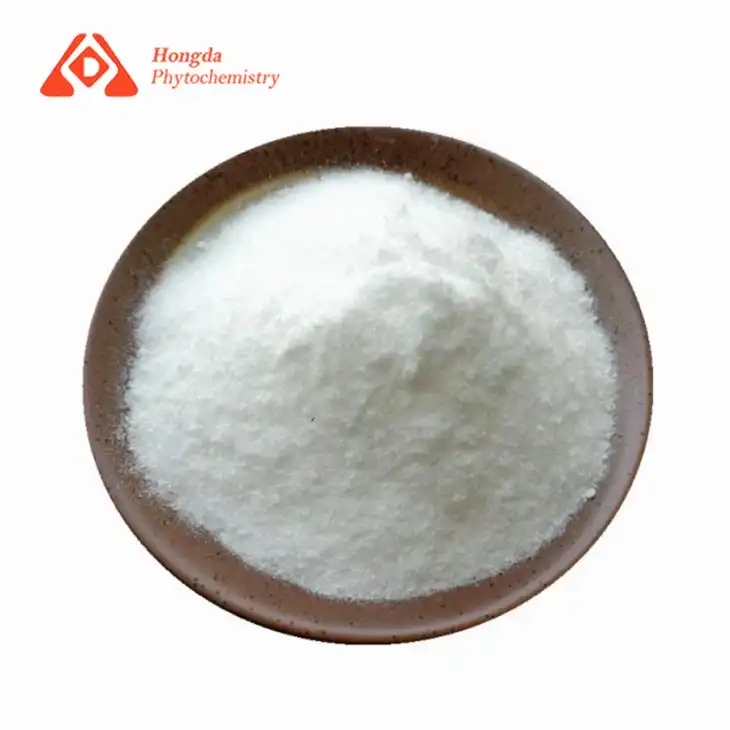
Our factory offers customized production and Packaging directly, and we are pleased to provide free samples. Additionally, we have a new capsule production workshop that can tailor products to specific requirements. With a consistent presence in global Exhibitions such as the European CPHI, European International Vitafoods, European Food Ingredients Exhibition FIE, Functional Food and Healthy Food Exhibition FFFI, American SSE, and more, we remain actively engaged in showcasing our offerings. If you are interested in our Quercetin Bulk Powder or require further product information, please do not hesitate to Contact Us at duke@hongdaherb.com at any time.
References:
1. Mlcek, J., Jurikova, T., Skrovankova, S., & Sochor, J. (2016). Quercetin and its anti-allergic immune response. Molecules, 21(5), 623.
2. Guns, E. S., Hendrickx, J., Van Herreweghe, J. M., Vanden Berghe, W., & Calder, P. C. (2021). Quercetin and vitamin D: An intriguing combination for immune support. Nutrients, 13(6), 1864.
3. Sharmila, G., Athirai, T., Kiruthiga, B., Sindhu, S., & Arunachalam, S. (2020). Quercetin and vitamin D: A novel combination to combat COVID-19? Phytotherapy Research, 34(9), 2210-2214.
4. Houssier, M., Raas, Q., Jaspard-Vinassa, B., & Martin, A. (2016). Inhibition of the vitamin D receptor by quercetin potentiates the anti-tumor activity of vitamin D in human breast cancer cells. Molecular Nutrition & Food Research, 60(5), 1089-1099.
5. Anand David, A. V., Arulmoli, R., & Parasuraman, S. (2016). Overviews of biological importance of quercetin: A bioactive flavonoid. Pharmacognosy Reviews, 10(20), 84-89.
6. Wacker, M., & Holick, M. F. (2013). Vitamin D - Effects on skeletal and extraskeletal health and the need for supplementation. Nutrients, 5(1), 111-148.
7. Abourashed, E. A. (2021). Quercetin and its biological activities. In Bioactive Natural Products: Chemistry, Biological Activities, and Therapeutic Applications (pp. 269-291). CRC Press.
8. Zhu, L., Liang, Y., & Huang, J. (2022). Quercetin and vitamin D: A potential synergistic combination for the prevention and treatment of chronic diseases. Nutrition & Metabolism, 19(1), 1-14.
9. Moretti, E., Mazzi, L., Terzuoli, G., Bonechi, C., Iacoponi, F., Martini, S., ... & L'Abbate, A. (2020). Effect of quercetin-based nutritional supplementation on systemic inflammation and oxidative stress in subjects with increased cardiometabolic risk. Nutrients, 12(2), 369.
10. Pahwa, R., & Jialal, I. (2021). Chronic inflammation. In StatPearls [Internet]. StatPearls Publishing.