Are Milk Thistle Extract Capsules Good for Liver Detox?
2026-04-22 15:02:31
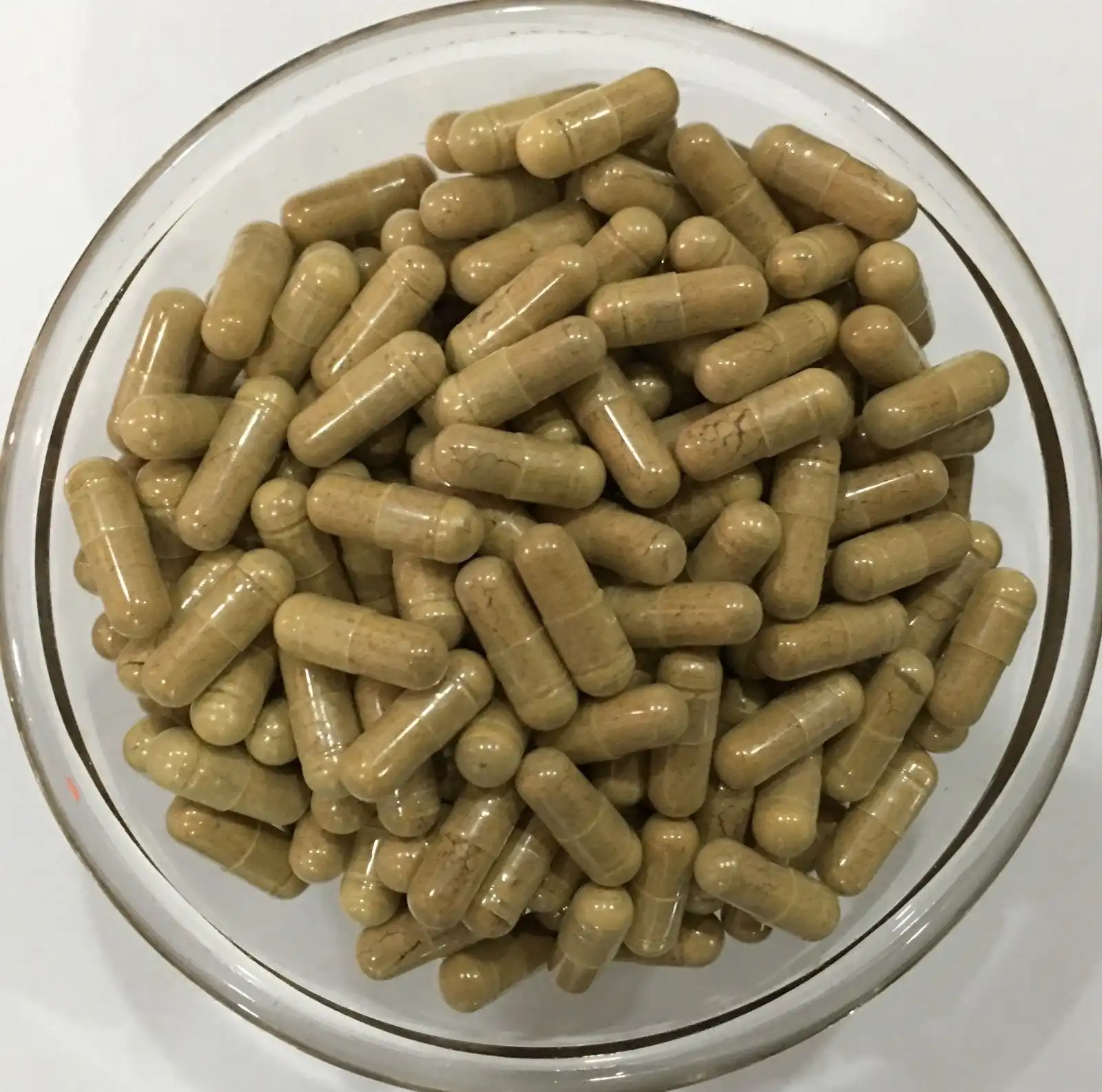
Milk thistle extract pills are a great way to clean out your liver. Milk Seed Thistle Extract Capsules have silymarin in them, which is a strong flavonoid complex that helps liver cells stay healthy, heal, and lowers oxidative stress. Standardized silymarin concentrations of 80% or higher have been shown in clinical studies to significantly improve liver function. Because they are more stable and bioavailable, capsules are the best way to deliver silymarin for both pharmaceutical and nutritional supplement markets.
Understanding Milk Thistle Extract Capsules and Their Role in Liver Detox
Milk thistle, also known as Silybum marianum, has been used to treat liver problems naturally for more than 2,000 years. The healing qualities of the plant come from silymarin, which is a group of flavonolignans that includes silybin A, silybin B, silychristin, and silydianin. Together, these chemicals protect hepatocytes from toxins, alcohol, and external pollutants while also increasing the production of proteins inside liver cells.
The Science Behind Silymarin's Hepatoprotective Mechanism
Silymarin protects liver health in a number of different biological ways. It is a strong antioxidant that stops lipid breakdown and gets rid of free radicals. This keeps cell membranes from getting damaged. According to studies published in hepatology journals, silymarin changes the shape of liver cell walls to stop toxins from getting through. It also increases the activity of RNA polymerase, which speeds up the healing of damaged liver tissue. The substance also has anti-inflammatory qualities because it stops the production of inflammatory cytokines and leukotrienes. The controlled extract form works better than raw seed powder at delivering concentrated active ingredients. Milk thistle seeds naturally have about 1% to 4% silymarin, but good extract pills have standardized amounts between 70% and 95%, which ensures that therapeutic doses are always the same. This standardization is very important in clinical situations where accurate delivery of active ingredients is needed to get expected results.
Distinguishing Extract Forms and Their Clinical Applications
Knowing the differences between pure extracts and whole seed capsules helps buyers choose the right goods for different groups of people. Whole seed capsules have naturally occurring silymarin levels in the form of ground milk thistle seeds, which makes them perfect for general wellness goods aimed at people who want to stay healthy. These items usually have lower prices and are good for people who want to save money. Concentrated extract pills, on the other hand, use special extraction methods with ethanol or supercritical CO2 to separate and concentrate silymarin. These pharmaceutical-grade versions offer therapeutic amounts in smaller serving sizes. This makes them perfect for nutraceutical brands that want to market goods that help the liver. During the extraction process, fiber and useless plant parts are taken out. This makes the capsules smaller while also making them more Milk Seed Thistle Extract Capsules absorbable.
Evidence-Based Dosage Guidelines for Optimal Efficacy
Clinical study makes it clear how much silymarin to take to treat different liver problems. Studies show that daily amounts of 140 to 210 mg of standardized silymarin (measured as silybin) are good for keeping the liver healthy in general. People with fatty liver disease or high liver enzymes may benefit from taking 210–420 mg daily, split up into two or three doses. Researchers have looked at amounts up to 600 mg per day under medical guidance for more serious conditions like viral hepatitis or cirrhosis. Absorption is also affected by timing issues. Since silymarin dissolves in fat, taking capsules with foods that contain good fats makes them more bioavailable. Some companies now use phytosome technology, which includes phospholipid groups that make absorption rates three to five times higher than with regular extracts. With this new technology, smaller doses can still be therapeutically effective, giving forward-thinking brands a chance to set their products apart.
Safety Profile and Contraindication Awareness
Milk thistle extract has a very good safety record based on clinical studies. Less than 1% of people who took it noted side effects. Most people who used it did fine with it. When bad responses do happen, they usually involve minor stomach problems like loose stools, nausea, or bloating that go away when the drug is stopped. People in certain groups need to pay attention to contraindications. Because milk thistle is related to ragweed, people who are allergic to ragweed may also be allergic to milk thistle. People who are sensitive to hormones should talk to their doctors because silymarin may have weak estrogenic effects. Women who are pregnant or breastfeeding shouldn't take milk thistle extract because there isn't enough safety information for these groups. Medications broken down by cytochrome P450 enzymes, especially substrates of CYP3A4 and CYP2C9, can combine with other drugs. This is why people who take more than one drug need to talk to a doctor.

Comparing Different Milk Thistle Extract Capsule Options for Procurement
When purchasing managers look at milk thistle pill providers, they find a lot of different products that have big effects on quality, marketability, and pricing. Knowing these differences helps you make smart buying choices that meet the needs of your target market and follow the rules.
Potency Standards and Bioavailability Considerations
The quantity of silymarin is the most important factor in evaluating a seller. Standard extracts have 70–80% silymarin in them, while high-end pharmaceutical-grade goods have 80–95%. Higher strength versions cost more, but they allow for fewer capsules per dose, which appeals to people who want ease and value. Bioavailability improvements set top makers apart from commodity providers. Traditional milk thistle products don't mix well with water and are only absorbed 20 to 40 percent of the time. These problems can be fixed in several ways by using advanced composition technologies. Micronization makes particles smaller, which increases their surface area and speed of breakdown. Phytosome complexes connect silymarin to phosphatidylcholine, which is like the shape of a cell membrane, and makes it easier for the body to absorb. Self-emulsifying delivery methods make oil-based structures that make it easier for fat-soluble compounds to be absorbed. Each technology increases the difficulty and cost of production, but it also makes absorption better in a way that makes it worth charging more for.
Organic Certification Impact on Market Positioning
In North America and Europe, where people are becoming more aware of pesticide residues and safe farming methods, organic approval is becoming more and more important in their buying choices. For the USDA and EU to certify milk thistle as organic, it must be grown without synthetic pesticides, herbicides, or chemical fertilizers, and authorized processors must use allowed solvents and methods for extraction. Organic approval usually makes the costs of raw materials 30–60% higher than those from regular sources, which has a direct effect on the price of the end product. But this spending opens up new markets with people who are willing to pay more for approved organic supplements. Retail data shows that organic liver support goods sell at 40–70% higher prices and keep moving quickly through natural food outlets and high-end e-commerce platforms. Organic positioning gives brands that are trying to reach health-conscious workers, wellness-focused youth, and European markets an edge over their competitors.
Evaluating Quality Benchmarks Through Certification and Testing
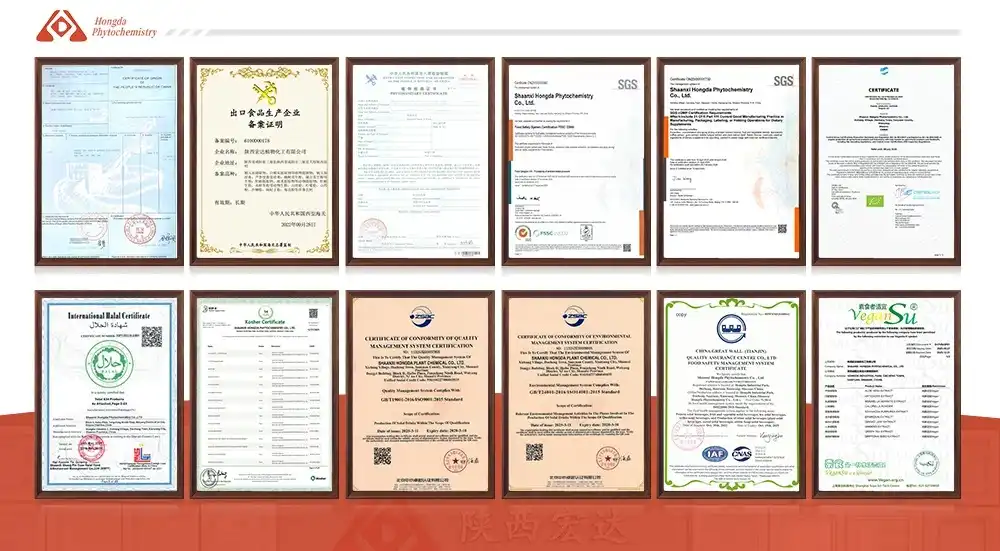
Third-party approvals send objective signs about quality that Milk Seed Thistle Extract Capsules lower buyer risk and boost brand trustworthiness. Regulatory groups that give GMP (Good Manufacturing Practice) certification make sure that producers follow standard production procedures, keep records, and do quality control tests. cGMP (current Good Manufacturing Practice) approval is necessary for sellers who want to work with pharmaceutical companies or make prescription-only products. Finished product testing confirms what the label says and makes sure it is safe. Suppliers you can trust give you Certificates of Analysis (CoA) from third-party laboratories that show the amount of silymarin in the product by using HPLC analysis, heavy metal testing that shows it meets USP limits, microbial testing that shows it doesn't contain any pathogens, and pesticide residue testing that meets EPA standards. Suppliers who offer SGS approval or another type of third-party validation show that they care about quality, security, and being open and honest.
Strategic Pricing and MOQ Considerations for Bulk Procurement
Different milk thistle extract providers have very different minimum order amounts and price systems, which can be good and bad for distributors and OEM customers. Most of the time, sellers of commodities need MOQs of 100 to 500 kg of bulk extract powder. This is fine for known supplement makers whose demand is predictable. Finished capsule goods usually have smaller MOQs, between 5,000 and 50,000 units. This means that new names and private label distributors can get them. With volume-based price tiers, bigger promises lead to big cost cuts. The price of bulk extract could be between $48 and $45 per kilogram for small orders, and $25 to $45 per kilogram for orders over 500 kg. Prices for finished capsules are similar. Orders of 5,000 to 10,000 units cost $8 to $15 per 100-count bottle, while orders of 50,000 units or more cost $4 to $8 per bottle. Cost-cutting alone is not enough; quality must also be taken into account. The cheapest sellers usually offer general extracts that don't have any silymarin in them, don't work the same way from batch to batch, or have added substances or contaminants in them. Instead of just looking at the price, buyers should think about the total cost of quality, which includes the risk of governmental compliance, customer returns, and damage to the brand.
The Strategic Value of Milk Thistle Extract Capsules in B2B Supply Chains
The demand for liver health products keeps going up around the world. This is because more people are getting non-alcoholic fatty liver disease, drinking more alcohol, and becoming more aware of environmental toxins. According to market data, the category of liver health supplements rose at an annual rate of 8.2% from 2019 to 2024, and growth is expected to continue through 2030.
Private Label Opportunities in Expanding Markets
Retailers, practitioners, and internet marketers who want to offer unique products without having to spend a lot of money on production can benefit from private label supplement programs. Milk thistle capsules are a great private label product because people know a lot about them, there is a study that shows they work, and they are clearly positioned in the liver health market. For private label partnerships to work, the provider needs to be able to do more than just make things. Leading sellers offer a wide range of services, such as help with formulating, designing labels, following regulations, and marketing materials. Customization options give brands a way to stand out by using organic certification, better absorption technologies, or ingredient mixtures that work well together, like milk thistle with artichoke, dandelion root, or alpha-lipoic acid. Packaging choices have a big effect on how people see a brand and where it stands in the market. Stock bottle programs with custom labels have the quickest time-to-market and the lowest original investment. They are good for testing the market or putting out a small number of bottles. Premium placement is achieved through custom bottle designs, embossed logos, and unique closures, but these come with higher MOQs and longer lead times. Pharmaceutical outlets and European markets that use unit-dose forms like blister packaging.
Critical Supplier Selection Criteria for Risk Mitigation
Brand reputation and customer happiness are directly affected by how reliable the supply chain is. This is why it is important to carefully evaluate suppliers before making partnership agreements. In addition to prices and Certifications, there are a number of practical factors that should be looked into when evaluating a seller. Suppliers can support growth paths if they have the production capacity and agility to do so. Buyers should check the capabilities of the tools, the availability of the production line, and the usual wait times during busy times. When suppliers run multiple production lines with backup equipment, they lower the risk of interruptions caused by technical problems or repair needs. How you handle your inventory affects how much stock you have and how reliably you can fill orders. When suppliers keep extra bulk materials and popular packaging parts on hand, they can respond faster to reorders and sudden rises in demand. People who only use make-to-order models may have to wait when there aren't enough raw materials or when there are problems in the supply chain. Communication responsiveness and the quality of technical help are what set great partners apart from transactional providers. North American and European clients can work together more easily with suppliers who hire account managers who speak English well and know their stuff. Being available across time zones, ready to provide proof, and taking the initiative to solve problems show a partnership attitude versus a simple order fulfillment mindset.
Quality Assurance Frameworks and Traceability Systems
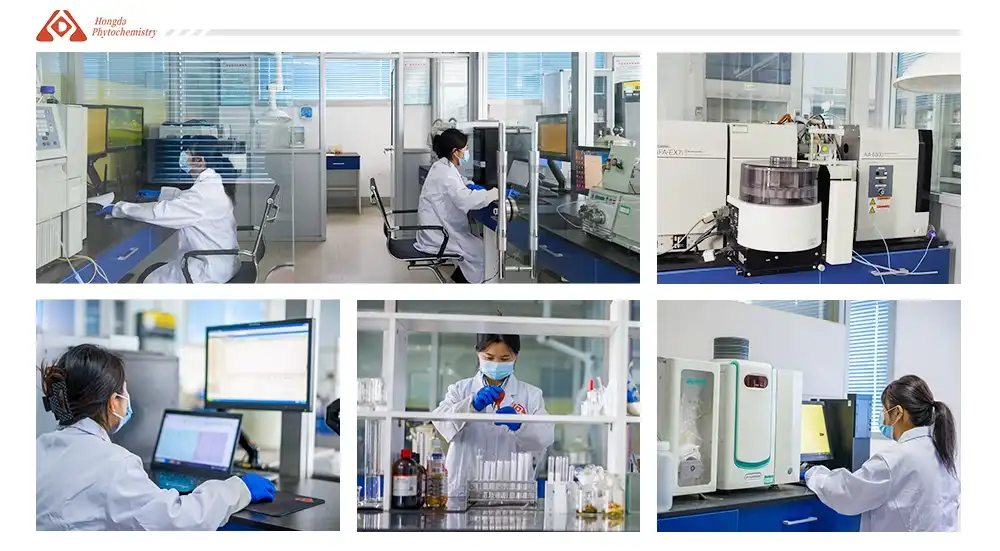
Buyers are protected from quality problems and legal violations by clear sources and thorough testing methods. Leading providers keep thorough records of where their raw materials come from, how they were extracted, the results of tests, and where they were distributed. During regulatory checks, customer questions, or quality probes, this paperwork is very important. Standardized production methods and strong quality control checkpoints are needed for consistency from batch to batch. Suppliers should use HPLC fingerprints and other methods to check the identity of arriving raw materials. They should also test during extraction and encapsulation, and test the finished product before releasing it. Statistical process control methods find trends before they lead to batches that don't meet specifications. In addition to documents of analysis made by the seller, third-party validation through independent laboratory testing gives you even more peace of mind. Some buyers use dual testing programs, where they do their own tests on random samples to make sure that what the seller says is true. This method is especially important when working with new suppliers or joining markets that are controlled and have strict quality standards.
Practical Guidance for Using Milk Thistle Extract Capsules in Liver Detox Programs
Including milk thistle pills in full liver support plans makes Milk Seed Thistle Extract Capsulesso that the treatments work better and makes customers happier. Even though silymarin has a lot of benefits on its own, using multiple cleansing methods together can get better results for a wide range of clients.
Complementary Detoxification Strategies and Ingredient Combinations
There are two main stages of liver cleansing, and each one needs a different set of nutrients. Through cytochrome P450 enzyme processes, phase I detoxification changes toxins that dissolve in fat into intermediate chemicals. During Phase II conjugation processes, these intermediates are changed into molecules that can dissolve in water and be eliminated. Milk thistle mostly helps with Phase II cleansing by making more glutathione and protecting cells from damage caused by free radicals. Full detox plans combine milk thistle with nutrients that work well with it to help with both stages. N-acetylcysteine (NAC) gives the body cysteine for making glutathione, which improves its ability to detoxify. Alpha-lipoic acid is an antioxidant that protects cells even more and regenerates vitamins C and E. Vitamins in the B complex work with enzymes in Phases I and II to make them work. Vitamin C and selenium help glutathione peroxidase work, which increases the defense provided by antioxidants. Herbal combinations work better together because they affect more than one part of liver health. Artichoke extract increases the production of bile, which helps the body get rid of toxins through the digestive system. Dandelion root helps the kidneys work better by making you pee more and giving you antioxidants. Curcumin in turmeric powder is a strong anti-inflammatory that works well with Milk Seed Thistle Extract Capsules, silymarin's liver-protecting effects.
Tailoring Recommendations for Diverse End-User Populations
Different types of customers need different kinds of advice that is based on their health goals, living factors, and risk profiles. Athletes and fitness fans who are worried about liver stress caused by supplements can use milk thistle as a protective measure during hard training rounds or times of supplement loading. Supplementation should start two weeks before starting a supplement program and should continue during the whole time the supplement is being used. People who drink alcohol for fun and want to protect their livers while doing so can take milk thistle as a preventative measure. Taking 300–600 mg of a standardized extract two to three hours before drinking and again before bed may help lower the oxidative stress that drinking causes. But the message should make it clear that milk thistle doesn't stop people from getting drunk, being impaired, or having health problems linked to alcohol that go beyond protecting the liver. People who have been diagnosed with liver problems need to be closely watched by a doctor and should not see milk thistle as an alternative to regular treatment. For diseases like fatty liver disease, hepatitis, and cirrhosis, research supports using it in addition to normal medical care. However, patients should talk to their doctors about possible drug interactions and how to best coordinate their treatment.
Monitoring Outcomes and Optimizing Product Positioning
Systematic feedback collection helps brands improve how their products are made, how they tell people how to use them, and how they write their marketing messages based on real-world results. Structured review request campaigns, email sequences after a purchase, and customer happiness polls can all help you get useful usage data and testimonials. In addition to subjective comments, objective result measures add to the credibility of a product. Customers are encouraged to check their liver enzyme levels (ALT, AST, and GGT) through regular blood tests. This gives measurable proof that the product works. Brands can make teaching material that talks about normal ranges, how long it usually takes to get better, and how important it is to do baseline tests before starting supplements. User-generated material that shows off individual experiences makes marketing more effective and helps build a community around a brand's goods. Using private Facebook groups for product users, pushing customers to share their liver health trips on social media, and including customer success stories in email marketing are all real ways to connect with people and increase conversion rates.
Conclusion
There are a lot of clinical study that shows silymarin can protect the liver, which backs up the idea that milk thistle extract pills can help clean out the liver. The standard capsule shape is the best way for quality-focused supplement makers to send their products because it provides better bioavailability, exact dosing, and greater stability than other delivery methods. To ensure the quality of the products and the dependability of the supply chain, business-to-business buyers must evaluate sellers based on a wide range of factors, such as the concentration of silymarin, third-party certifications, manufacturing skills, and the ability to make changes. As people around the world become more aware of liver health, forward-thinking brands can take advantage of growing market possibilities by forming smart partnerships with certified manufacturers. These partnerships allow brands to offer real health benefits to end users.
FAQ1. Is milk thistle safe during pregnancy and breastfeeding?
Due to a lack of safety studies in these groups, doctors currently advise against taking milk thistle extract while pregnant or breastfeeding. Traditional use suggests a low risk, but controlled studies have not yet set safety ratings for nursing babies or growing fetuses. Before taking any herbal supplements, including milk thistle products, women who are pregnant, hoping to become pregnant, or who are nursing should talk to their doctors.
2. What dosage of milk thistle extract is optimal for liver detoxification?
210 to 600 mg of standardized silymarin every day, usually split into two or three doses and taken with meals, has been shown to work in clinical tests. For maintaining liver health in general, 210–300 mg per day is enough for most people. People who have fatty liver disease, high liver enzymes, or have been exposed to hepatotoxins may benefit from taking 420 to 600 mg every day. To be sure of constant potency, always choose goods that are standardized to contain between 70 and 80% silymarin.
3. How does milk thistle compare to other liver support supplements?
Milk thistle is still the most studied plant for liver health, with more than 1,000 studies showing how it works and what effects it has on patients. Alternatives like artichoke, dandelion, and turmeric are good for the liver, but none of them have as much study behind them as milk thistle. Many health professionals suggest mixed recipes that have milk thistle as the main ingredient and other liver-supporting herbs to help with different parts of the liver's function.
Partner with a Trusted Milk Thistle Extract Capsules Manufacturer
Hongda provides pharmaceutical-grade milk thistle solutions that are specifically designed to meet the needs of nutraceutical brands, pharmaceutical companies, and cosmetic makers who are looking for trusted extract providers. Our Milk Seed Thistle Extract Capsules have uniform silymarin concentrations above 80%, which was confirmed by HPLC analysis. This makes sure that every batch of production is the same amount of effective. With cGMP-certified factories, SGS-verified quality systems, and a wide range of certifications, such as FDA registration, HALAL, KOSHER, and ORGANIC, we can give your markets the proof of compliance they need.
We accept T/T, VISA, XTransfer, and Alipay as forms of payment for foreign purchases. Our extensive logistics network includes shipping via DHL, FedEx, TNT, EMS, sea freight, and air freight to ensure on-time delivery, no matter how many orders we receive. Our team is available 24 hours a day to answer technical questions, give regulatory advice, and coordinate the supply chain. Our MOQs are meant to work for both new brands and existing distributors. Get in touch with our purchasing agents at duke@hongdaherb.com to talk about your milk thistle extract pill needs and find out why top brands trust Hongda to build their liver health products.
References
1. Abenavoli, L., Capasso, R., Milic, N., & Capasso, F. (2010). Milk thistle in liver diseases: past, present, future. Phytotherapy Research, 24(10), 1423-1432.
2. Flora, K., Hahn, M., Rosen, H., & Benner, K. (1998). Milk thistle (Silybum marianum) for the therapy of liver disease. The American Journal of Gastroenterology, 93(2), 139-143.
3. Polyak, S. J., Morishima, C., Lohmann, V., Pal, S., Lee, D. Y., Liu, Y., & Graf, T. N. (2010). Identification of hepatoprotective flavonolignans from silymarin. Proceedings of the National Academy of Sciences, 107(13), 5995-5999.
4. Post-White, J., Ladas, E. J., & Kelly, K. M. (2007). Advances in the use of milk thistle (Silybum marianum). Integrative Cancer Therapies, 6(2), 104-109.
5. Saller, R., Meier, R., & Brignoli, R. (2001). The use of silymarin in the treatment of liver diseases. Drugs, 61(14), 2035-2063.
6. Wellington, K., & Jarvis, B. (2001). Silymarin: a review of its clinical properties in the management of hepatic disorders. BioDrugs, 15(7), 465-489.





YOU MAY LIKE