Are L-Carnitines Better As Pills Or Powders?
2025-08-21 17:30:56
L-carnitine is a popular supplement known for its potential benefits in weight management, exercise performance, and overall health. As more people become interested in incorporating L-carnitine into their daily routines, a common question arises: Is L-carnitine better as a pill or powder? This article will explore the pros and cons of both forms, helping you make an informed decision about which option might be best for your needs.

What are the differences between L-carnitine powder and pills?
L-carnitine powder and pills are two common forms of this supplement, each with its own set of advantages and considerations. Understanding the differences between these two forms can help you choose the one that best fits your lifestyle and health goals.
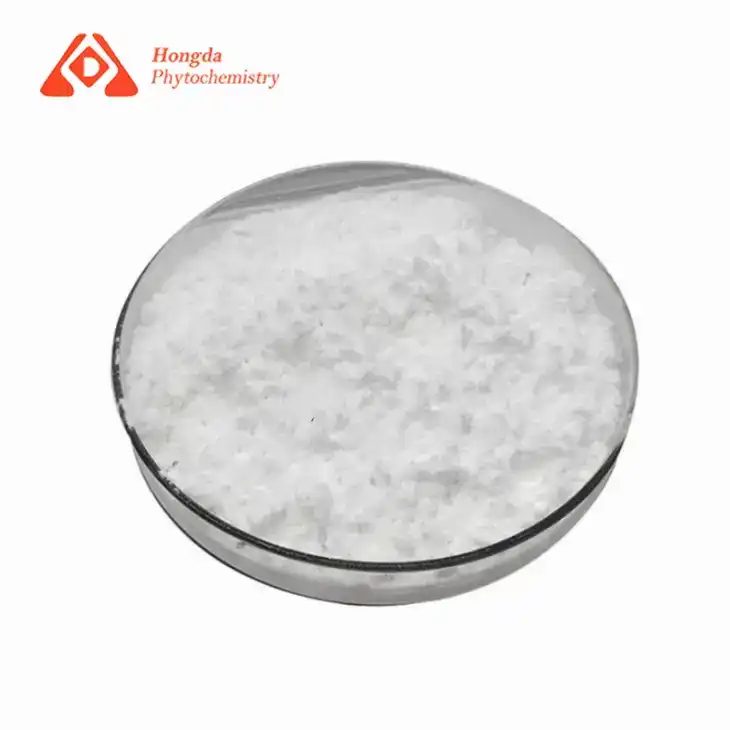
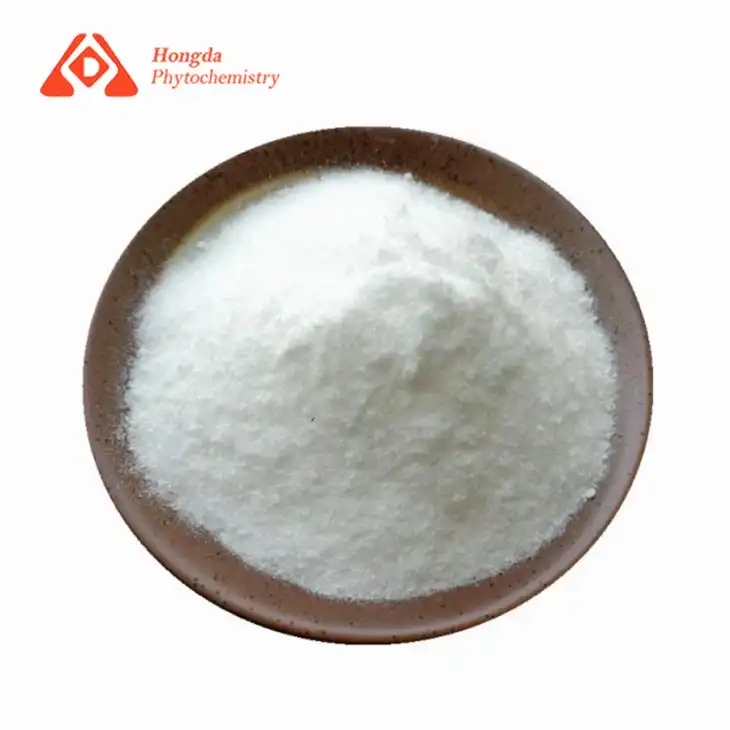
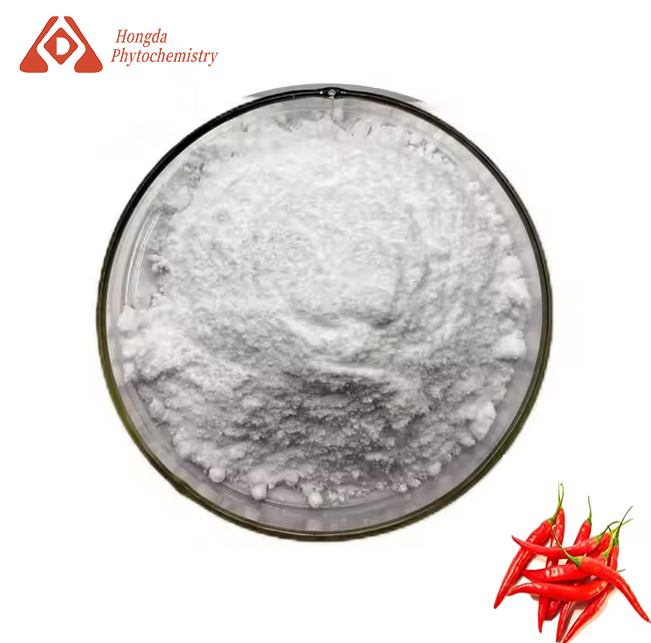
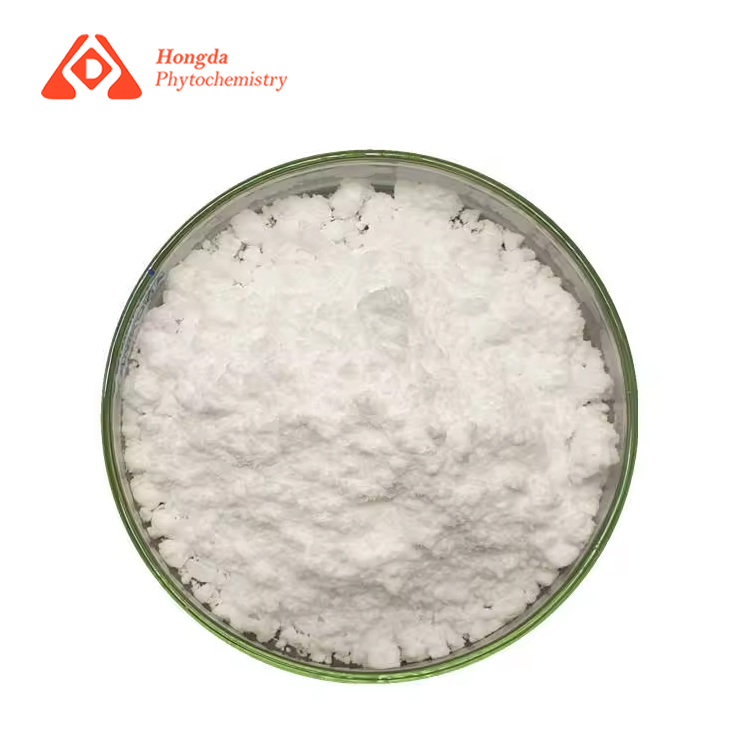
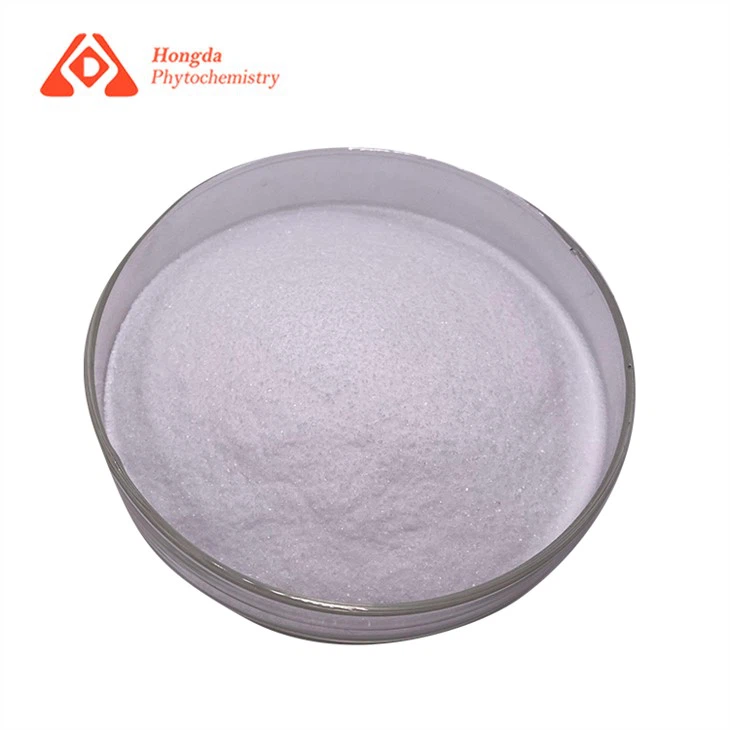
L-carnitine powder is typically a fine, granular substance that can be mixed with liquids or added to foods. It offers greater flexibility in dosing and is often preferred by those who have difficulty swallowing pills. The powder form allows for easy incorporation into smoothies, protein shakes, or other beverages, making it convenient for those who already have a routine of consuming such drinks.
On the other hand, L-carnitine pills come in pre-measured doses, usually in the form of capsules or tablets. They offer the advantage of precise dosing and convenience, especially for those who are always on the go. Pills are also tasteless, which can be a benefit for those who find the flavor of L-carnitine powder unpleasant.
When it comes to absorption, some studies suggest that L-carnitine in liquid form (which can be achieved by dissolving the powder in water) may be absorbed more quickly than pills. This is because liquids don't need to be broken down in the digestive system before the nutrients can be absorbed. However, the overall bioavailability of L-carnitine is generally similar between powder and pill forms when taken consistently over time.
Cost can be another factor to consider. In some cases, L-carnitine powder may be more cost-effective, especially when bought in bulk. However, this can vary depending on the brand and quality of the supplement.
Ultimately, the choice between L-carnitine powder and pills often comes down to personal preference, lifestyle factors, and individual health needs. Some people may find that they prefer the versatility of powder, while others appreciate the convenience of pills. It's also worth noting that some individuals may switch between the two forms depending on their situation or daily routine.
How does L-carnitine powder affect absorption and bioavailability?
The absorption and bioavailability of L-carnitine are crucial factors in determining its effectiveness as a supplement. When considering L-carnitine powder, it's important to understand how this form may impact these aspects.
L-carnitine powder, when mixed with water or another liquid, creates a solution that can be quickly absorbed in the gastrointestinal tract. This liquid form allows for a larger surface area of contact with the intestinal lining, potentially leading to faster initial absorption compared to solid pill forms.
The bioavailability of L-carnitine powder can be influenced by several factors. One key aspect is the presence of food in the stomach. Some studies suggest that taking L-carnitine with a meal, especially one containing carbohydrates, can enhance its absorption. This is because carbohydrates stimulate the release of insulin, which can help facilitate the transport of L-carnitine into cells.
Another factor affecting bioavailability is the dosage. L-carnitine powder allows for more flexible dosing, which can be beneficial for optimizing absorption. Smaller, more frequent doses throughout the day may lead to better overall absorption compared to a single large dose.
The powder form also allows for sublingual administration, where the supplement is held under the tongue for a short period before swallowing. This method may increase absorption rates by allowing some of the L-carnitine to enter the bloodstream directly through the mucous membranes in the mouth, bypassing the digestive system.
However, it's important to note that the body tightly regulates L-carnitine levels, and excess amounts are typically excreted in urine. This means that regardless of the form, there's a limit to how much L-carnitine the body can effectively use.
When comparing the bioavailability of L-carnitine powder to pills, research shows that both forms are generally well-absorbed. The powder form may have a slight edge in terms of initial absorption rate, but over time, with consistent supplementation, the overall bioavailability tends to equalize between the two forms.
It's also worth considering that L-carnitine powder can be more easily combined with other supplements or nutrients that may enhance its absorption. For example, some users mix L-carnitine powder with alpha-lipoic acid or certain B vitamins, which are thought to potentially improve its effectiveness.

What are the recommended dosages for L-carnitine powder?
Determining the right dosage of L-carnitine powder is crucial for maximizing its benefits while minimizing potential side effects. The recommended dosage can vary depending on factors such as age, health status, and specific health goals.
For general health and wellness, a typical daily dosage of L-carnitine ranges from 500 to 2,000 mg. This range is considered safe and effective for most healthy adults. However, it's important to start with a lower dose and gradually increase it to assess your body's response and tolerance.
For athletic performance and exercise recovery, some studies have used higher doses, ranging from 2,000 to 4,000 mg per day. These higher doses are often split into multiple servings throughout the day to maintain consistent blood levels of L-carnitine.
When using L-carnitine powder for weight management, dosages typically fall within the 1,000 to 3,000 mg per day range. Some research suggests that these doses may help support fat metabolism, especially when combined with regular exercise and a balanced diet.
It's crucial to note that the effectiveness of L-carnitine supplementation can depend on an individual's carnitine status. Those with lower baseline levels of carnitine, such as vegetarians or older adults, may benefit from higher doses compared to those with adequate levels.
The powder form of L-carnitine allows for more precise dosing compared to pills. This can be particularly beneficial for those who need to adjust their intake based on their response or changing health needs. For example, someone starting with a 500 mg dose can easily increase it by small increments using powder, whereas pills often come in fixed doses.
When using L-carnitine powder, it's recommended to divide the daily dose into two or three servings. This approach helps maintain more stable blood levels of L-carnitine throughout the day. For instance, a daily dose of 2,000 mg could be split into two 1,000 mg servings, one in the morning and one in the evening.
Timing can also play a role in optimizing the effects of L-carnitine powder. Some research suggests that taking L-carnitine before or during a meal may enhance its absorption. Additionally, for those using L-carnitine to support exercise performance, taking a dose about 30 minutes before working out may be beneficial.
It's important to remember that while L-carnitine is generally considered safe, excessive doses can lead to side effects such as nausea, vomiting, stomach cramps, and diarrhea. Therefore, it's always advisable to consult with a healthcare professional before starting any new supplement regimen, especially if you have pre-existing health conditions or are taking medications.
In conclusion, whether you choose L-carnitine in powder or pill form, the key is to find a method that fits your lifestyle and health goals. Both forms have their advantages, and the best choice often comes down to personal preference and individual needs. Powder offers flexibility in dosing and ease of mixing with other supplements or foods, while pills provide convenience and precise dosing. Regardless of the form you choose, consistent use and proper dosing are crucial for experiencing the potential benefits of L-carnitine supplementation. Always remember to start with lower doses, listen to your body, and consult with a healthcare professional to determine the best approach for your individual needs.
Hongda Phytochemistry Co., Ltd. stands out in the competitive landscape due to several distinctive advantages. We have established a strong presence on the global stage through our long-term participation in prominent Exhibitions such as CPHI in Europe, Vitafoods International, FIE (Food Ingredients Europe), FFFI (Functional Food and Health Food Expo), and SSE in America. These platforms enable us to showcase our extensive range of products, including sports supplements where we maintain a significant price advantage.
Our commitment to quality is unwavering. All our products undergo rigorous screening from raw materials and are manufactured and managed in strict accordance with ISO and GMP standards. Only after passing meticulous inspection do our products qualify for storage and distribution. This adherence to quality assurance ensures that every product leaving our facility meets the highest industry standards.
Furthermore, Hongda Phytochemistry Co., Ltd. offers comprehensive OEM/ODM processing capabilities, allowing us to tailor products to meet specific client requirements. Whether it's Bulk L-Carnitine Powder or other nutritional supplements, our manufacturing prowess and commitment to excellence make us a trusted partner in the industry.
Prospective partners are encouraged to Contact Us at duke@hongdaherb.com to explore how we can collaborate for mutual success. We look forward to forging productive partnerships and delivering exceptional products that exceed expectations.
References:
1. Fielding, R., et al. (2018). L-Carnitine Supplementation in Recovery after Exercise. Nutrients, 10(3), 349.
2. Gnoni, A., et al. (2020). L-carnitine: An antioxidant remedy for the survival of cardiomyocytes under hyperglycemic condition. Journal of Cellular Physiology, 235(1), 61-68.
3. Pooyandjoo, M., et al. (2016). The effect of (L-)carnitine on weight loss in adults: a systematic review and meta-analysis of randomized controlled trials. Obesity Reviews, 17(10), 970-976.
4. Sahlin, K. (2011). Boosting fat burning with carnitine: an old friend comes out from the shadow. The Journal of Physiology, 589(7), 1509-1510.
5. Stephens, F. B., et al. (2013). Skeletal muscle carnitine loading increases energy expenditure, modulates fuel metabolism gene networks and prevents body fat accumulation in humans. The Journal of Physiology, 591(18), 4655-4666.
6. Wall, B. T., et al. (2011). Chronic oral ingestion of L‐carnitine and carbohydrate increases muscle carnitine content and alters muscle fuel metabolism during exercise in humans. The Journal of Physiology, 589(4), 963-973.
7. Brass, E. P. (2000). Supplemental carnitine and exercise. The American Journal of Clinical Nutrition, 72(2), 618S-623S.
8. Karlic, H., & Lohninger, A. (2004). Supplementation of L-carnitine in athletes: does it make sense? Nutrition, 20(7-8), 709-715.
9. Malaguarnera, M., et al. (2007). L-Carnitine treatment reduces severity of physical and mental fatigue and increases cognitive functions in centenarians: a randomized and controlled clinical trial. The American Journal of Clinical Nutrition, 86(6), 1738-1744.
10. Ruggenenti, P., et al. (2009). Ameliorating hypertension and insulin resistance in subjects at increased cardiovascular risk: effects of acetyl-L-carnitine therapy. Hypertension, 54(3), 567-574.





YOU MAY LIKE