Why Is Liposomal Vitamin C Powder Bulk Popular in Nutraceuticals?
2026-06-22 15:13:11
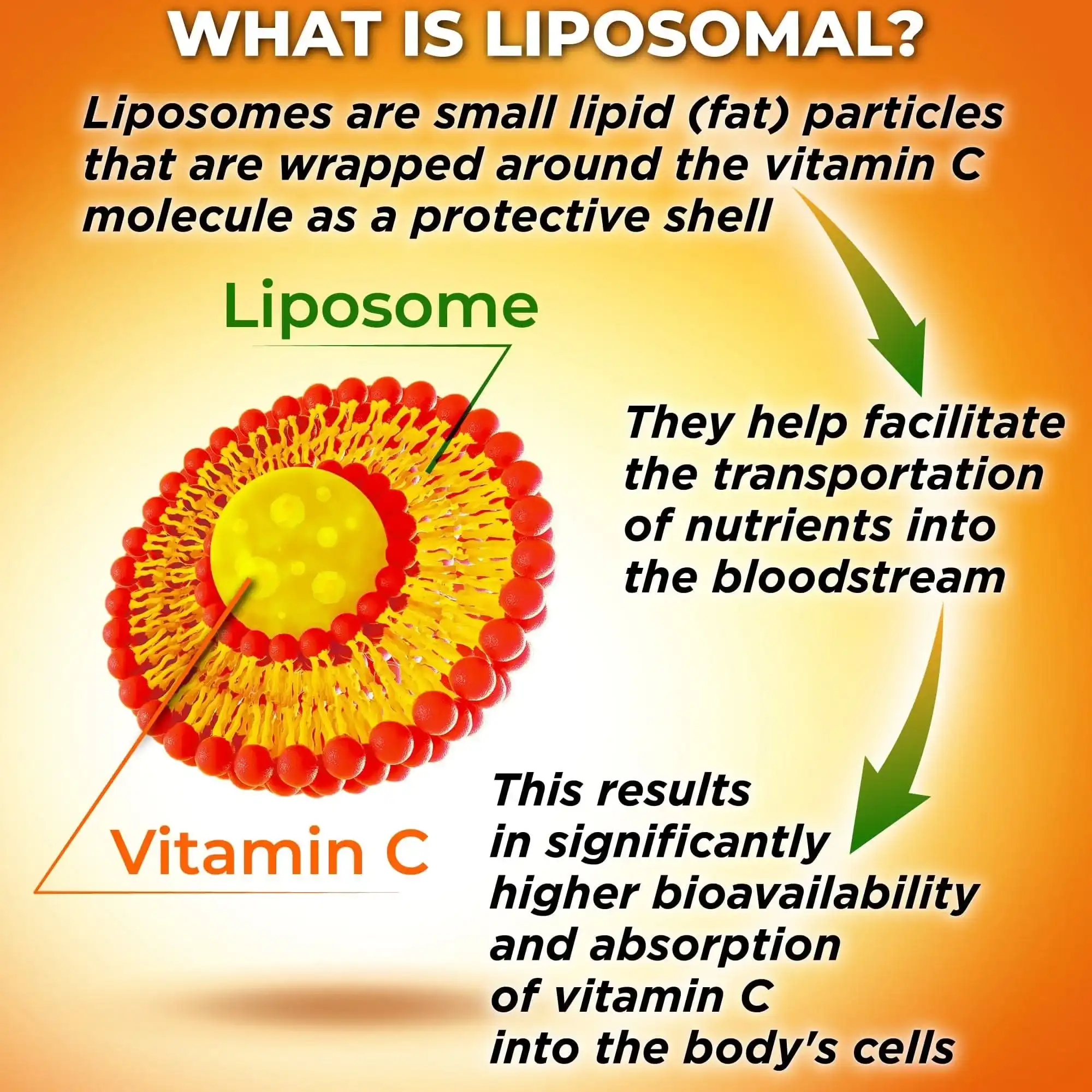
Liposomal Vitamin C Powder Bulk has become an important ingredient in the nutrition business because it solves a long-standing problem: Regular ascorbic acid doesn't absorb well and causes stomach pain when taken in large amounts. By putting Vitamin C molecules inside phospholipid spheres, this advanced ingredient makes the vitamin 85–90% bioavailable, while regular forms only make it 15–20% bioavailable. At Shaanxi Hongda Phytochemistry, sourcing managers and formulators are putting more and more emphasis on this technology because it improves the effectiveness of Vitamin C supplements while getting rid of the side effects like diarrhea and stomach pain. Because it absorbs better, doesn't bother stomachs, and can be mixed with other ingredients in various ways, liposomal vitamin C powder bulk is now a must-have for nutritional companies that make products for the health, immunity, and antioxidant support markets.
Understanding Liposomal Vitamin C Powder Bulk
The science behind liposomal encapsulation is a big step forward in how nutrients are delivered. Standard crystalline ascorbic acid depends on intestinal carriers that can't hold any more ascorbic acid. Liposomal forms, on the other hand, use phospholipid bilayers that look like the walls of living cells. Because of this molecular similarity, the vitamin C payload can get into the bloodstream without being broken down by the gut system. It can do this through direct mucosal absorption or lymphatic routes.
What Defines Premium Liposomal Powder?
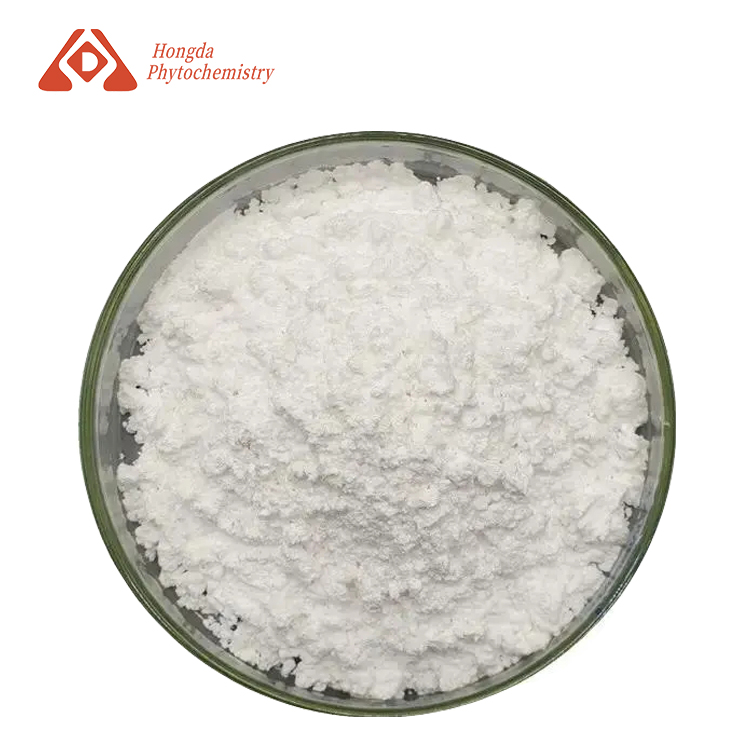
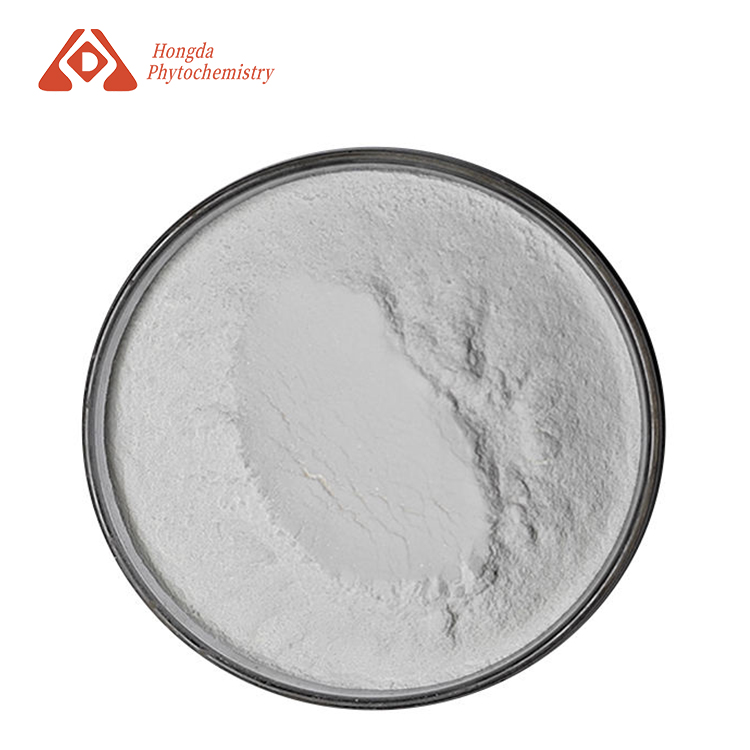
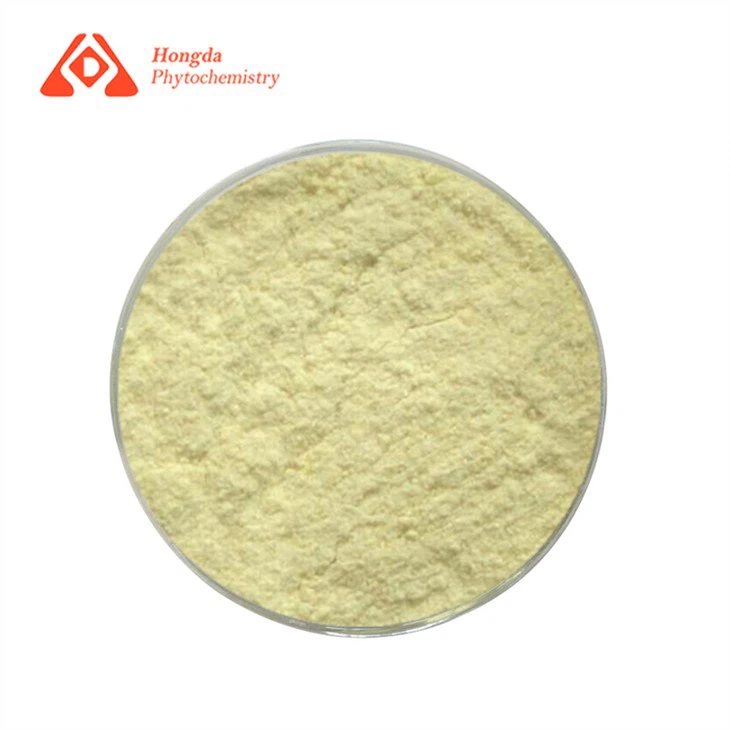
Certain physical and chemical properties of high-quality liposomal vitamin C powder bulk decide how well it can be manufactured and how well it works in clinical settings. Shaanxi Hongda Phytochemistry requires particles that are 100–400 nm when reconstituted and a polydispersity index of less than 0.3 to ensure that the particles are spread out evenly. The fine light yellow powder keeps capsule efficiency above 85%, which means that most of the vitamin C stays safe inside the lipid structures instead of being free as ascorbic acid. This protection makes the shelf life three years when kept at -20°C, which is a lot longer than liquid liposomal goods, which need to be kept cold and go bad within months.
As the phospholipid source, non-GMO sunflower or soy lecithin is usually used, along with additives that keep the mixture from sticking together while it's being stored. Formulating with our 50–55% standard product gives makers the freedom to use the powder in capsules, stick packs, or beverage applications without the risks of leakage that come with liquid options. Raw ascorbic acid is very acidic, but the neutral, slightly fatty taste hides that, making final goods more popular with customers.
How Does Liposomal Technology Enhance Absorption?
The way it is absorbed is very different from how vitamin C pills usually work. When you take more than 200 mg of standard Ascorbic Acid, the sodium-dependent Vitamin C transporters (SVCT1 and SVCT2) in the walls of your gut become full. No matter how much is taken, this saturation sets an absorption cap. Liposomal structures get around this problem by joining with enterocyte membranes. This lets Vitamin C enter cells through endocytosis instead of active transport. Clinical studies show that Liposomal Vitamin C Powder bulk delivery keeps plasma concentrations higher for longer, with peak levels happening 4-6 hours after intake compared to 2-3 hours for other types. This pattern of prolonged release helps formulators make products that help the immune system, make collagen, and protect against free radicals, all of which need stable blood levels rather than short concentration spikes.
Liposomal Vitamin C Powder Specification
|
Item
|
Specification
|
Test result
|
Test Method
|
|
Vitamin C
|
50%-55%
|
53.38%
|
HPLC
|
|
Appearance
|
White to pink powder
|
Complies
|
Visual
|
|
Odor and Taste
|
Characteristic
|
Complies
|
Sensory
|
|
Loss on Drying
|
≤5%
|
1.60%
|
Ch.P2020
|
|
Residue Solvents
|
Ethanol ≤ 5000ppm
|
Complies
|
GC-HS
|
|
Heavy metal
|
Lead (Pb) ≤3ppm
|
Complies
|
ICP-MS
|
|
Arsenic (As) ≤3ppm
|
Complies
|
ICP-MS
|
|
|
Cadmium(Cd) ≤1ppm
|
Complies
|
ICP-MS
|
|
|
Mercury(Hg) ≤0.1ppm
|
Complies
|
ICP-MS
|
|
|
Total Plate Count
|
≤1000cfu/g
|
Complies
|
USP-NF 2022
|
|
Yeast&Mould
|
≤100cfu/g
|
Complies
|
USP-NF 2022
|
|
E.coli
|
Negative
|
Negative
|
USP-NF 2022
|
|
Salmonella/25g
|
Negative
|
Negative
|
USP-NF 2022
|
|
Staphylococcus Aureus
|
Negative
|
Negative
|
USP-NF 2022
|
|
Storage
|
Preserve in a well-closed, light-resistant, and protect from moisture.
|
||
|
Packing |
20kg/drum. |
||
|
Shelf life |
2 years. |
||
Comparing Liposomal Vitamin C Powder Bulk with Other Forms
Knowing the differences between shipping formats helps procurement teams make smart choices about where to buy things that match the setting of the product and the manufacturing capabilities. Each structure has its own pros and cons that affect how well the design works.
Powder Versus Liquid Liposomal Products
When it first came out on the market, liquid liposomal vitamin C powder in bulk was the most popular form. However, problems with shipping have made B2B buyers favor powder. Liquid mixtures need to be shipped in a cold chain, which makes foreign shipping and storage much more expensive. We've seen rejection rates of up to 15% for liquid liposomes because of changes in temperature during shipping, but our liposomal vitamin C powder bulk stays stable at room temperature. Powder has a shelf life of three years when kept properly, while liquids only last six to twelve months. This means that producers who use just-in-time production plans need to completely change how they manage their inventory.
When it comes to makeup, powder is more flexible than other options. Manufacturers of capsules can get accurate doses without having to deal with the moisture that makes sealing harder when liquids are used. Formulators of drinks like being able to control the time of recovery because it keeps the product from breaking down too quickly during the development cycle. With 27 drums on a crate, Shaanxi Hongda Phytochemistry's 12 kg drum Packaging makes it easier to move large amounts of goods. This makes the best use of containers for shipping goods to North America, Europe, and Asia.
Liposomal Powder Compared to Standard Ascorbic Acid
Most of the time, liposomal vitamin C powder bulk costs 5 to 8 times more than regular vitamin C powder per gram of active ingredient. This higher price is due to the complicated production process and higher-quality phospholipid materials. The bioavailability benefit, on the other hand, means that less of the drug is needed to be useful. A product with 500 mg of liposomal vitamin C powder bulk has plasma levels that are similar to those of 2,500 to 3,000 mg of normal ascorbic acid. This means that the price per dose is more reasonable than the initial listing suggests. Aside from money, the gut tolerance profile is very different. Standard ascorbic acid produces osmotic diarrhea at amounts higher than what each person's intestines can handle, which is usually between 2,000 and 4,000 mg per day. Liposomal transport gets rid of this problem, so high-dose methods can be used without causing stomach problems. We've worked with sports nutrition companies that were able to successfully sell 1,000 mg of liposomal vitamin C powder bulk goods for recovery after exercise. This is a dose that most people can't get with regular forms.

Organic Versus Synthetic Sourcing Considerations
The phospholipid binder and vitamin C core can come from natural or man-made sources, which can change how they are regulated and how they are positioned in the market. For products to be certified organic, they must contain non-GMO lecithin and Vitamin C that comes from fermentation methods that have been cleared. These products cost 20–30% more but can be sold in natural product stores that have strict ingredient requirements. Shaanxi Hongda Phytochemistry's ORGANIC, HALAL, and KOSHER standards meet the needs of a wide range of markets, from popular nutraceuticals to niche religious and dietary markets. The Reichstein method makes synthetic ascorbic acid, which is good for pharmaceutical-grade uses because it saves money and ensures uniform quality. The decision depends on the target market's demographics and legal frameworks. For example, European consumers are more likely to prefer organic products than Asian consumers, who put more value on clinical validation over sourcing theory.
Procurement Considerations for Liposomal Vitamin C Powder Bulk
When looking for a trusted provider, you need to look at more than just price quotes. Because making liposomes is so complicated, suppliers' skills vary a lot from one market to the next.
Critical Supplier Certifications and Quality Systems
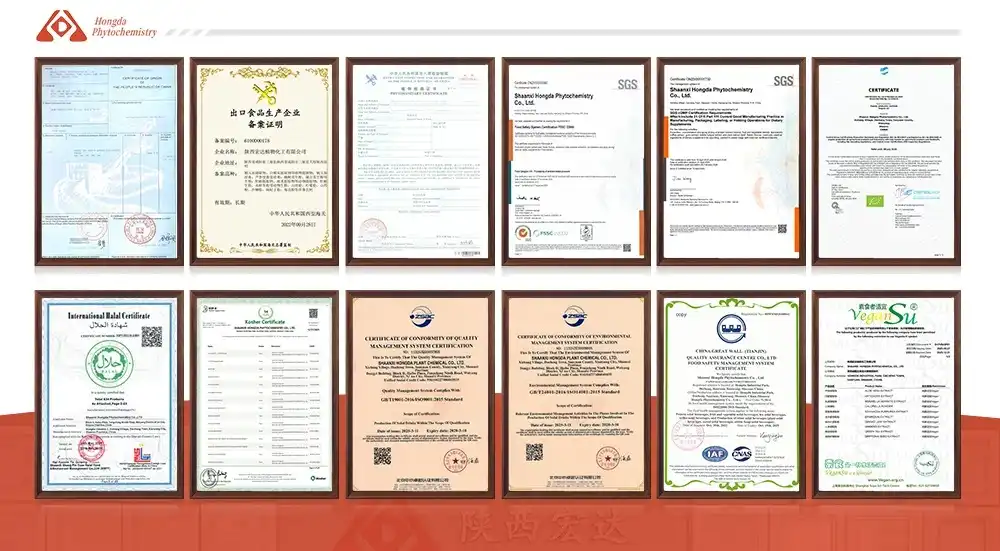
Our Shaanxi Hongda Phytochemistry plant is cGMP-certified, which means it meets the standards for medicinal and nutraceutical uses. The approval makes sure that the methods used are consistent from batch to batch, which is very important for customers who count on knowing the exact dissolution rates and bioavailability profiles of their products. Our SGS-certified lab gives customers trust in the accuracy of the proof of analysis by providing third-party verification that many new suppliers don't have. Regulatory audits make it clear how important strong quality systems are. We have helped customers with FDA reviews by providing full traceability paperwork, including information on phospholipid supplier qualifications and data on the stability of the final liposomal vitamin C powder bulk. When batches don't meet standards or when regulatory agencies question the authenticity of an item, manufacturers who don't have established quality systems can't keep their supplies going.
Geographic Sourcing and Logistics Planning
With its advanced spray-drying infrastructure and cheap phospholipids, China has become the most important place to make liposomal vitamin C powder in bulk. But buying teams have to weigh the benefits of lower costs against wait times and protecting intellectual property. Our promise to deliver within 3–7 working days from Shaanxi province to major Chinese ports, along with the fact that we are a public overseas warehouse, meets the speed needs of North American and European customers who are running low on inventory. Choosing a method of transportation affects both cost and quality. Even though air freight cuts down on travel time, it costs a lot more per kilogram. Sea freight is a cheap way to send big orders, but it needs to be carefully packaged with a moisture shield to keep the goods dry during the weeks-long trips. We've created special multilayer packing that keeps the powder's integrity through tropical shipping routes. This has been proven by rapid stability testing that mimics the worst possible transit conditions.
Customization Capabilities and Minimum Orders
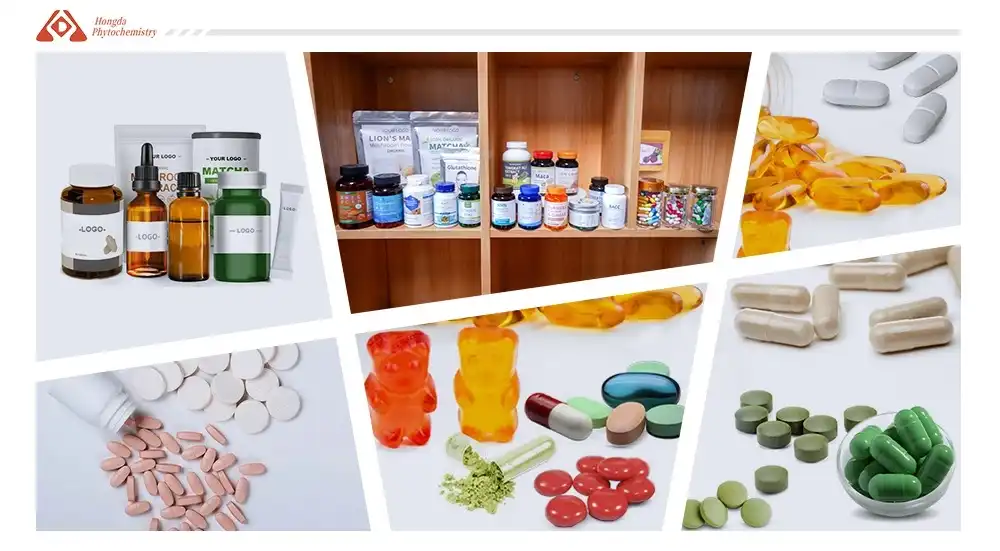
Standard formulations are good for common uses, but custom formulation is often needed for unique items. Over 20 professors from top universities work with our customers in research and development (R&D) to improve particle size distributions, change phospholipid ratios, or add ingredients that work well together, such as phosphatidylcholine or alpha-lipoic acid. This ability to provide technical help sets complete ingredient partners apart from transactional providers. Order minimums are based on how much the customer wants to buy and how much it costs to make. Our 12 kg drum standard works for medium-sized companies that are trying new formulas, while full container loads of 27-drum pallets are best for well-known brands that want to keep costs low per unit. Private label services include more than just repackaging. They also include custom certificates of analysis, kosher supervision paperwork, and regulation dossiers that are special to each market. This speeds up the time it takes for customers to get their products on the market in new areas.
Best Practices for Using and Storing Liposomal Vitamin C Powder Bulk
When you handle liposomal vitamin C powder bulk properly throughout the supply chain, you keep the useful benefits that support its high price. Bioavailability and product performance can be hurt by small changes in storage conditions or recipe factors.
Optimal Storage Conditions and Shelf Life Management
The most important thing about keeping it is controlling the temperature. Our Liposomal Vitamin C Powder Bulk can be exposed to room temperature for a short time while it is being made, but it needs to be stored at -20°C for a long time to keep the integrity of the capsule for the full three-year shelf life. Facilities that don't have ultra-low temperature freezers can keep the quality for 18 to 24 months at normal freezer temperatures of around -18°C, but we suggest speeding up testing to confirm exact breakdown rates in real-life storage conditions. Humidity is a second risk because hygroscopic phospholipids take in water from the air, which could cause particles to stick together. Desiccant sachets and moisture barrier liners are part of our packaging, but once the drum is opened, customers should move any leftover parts to sealed cases with little headspace. Because they don't hold as much water as liquid liposomes, oxidation worries are lower. However, they should still be kept away from direct light to avoid phospholipid peroxidation, which can give foods bad tastes.
Formulation Guidelines for Different Applications
The powder's low moisture content and ability to flow freely make it useful for capsule use. The ingredient can be used with normal encapsulation or direct compression equipment without any special changes. However, if formulas include hygroscopic co-ingredients, we suggest mixing with flow agents like silica. Depending on whether the product is meant to be an upkeep aid or a therapeutic intervention, the target concentrations are usually between 250 mg and 1000 mg of liposomal vitamin C powder bulk per dose. For beverage uses, reconstitution methods that keep the structure of liposomes are needed. Shear forces that can damage phospholipid bilayers can be avoided by slowly dispersing the particles in water at room temperature and moving them gently. When tested with popular beverage ingredients, it was found that citric acid and natural flavors work well together. On the other hand, some preservatives may make liposomes less stable when they get too hot. We help formulators figure out how to deal with these interactions by using our collection of over 400 goods and our 20 years of experience extracting phytochemicals.
Regulatory Compliance and Labeling Requirements
In the United States, vitamin C is considered a GRAS food ingredient. However, liposomal vitamin C powder bulk delivery methods add new ingredients that need to be carefully reviewed on the label. For allergy control, the amount of phospholipids must be listed in the ingredient list, along with the source (soy vs. sunflower). Our HALAL and KOSHER Certifications make it easier for businesses to follow religious rules. Our BRC and FSSC certificates help customers who serve retail channels handle food safety. European markets have stronger rules for new foods, and liposomal vitamin C powder bulk may need to be approved before it can be sold there, based on the type of fats used and how they are made. Our regulatory dossiers, which include safety ratings and accounts of the manufacturing process that meet EU standards, speed up the submission process for our customers. Different Asian markets have different rules. For example, some places see liposomal delivery as a beauty ingredient that needs to be registered separately from oral vitamins.
Future Trends and Market Outlook for Liposomal Vitamin C Powder Bulk
Liposomal Vitamin C Powder Bulk is moving in the same direction as the rest of the supplement business, which is moving toward bioavailability improvement and supplementation based on proof. Several factors that work together point to long-term growth that goes beyond current market share.
Technological Advances Driving Adoption
New developments in microfluidization technology have lowered the cost of production while making particle sizes more uniform. We put in new equipment at Shaanxi Hongda Phytochemistry in 2021 that gets polydispersity values below 0.25. This makes it easier to make things on a large scale for business use. This quality improvement is important because the range of particle sizes is directly related to the uniformity of bioavailability. This fixes a problem that early liposomal vitamin C powder bulk goods had, which was that they varied a lot from batch to batch. Improvements in spray-drying also affect how stable a product is and how it behaves when it is reconstituted. Our special low-temperature process uses cryoprotectants to keep liposomes intact during drying. This makes powders that can be mixed back together in 60 seconds, compared to several minutes for older formulas. With these technical improvements, formulators who used to avoid Liposomal Vitamin C Powder Bulk because it was hard to handle or worried about quality can now use it more easily.
Expanding Application Sectors Beyond Traditional Supplements
The group of people who buy our Liposomal Vitamin C Powder Bulk the most quickly is functional food and beverage makers. Liposomal Vitamin C Powder Bulk is becoming more and more popular as a special ingredient in ready-to-drink immune support shots, powdered greens recipes, and protein mixes. The bland taste and ability to dissolve in water make it possible to use in products where the sharpness of regular ascorbic acid would clash with flavor profiles. The better cell access that liposomal release offers is also useful for cosmetic uses. Our main markets are still the nutraceutical and pharmaceutical industries, but we've come up with specs that work best for topical products, where skin absorption is the bioavailability goal. The phospholipid content moisturizes in addition to vitamin C's protective effects, making it a good fit for clean beauty brands that focus on ingredients that do more than one thing.
Market Dynamics and Competitive Positioning
The world's need for high-bioavailability nutrients keeps growing. This is because people are living longer, being more aware of preventative health, and understanding science. Liposomal Vitamin C Powder Bulk is expected to grow at a rate of 12 to 15% per year until 2028, which is faster than the total vitamin supplement market growth rate of 6 to 8 percent per year. This rise in the premium market rewards suppliers who have shown they have the technical skills and quality processes that help brands stand out. The way competition works favors well-known companies that have a history of certifications and research and development resources. Specialized tools, recipe knowledge, and navigating regulatory waters make it hard for new companies to start making liposomes. This creates natural moats around qualified suppliers. Shaanxi Hongda Phytochemistry is a stable long-term partner compared to new rivals who don't have track records because we've been in business for 23 years and are a national high-tech company.
Conclusion
Liposomal Vitamin C Powder Bulk is popular in nutraceuticals because it has high solubility, doesn't cause stomach pain, and can be used in a variety of ways to meet the needs of different markets at the same time. As an ingredient partner, we've seen this technology go from being used in specialized areas to being widely accepted in health, immune support, and antioxidant categories. When better production methods, lower costs, and more application areas come together, it means that formulators who know how to use liposomal delivery to their advantage will have long-term growth possibilities. When purchasing this ingredient, teams should give more weight to providers that have a wide range of certifications, expert help, and quality systems that make sure all production batches perform the same way.
FAQHow does liposomal vitamin C achieve better absorption than regular supplements?
Vitamin C molecules are surrounded by phospholipid bilayers that look like natural cell membranes. This lets them directly fuse with intestine cells instead of using saturable transport proteins. This way, around the absorption cap that only lets regular ascorbic acid work at 15-20% bioavailability at higher doses. Liposomal types, on the other hand, keep their 85–90% absorption efficiency.
What should I look for when selecting a bulk supplier?
Some important things to think about are cGMP approval, third-party lab proof like SGS, and full regulatory credentials that cover target markets. Technical skills are also important—suppliers should offer help for unique formulations, stability data, and full paperwork for tracking. Supply chain risks for key ingredients are lower when there are flexible minimum orders, good geographic logistics, and a history of doing business.
Are there safety concerns with high-dose liposomal vitamin C?
Liposomal delivery gets rid of the osmotic diarrhea that limits regular vitamin C dosing, so bigger doses can be taken without bothering the stomach. Standard safety tests show good tolerance ratings, but makers should check to see if their products are compatible with certain co-ingredients and do stability tests on real products to make sure that the claims on the labels stay true during the shelf life.
Partner with Hongda for Premium Liposomal Vitamin C Powder Bulk Supply
Shaanxi Hongda Phytochemistry has been working with natural extracts for 23 years, and they use their knowledge in every liposomal vitamin C powder bulk sale. As a recognized producer with SGS, cGMP, BRC, FDA, and ISO qualifications, we give nutraceutical brands the quality guarantee and technical support they need to stand out from the competition. Our 50–55 percent specification product comes in 12 kg drums and can be stored at -20°C for three years. It is used by top names in North America, Europe, and Asia, and we can reliably send it in three to seven days from our approved Public Overseas Warehouse facilities. In addition to providing common goods, our R&D team of more than 20 university teachers helps you with custom formulation development, stability consulting, and regulation paperwork support, all of which shorten the time it takes to make a new product. Get in touch with duke@hongdaherb.com right away to get technical details, sample amounts, or to talk about private label options with a reliable Liposomal Vitamin C Powder Bulk provider who wants you to succeed.
References
1. Davis, J.L., Paris, H.L., Beals, J.W., et al. (2016). "Liposomal-encapsulated Ascorbic Acid: Influence on Vitamin C Bioavailability and Capacity to Protect Against Ischemia-Reperfusion Injury." Nutrition and Metabolic Insights, 9, 25-30.
2. Gopi, S., & Balakrishnan, P. (2021). "Evaluation and Clinical Comparison Studies on Liposomal and Non-Liposomal Ascorbic Acid (Vitamin C) and Their Enhanced Bioavailability." Journal of Liposome Research, 31(4), 356-364.
3. Hickey, S., Roberts, H.J., & Miller, N.J. (2008). "Pharmacokinetics of Oral Vitamin C." Journal of Nutritional & Environmental Medicine, 17(3), 169-177.
4. Carr, A.C., & Maggini, S. (2017). "Vitamin C and Immune Function." Nutrients, 9(11), 1211.
5. Łukawski, M., Dałek, P., Borowik, T., et al. (2020). "New Oral Liposomal Vitamin C Formulation: Properties and Bioavailability." Journal of Liposome Research, 30(3), 227-234.
6. Padayatty, S.J., Sun, A.Y., Chen, Q., et al. (2010). "Vitamin C: Intravenous Use by Complementary and Alternative Medicine Practitioners and Adverse Effects." PLoS ONE, 5(7), e11414.





YOU MAY LIKE