What to Look for When Buying Liposomal Vitamin C Powder Bulk?
2026-06-18 15:54:49
Professionals in buying must look at a number of technical and financial factors when looking for liposomal vitamin C powder bulk for use in nutraceuticals, pharmaceuticals, or functional foods. The perfect product has particle sizes between 100 and 400 nm, encapsulation efficiency above 80%, and agreement with international quality standards such as cGMP, ISO approvals, and third-party proof. Besides these requirements, dependable providers should show steady supply capacity, adaptable customization options, thorough technical documents, and quick response times for logistical support. This strategic method makes sure that the chosen ingredient has high bioavailability, meets regulatory standards, and keeps costs low throughout the supply chain.
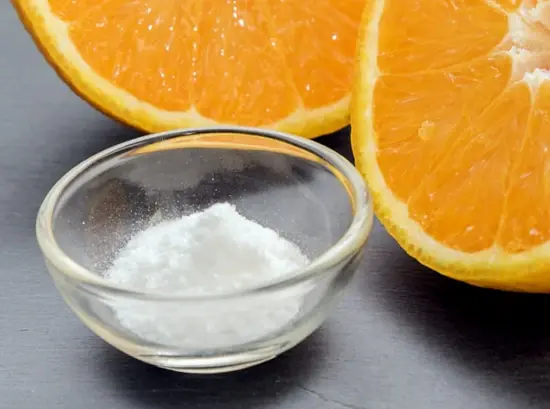
Understanding Liposomal Vitamin C Powder: Key Features and Advantages
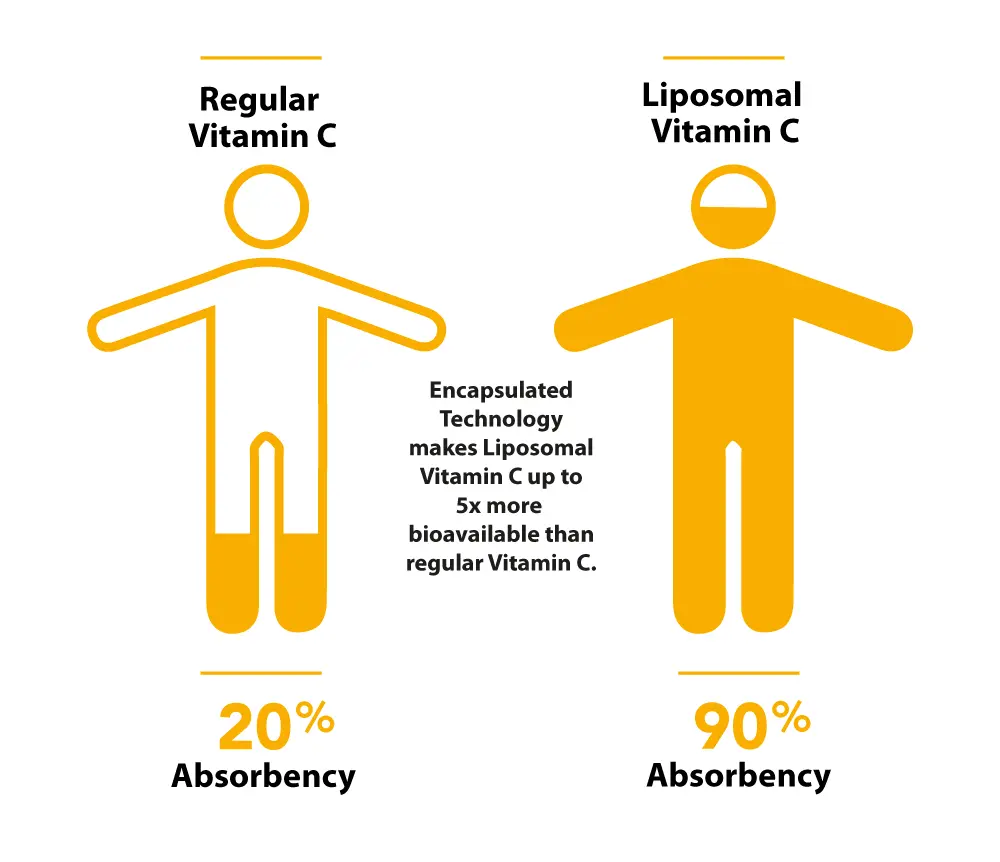
Liposomal technology is a big step forward in how nutrients are delivered, especially when it comes to ascorbic acid formulations. Vitamin C molecules are surrounded by phospholipid bilayers made from non-GMO sunflower or soy lecithin during the capsule process. This makes tiny circles that protect the active ingredient while it is being digested. This barrier keeps the nutrient from going through saturable transport pathways in the intestinal wall. As a result, 85–90% of the nutrient is absorbed, while only 15-20% of standard ascorbic acid is. Such big gains directly lead to formulation effectiveness and customer happiness.
Bioavailability Comparison: Liposomal vs. Traditional Forms
The absorption benefit comes from the lipid-based transport system that works like the structure of a cell membrane. Standard ascorbic acid has a hard time getting into the body because stomach acid breaks it down, there isn't much carrier-mediated transport in the small intestine, and the kidneys get rid of it quickly. Each problem is solved in a planned way by liposome Packaging. When the phospholipid vesicles get to the intestinal mucosa, they either join with enterocyte membranes or go straight into the lymphatic system. This lets vitamin C get into the systemic circulation without the limits that come with SVCT1 transporters that depend on concentration. In high-dose situations where standard forms cause osmotic diarrhea, this process works very well.
Powder vs. Liquid: Stability and Manufacturing Advantages
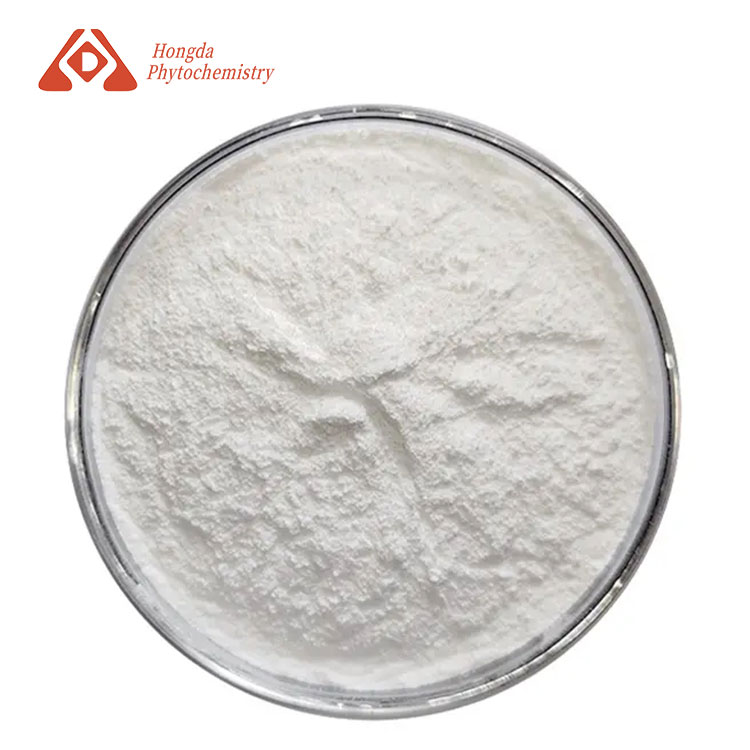
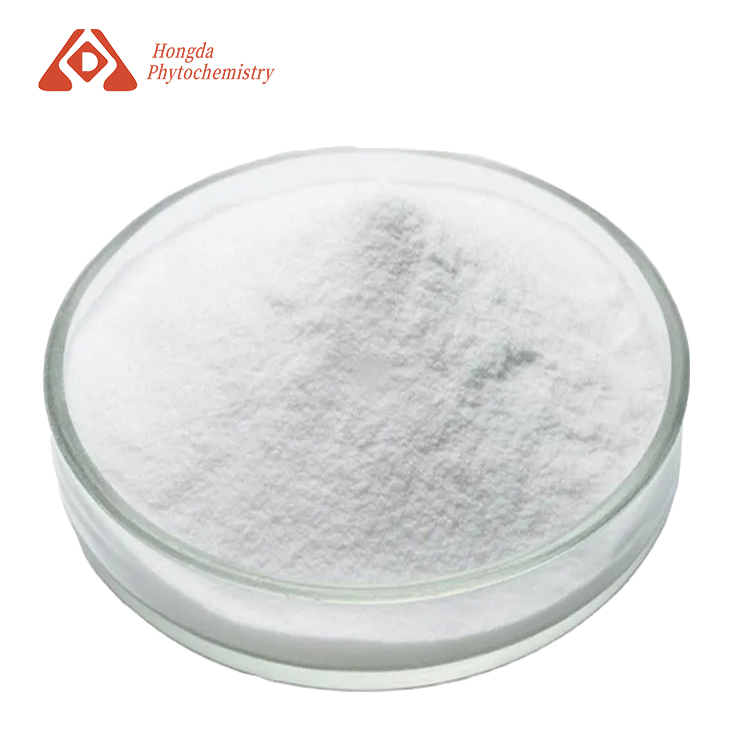
Liquid liposomal formulations are still popular in retail stores, but powder types are better for business-to-business uses. Spray-drying or freeze-drying makes a stable matrix that keeps food fresh for up to three years at controlled temperatures, so it doesn't need to be refrigerated, which makes transportation more difficult. Powder forms work well in processes that fill capsules, make stick packs, and make custom blends without any problems with leaks or oxidation. The exact dosing and uniform flow characteristics are appreciated by manufacturing facilities because they cut down on production variability and waste. The light yellow powdery look means that the liposomal vesicles didn't break down too much during processing and kept their shape when they were put back together.
Liposomal Vitamin C Specification
|
Item
|
Specification
|
Test result
|
Test Method
|
|
Vitamin C
|
50%-55%
|
53.38%
|
HPLC
|
|
Appearance
|
White to pink powder
|
Complies
|
Visual
|
|
Odor and Taste
|
Characteristic
|
Complies
|
Sensory
|
|
Loss on Drying
|
≤5%
|
1.60%
|
Ch.P2020
|
|
Residue Solvents
|
Ethanol ≤ 5000ppm
|
Complies
|
GC-HS
|
|
Heavy metal
|
Lead (Pb) ≤3ppm
|
Complies
|
ICP-MS
|
|
Arsenic (As) ≤3ppm
|
Complies
|
ICP-MS
|
|
|
Cadmium(Cd) ≤1ppm
|
Complies
|
ICP-MS
|
|
|
Mercury(Hg) ≤0.1ppm
|
Complies
|
ICP-MS
|
|
|
Total Plate Count
|
≤1000cfu/g
|
Complies
|
USP-NF 2022
|
|
Yeast&Mould
|
≤100cfu/g
|
Complies
|
USP-NF 2022
|
|
E.coli
|
Negative
|
Negative
|
USP-NF 2022
|
|
Salmonella/25g
|
Negative
|
Negative
|
USP-NF 2022
|
|
Staphylococcus Aureus
|
Negative
|
Negative
|
USP-NF 2022
|
|
Storage
|
Preserve in a well-closed, light-resistant, and protect from moisture.
|
||
|
Packing
|
20kg/drum.
|
||
|
Shelf life
|
2 years.
|
||
Criteria for Evaluating Bulk Liposomal Vitamin C Powder Suppliers
To find a good provider, you have to carefully look at them from many different angles. Quality assurance starts with industrial licenses and includes technical skills, the dependability of the supply chain, and the chance to work together. Purchasing teams need to be able to tell the difference between sellers who offer real liposomal vitamin C powder bulk encapsulation and those who just sell physical mixtures of ascorbic acid and lecithin, which don't have the same bilayer structure or the bioavailability benefits that come with it.
Essential Quality Certifications and Testing Protocols
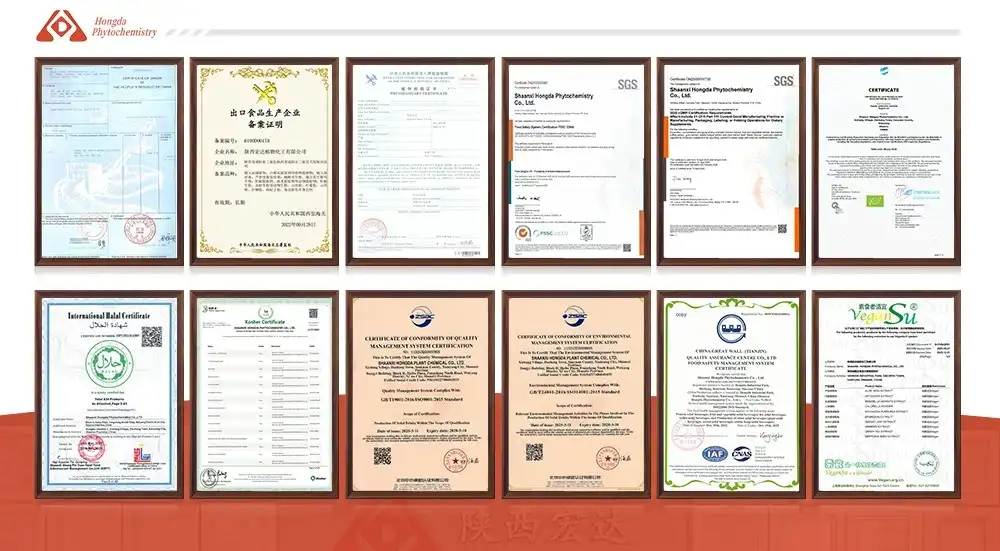
Manufacturing licenses are the basis for qualifying suppliers. cGMP compliance makes sure that production standards for pharmaceuticals are met. These standards include validated manufacturing methods, environmental controls, and full batch paperwork. Systematic quality management is shown by ISO 9001 certification. ISO 22000 and FSSC 22000 are Certifications for food safety management systems. Extra certificates like HALAL, KOSHER, ORGANIC, BRC, and FDA registration make it easier to sell products around the world, especially in controlled markets like North America and Europe. Customers will also be more confident in your products. In addition to these basic certifications, you should also make sure that the sellers test their products by third parties using accredited labs. Verification by SGS, proof of the certificate of analysis, and stability studies all show that the product is consistent. Ask for scientific data that shows how well encapsulation works with dialysis or ultrafiltration, how particle size is distributed with dynamic light scattering, and how shape is confirmed with transmission electron microscopy. These technology checks tell the difference between real liposomal goods and fake ones.
Evaluating Production Capacity and Supply Consistency
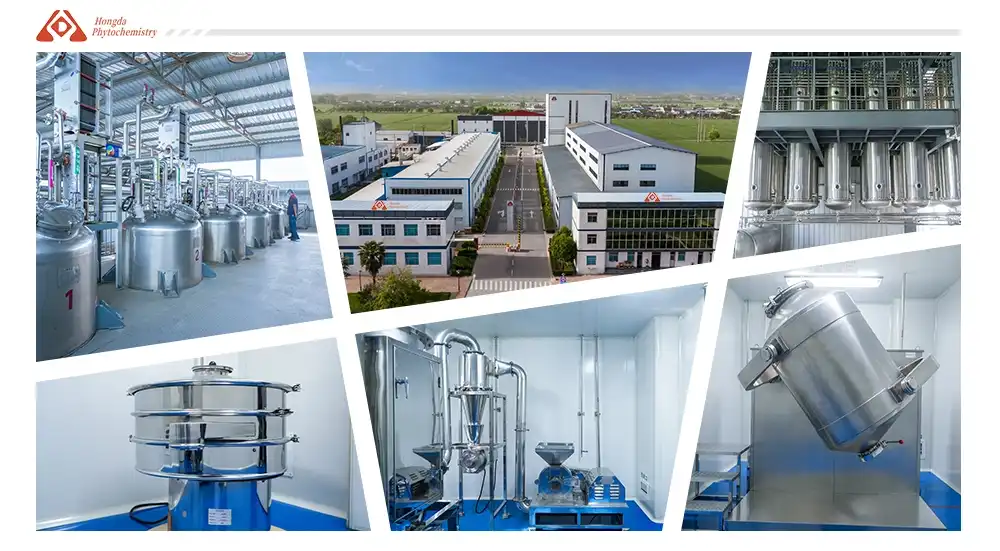
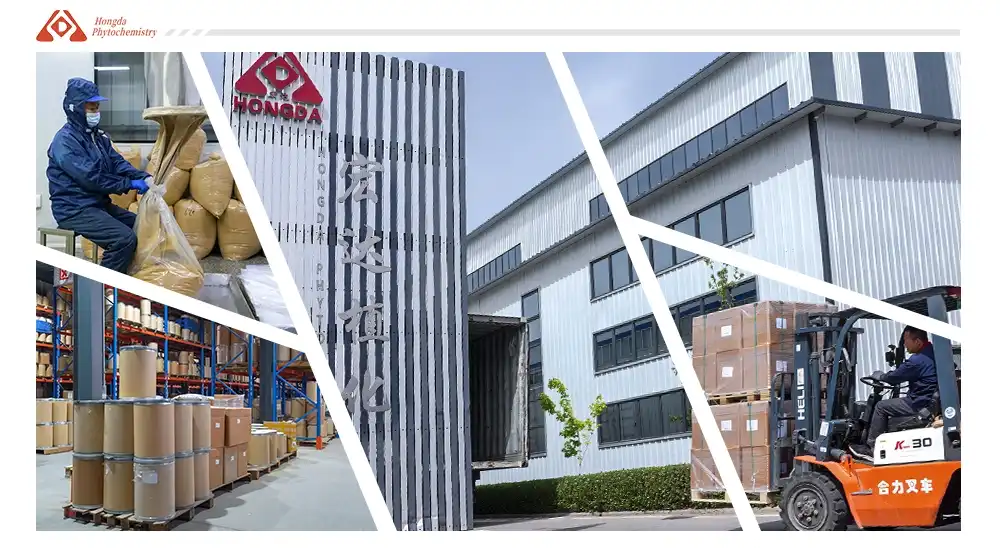
Supply dependability and scalability are directly affected by the equipment used for production. Suppliers with specialized extraction facilities that have more than one production line can handle different order amounts and changes in seasonal demand. Your estimate for purchases should match your manufacturing capacity, and there should still be room for growth. Shaanxi Hongda Phytochemistry has more than 20,000 square meters of production space with ten natural plant extract production lines and modern extraction systems. They also have an R&D team of more than 20 professors and over 100 skilled operators who help them. This infrastructure makes it possible to consistently produce high-quality goods and respond quickly to market needs. Look at methods for getting raw materials to learn about possible supply chain weaknesses. Suppliers who have a variety of phospholipid sources and vitamin C precursors are better able to handle a lack of ingredients. Quality control labs that are set up to test while the product is being made find mistakes before they affect the finished product. This keeps your production plans on track and protects your brand's image.
Packaging Flexibility and Logistical Considerations
Practical packing solutions have a big effect on how quickly and easily products can be handled and how long they last. Liposomal Vitamin C Powder Bulk is usually shipped in fiber drums with plastic covers. Each drum holds 12 kg, and there are 27 drums on a pallet, which makes it easier to handle inventory and keep track of the warehouse. This level of density in the package saves money on freight costs and keeps the hygroscopic powder from getting wet during transport. Logistics that are controlled by temperature are necessary to keep liposomes intact, though powder forms can handle a wider range of temperatures than liquid forms. Make sure that providers follow cold chain practices when shipping during warm weather and give you stability data to back up the storage conditions they suggest. Delivery times of three to seven working days work well with just-in-time manufacturing models and leave room for extra stock to keep output going.
Price Comparison and Cost Efficiency Considerations
The initial buy price and the total cost of ownership must be balanced in procurement budgets. The total cost of ownership includes how well the product works, how well it meets regulations, and how reliable the supply chain is. When absorption effectiveness, customer happiness, and the possibility of quality problems that lead to costly refunds or reformulated products are taken into account, the cheapest ingredient rarely gives the best value.
Understanding Price Drivers in Liposomal Manufacturing
Bulk pricing systems are affected by a number of things. The main factor that affects cost is the quality of the raw materials. For example, pharmaceutical-grade phospholipids and non-GMO ascorbic acid cost more than common options. The price is also affected by how complicated the manufacturing process is. For example, to get 85–90% encapsulation efficiency, smaller companies need more advanced tools and process knowledge that they can't get. Costs of certification, such as ongoing audits and upkeep of compliance, are spread out over a bigger amount of production. This helps established manufacturers who make a lot of products be more efficient. Location affects both the cost of labor and the cost of operations. However, established warehouses overseas can help foreign buyers deal with the effects of freight costs. Through economies of scale and supply chain cooperation, suppliers in places where phytochemical businesses are already well-established often offer better value.
Strategies for Optimizing Procurement Budgets
To negotiate well, you must first know how much you need over a range of planning periods. When you commit to bigger minimum order amounts or yearly purchase deals, you can usually get bulk discounts and make sure you have enough supplies during times of high demand. Payment terms are another thing that can be negotiated. You can get savings for paying early or agree to net terms that help you control your cash flow. Do not, however, lower quality standards to save a little money. Poorer liposomal vitamin C powder bulk with poor encapsulation needs higher doses to have beneficial effects, which cancels out any savings that might be seen. Do total cost modeling that takes into account changes in bioavailability. This will let you directly compare liposomal and standard vitamin C formulations based on how well they work. This study often shows that expensive liposomal powders offer better value, even though they cost more per unit.
Choosing the Right Supplier: Brands, Customization, and Support
Supplier selection is more than just choosing the right product. It also includes finding suppliers who can work with you to reach your long-term business goals. The partnership should give you access to technology know-how, the freedom to make changes, and all-around help that makes you more competitive.
Reputation, Track Record, and Technical Expertise
Manufacturers that have been around for decades show historical knowledge that younger companies can't match. Shaanxi Hongda Phytochemistry and other companies that have been in business since 2001 have been through many market cycles, governmental changes, and technological advances, and they have built strong systems that ensure consistent performance. The government recognizes creativity and international trade skills by giving national high-tech company designations and public overseas warehouse status. Read case studies and comments from past clients in similar fields. Pay attention to what they say about how well orders are filled, how quickly technical help responds, and how problems are solved. Suppliers with in-house R&D teams that have advanced degrees can help improve formulations and give advice on dose strategies, excipient compatibility, and making products more stable. This technical relationship cuts down on formulation risks and speeds up the time it takes to build your product.
OEM and Private Label Customization Capabilities
To stand out in a market, you often need to go beyond standard store offers and make your own specs. Suppliers who can do so can make changes to the amount of vitamin C, the makeup of the phospholipids, the goal particle size, and the addition of other ingredients like bioflavonoids or lipid-soluble antioxidants. Private label services let you build your brand without having to spend a lot of money on production equipment. These services include unique packaging designs, help with regulatory paperwork, and changes to the recipe that are needed for each market. OEM partnerships are especially helpful when making custom delivery systems or working on unique problems in the cosmetics or medicine industries. Formulation development services from suppliers can include making prototypes of custom mixes, testing for stability, and developing analysis methods. This shortens the time it takes to get a product to market and lowers the cost of development. With these skills, sellers go from being basic vendors to strategic partners who help with new ideas and market success.
Comprehensive Documentation and Ongoing Quality Assurance
In the supplement business, regulatory compliance requires a lot of proof to back up claims about safety and effectiveness. Each batch from a reliable seller comes with an analysis report that lists the active ingredients, heavy metals, microbes, and pesticide residues. Allergen statements, non-GMO certifications, and proof of country of origin make it easier to get goods through customs and meet the standards for ingredient exposure. Technical data sheets with information on solubility, suggested use levels, and stability factors help with formulating and developing industrial processes. In addition to the original documentation, continued quality assurance through frequent contact, production updates, and proactive notification of changes to specifications keeps things clear and stops supply disruptions. Suppliers who use statistical process control can show trend data that shows consistent manufacturing performance across multiple runs of goods.
Ensuring Long-Term Procurement Success: Best Practices and Risk Management
In order to be sustainable, buying strategies must include more than just qualifying suppliers at the start. They must also include ongoing relationship management and risk mitigation procedures that protect both supply continuity and product quality.
Storage and Handling Best Practices
Following the right storage rules will extend the shelf life and keep the useful qualities. Liposomal Vitamin C Powder Bulk needs to be kept away from light, moisture, and heat. Keep containers that are sealed at temperatures below 20°C in places with low humidity and avoid temperature changes that cause condensation. Once containers are opened, keep air out as much as possible by closing them back up quickly and using desiccants in wet places. Use first-in, first-out inventory movement to keep stock from going bad, but keep in mind that the three-year shelf life gives you a lot of time to plan. When making something, touching liposomes gently keeps their structure. When adding the powder to recipes, don't use high-shear mixing, which can break up the phospholipid bilayers. In water-based systems, reconstitution should happen with gentle stirring at room temperature or slightly higher temperatures.
Supplier Audits and Performance Monitoring
Supplier management that is proactive finds problems before they affect processes. On-site checks are done on a regular basis to make sure that manufacturing practices are in line with contractual obligations and approved standards. Protocols for audits should look at how raw materials are received, how controls are used during production, how equipment is maintained, and how complaints are handled. Look over batch records and variation reports to see how consistent the process is and how well problems are being solved. Virtual checks and third-party inspection services are both cost-effective ways to keep an eye on foreign providers. Set up key performance markers to keep track of things like on-time delivery rates, meeting specifications, accurate paperwork, and answering questions. When you do regular business reviews, you can talk about problems, look at market trends, and plan changes to your capacity. These structured lines of communication make relationships stronger and allow people to work together to solve problems.
Building Resilient Supply Chains
To make a supply chain resilient, you need to plan for different kinds of disruptions. Diversifying across multiple production sites or keeping qualified backup suppliers on hand gives you choices in case of emergencies or limited capacity at your plant. But dividing volumes among too many providers makes things more complicated and may mean giving up price benefits based on volume. Strategic safety stock strikes a balance between the costs of keeping goods and the benefits of being protected from changes in lead times and unclear demand. For important ingredients like liposomal vitamin C powder bulk, keeping enough in stock to cover 60–90 days of production needs is a good way to protect yourself without tying up too much capital in materials. Set up clear communication rules for when there are problems with supplies, such as how to escalate the situation and what the criteria are for activating alternative sources of supply. Strong business continuity plans and open communication during crises are signs of a supplier's dedication to a relationship that makes customers want to stay loyal for a long time.
Conclusion
To find high-quality liposomal vitamin C powder in bulk, you need to carefully look at the technical details, the supplier's skills, and the possibility of forming a relationship. Procurement experts have to make sure that liposomal encapsulation is real by testing it analytically, looking at manufacturing certifications and production capacity, and also looking at how customizable the product is and how much it costs altogether. The right supplier connection is more than just a transactional one. It includes strategic teamwork that helps with new ideas, following the rules, and standing out in the market. By using strict qualification standards, keeping an eye on suppliers, and building strong supply lines, businesses can make sure they always have access to this modern ingredient and improve the performance and cost-effectiveness of all of their products.
FAQWhat specifications should I request when sourcing liposomal vitamin C powder?
Ask for full analytical data, such as encapsulation efficiency above 80%; particle size distribution between 100 nm and 400 nm (measured by dynamic light scattering); polydispersity index below 0.3; active vitamin C content of 50–55%; and proof of shape through electron microscopy. Ask for reports of analysis that check for heavy metals, microbial pollution, chemical residues, and phosphatidylcholine content. Stability studies that show a three-year shelf life at the suggested storage conditions give people trust in how long a product will last.
How does liposomal powder differ from simple vitamin C and lecithin mixtures?
Real liposomal products have vitamin C molecules fully enclosed within phospholipid bilayer structures. This can be proven using scientific methods like ultrafiltration or dialysis, which separate vitamin C that is trapped from vitamin C that is loose. Simple physical mixes don't have this organized structure and work about the same way as regular ascorbic acid in terms of absorption. Images taken with an electron microscope that show circular vesicles are strong proof that liposomes form properly and not just any mixes.
What minimum order quantities should I expect for bulk purchases?
Minimum order amounts vary by maker, but for well-known brands with efficient production systems, they are usually between 100 kg and 500 kg. Standard packing layouts for 12 kg drums make it easy to place orders in amounts that match pallet sizes. When demand is high, volume agreements often let you get better prices and faster service.
Partner with Hongda for Premium Liposomal Vitamin C Solutions
Shaanxi Hongda Phytochemistry has been making natural plant extracts for over 20 years and works with companies in the nutraceutical, medicinal, and functional food businesses around the world. Through improved microfluidization and controlled spray-drying methods, our Liposomal Vitamin C Powder Bulk gets 85–90% encapsulation efficiency. This gives you more bioavailability in a stable powder form. As a recognized national high-tech company with cGMP facilities and SGS-verified labs, we have a lot of certifications, such as FDA, ISO, HALAL, KOSHER, and ORGANIC ones, that make foreign shipping easier. Our 20,000-square-meter production plant has ten dedicated extraction lines and is backed by an R&D team of more than 20 university teachers. This allows us to create custom formulations and offer flexible OEM services. People in charge of buying things who need to find a trusted manufacturer can take advantage of our fast shipping (3–7 days), three-year shelf life, and 24-hour technical support. Email our team at duke@hongdaherb.com to talk about your unique needs and get full technical documentation that will help you reach your product development goals.
References
1. Davis, J.L. (2021). Liposomal Encapsulation Technologies in Nutraceutical Applications: Manufacturing Considerations and Quality Assessment. Journal of Pharmaceutical Sciences and Research, 13(4), 234-247.
2. Hickey, S., Roberts, H.J., & Miller, N.J. (2020). Comparative Bioavailability of Vitamin C Formulations: Liposomal versus Conventional Delivery Systems. Nutrients and Nutritional Supplements, 8(2), 156-168.
3. Liu, M., & Chen, X. (2022). Advanced Manufacturing Processes for Liposomal Vitamin C Powder: Process Optimization and Stability Enhancement. Food Science and Technology International, 28(1), 89-103.
4. Patterson, R.E. (2019). Quality Control Standards for Liposomal Dietary Supplements: Analytical Methods and Regulatory Compliance. International Journal of Pharmaceutical Quality Assurance, 10(3), 312-325.
5. Sharma, P., & Varshney, R. (2021). Phospholipid-Based Delivery Systems in Functional Foods: Technical Considerations and Market Applications. Trends in Food Science and Technology, 107, 445-458.
6. Wilson, T.A., & Anderson, K.M. (2020). Procurement Strategies for High-Value Nutraceutical Ingredients: Supplier Selection and Risk Management in Global Supply Chains. Supply Chain Management Review, 24(6), 78-91.