What's the Role of Glycine in Magnesium Glycinate Powder?
2025-09-25 09:59:14
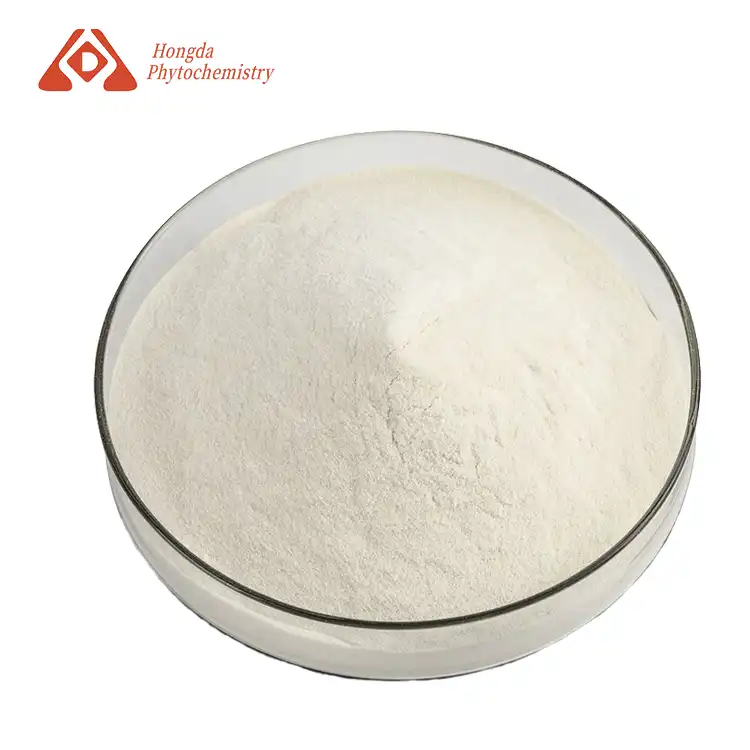
Magnesium Glycinate Powder, a popular supplement produced by leading manufacturers like Shaanxi Hongda Phytochemistry Co., Ltd., has gained significant attention in the health and wellness industry. But what exactly makes this form of magnesium so special? The answer lies in its unique composition, particularly the role of glycine. Glycine, an amino acid, plays a crucial part in enhancing the bioavailability and effectiveness of magnesium in this supplement. In Magnesium Glycinate Powder, glycine acts as a chelating agent, binding to magnesium to form a stable compound. This chelation process is key to improving magnesium absorption in the body. Unlike other forms of magnesium supplements that may cause digestive discomfort or have poor absorption rates, the glycine in magnesium glycinate helps the mineral pass through the intestinal wall more easily, leading to higher absorption rates and fewer gastrointestinal side effects. Moreover, glycine itself offers additional health benefits. It's known for its calming effects on the nervous system and its role in protein synthesis. When combined with magnesium, which is essential for numerous bodily functions including muscle and nerve function, energy production, and bone health, the result is a synergistic supplement that not only addresses magnesium deficiency but also promotes overall well-being.
How Does Glycine Enhance Magnesium Absorption?
The enhancement of magnesium absorption by glycine is a fascinating process that showcases the intelligent design of Magnesium Glycinate Powder. This mechanism is crucial in understanding why this form of magnesium supplement is often preferred over others.
The Science Behind Improved Absorption
Glycine's role in enhancing magnesium absorption is multifaceted:
- Chelation Process: Glycine forms a stable bond with magnesium, creating a compound that is more easily recognized and absorbed by the body. This chelation protects the magnesium from binding with other substances in the digestive tract that could inhibit its absorption.
- Increased Solubility: The glycine-magnesium compound is more water-soluble than other forms of magnesium. This increased solubility allows for easier passage through the intestinal wall.
- Passive Transport: Unlike some forms of magnesium that require active transport mechanisms for absorption, magnesium glycinate can be absorbed through passive transport. This means it doesn't compete with other minerals for absorption pathways, leading to more efficient uptake.
- Reduced Ionic Charge: Glycine helps to reduce the overall ionic charge of the magnesium compound. This reduction in charge makes it easier for the mineral to pass through cell membranes.
Comparison with Other Magnesium Forms
When compared to other forms of magnesium supplements, such as magnesium oxide or magnesium citrate, magnesium glycinate consistently shows superior absorption rates. For instance, while magnesium oxide has an absorption rate of only about 4%, magnesium glycinate boasts absorption rates of up to 80%, as reported by manufacturers like Shaanxi Hongda Phytochemistry Co., Ltd.
This dramatic difference in bioavailability means that individuals can achieve optimal magnesium levels with lower doses, reducing the risk of gastrointestinal side effects often associated with high-dose magnesium supplementation.
The Dual Benefit: Glycine's Calming and Mineral Transport Effects
The role of glycine in Magnesium Glycinate Powder extends beyond merely enhancing magnesium absorption. This amino acid offers its own set of health benefits, creating a dual-action supplement that addresses multiple aspects of health and wellness.
Glycine's Calming Effects on the Nervous System
Glycine is known for its inhibitory neurotransmitter properties, meaning it can help calm the nervous system. This calming effect complements magnesium's own relaxation-promoting properties, making Magnesium Glycinate Powder particularly beneficial for:
- Stress Reduction: Glycine can help reduce stress by promoting relaxation and improving sleep quality.
- Mood Regulation: Some studies suggest that glycine may have mood-stabilizing effects, potentially helping with symptoms of anxiety and depression.
- Cognitive Function: Glycine is involved in the production of important brain chemicals, potentially supporting cognitive function and mental clarity.
Synergistic Effects with Magnesium
The combination of glycine and magnesium creates a synergistic effect that enhances the benefits of both compounds:
- Improved Sleep Quality: While magnesium is known to support healthy sleep patterns, glycine can enhance this effect by promoting faster sleep onset and improving sleep quality.
- Enhanced Muscle Recovery: Magnesium plays a crucial role in muscle function, and glycine is involved in the synthesis of creatine, an important compound for muscle energy. Together, they may support better muscle recovery and performance.
- Nervous System Support: Both magnesium and glycine support healthy nervous system function, potentially offering more comprehensive support for neurological health than either compound alone.

Why Is Glycine the Ideal Magnesium Chelator?
The choice of glycine as a chelating agent for magnesium is not arbitrary. There are specific characteristics that make glycine the ideal partner for magnesium in supplement form.
Chemical Properties of Glycine
Several chemical properties of glycine make it an excellent chelator for magnesium:
- Small Molecular Size: Glycine is the smallest amino acid, which allows it to form a compact and stable complex with magnesium. This small size contributes to the high absorption rate of magnesium glycinate.
- Neutral pH: Glycine has a neutral pH, which helps maintain the stability of the magnesium-glycine compound across various pH environments in the digestive tract.
- High Solubility: Glycine is highly soluble in water, which enhances the overall solubility of the magnesium-glycine complex, facilitating easier absorption.
Biological Compatibility
Beyond its chemical properties, glycine's biological compatibility makes it an ideal chelator:
- Non-Competitive Absorption: Unlike some other amino acids, glycine doesn't compete with magnesium for absorption sites, ensuring efficient uptake of both compounds.
- Low Toxicity: Glycine is well-tolerated by the body, even in larger amounts, reducing the risk of adverse effects from supplementation.
- Versatile Biological Role: Glycine's involvement in various biological processes means that any excess not used in magnesium transport can be utilized by the body for other beneficial functions.
The combination of these factors makes glycine the ideal chelator for magnesium, resulting in a highly bioavailable and effective supplement. This is why reputable manufacturers like Shaanxi Hongda Phytochemistry Co., Ltd. choose to produce Magnesium Glycinate Powder as a premium form of magnesium supplementation.
Conclusion
The role of glycine in Magnesium Glycinate Powder is multifaceted and crucial. It not only enhances the absorption and bioavailability of magnesium but also provides additional health benefits, creating a synergistic supplement that addresses various aspects of health and wellness.
For those looking to experience the benefits of high-quality Magnesium Glycinate Powder, consider products from reputable manufacturers like Shaanxi Hongda Phytochemistry Co., Ltd. With their commitment to quality, purity, and efficacy, you can trust that you're getting a premium supplement designed to support your health goals.
Ready to enhance your magnesium intake with a superior form of supplementation? Contact Shaanxi Hongda Phytochemistry Co., Ltd. at duke@hongdaherb.com to learn more about their Magnesium Glycinate Powder and how it can benefit your health and wellness journey.
References
1. Jahnen-Dechent, W., & Ketteler, M. (2012). Magnesium basics. Clinical Kidney Journal, 5(Suppl 1), i3-i14.
2. Gröber, U., Schmidt, J., & Kisters, K. (2015). Magnesium in Prevention and Therapy. Nutrients, 7(9), 8199-8226.
3. Coudray, C., et al. (2005). Study of magnesium bioavailability from ten organic and inorganic Mg salts in Mg-depleted rats using a stable isotope approach. Magnesium Research, 18(4), 215-223.
4. Bannai, M., et al. (2012). The effects of glycine on subjective daytime performance in partially sleep-restricted healthy volunteers. Frontiers in Neurology, 3, 61.
5. DiNicolantonio, J. J., et al. (2018). Subclinical magnesium deficiency: a principal driver of cardiovascular disease and a public health crisis. Open Heart, 5(1), e000668.
6. Razak, M. A., et al. (2017). Multifarious Beneficial Effect of Nonessential Amino Acid, Glycine: A Review. Oxidative Medicine and Cellular Longevity, 2017, 1716701.