What Is The Purpose Of Taking Quercetin Powder?
2025-08-15 17:35:12
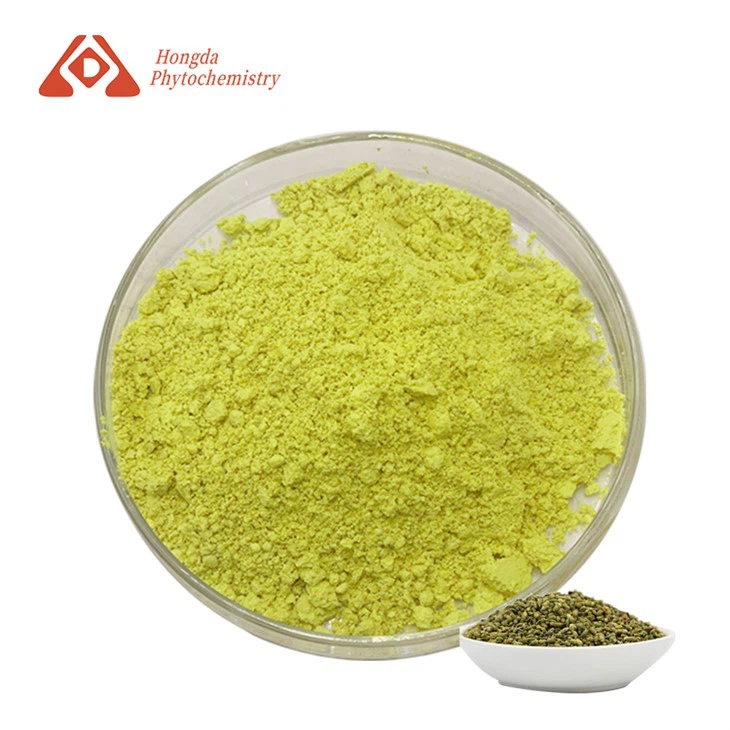
Quercetin Powder has gained significant attention in recent years for its potential health benefits. As a powerful antioxidant and anti-inflammatory compound found naturally in various fruits and vegetables, quercetin has piqued the interest of health enthusiasts and researchers alike. This flavonoid is now available in supplement form, including quercetin powder, making it easier for individuals to incorporate higher doses into their daily routine. But what exactly is the purpose of taking quercetin powder? In this blog post, we'll explore the potential benefits, uses, and considerations surrounding this popular supplement.
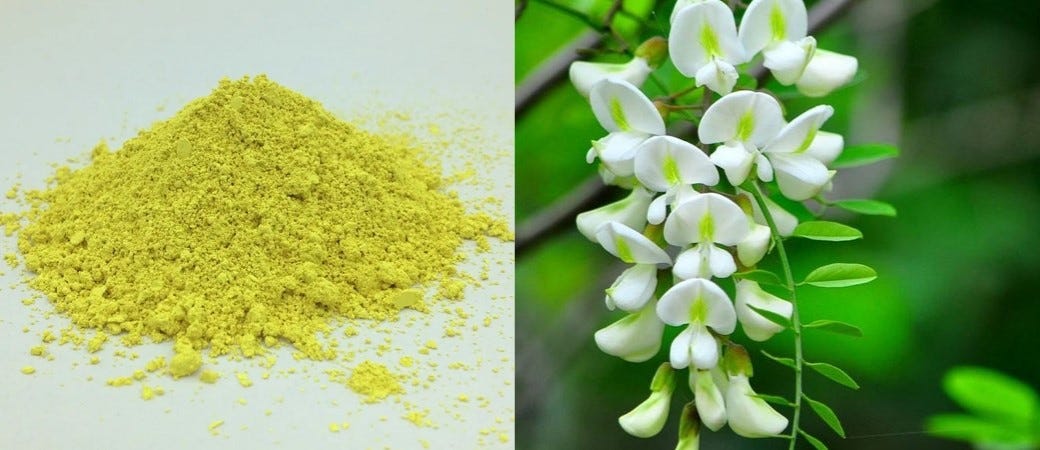
What are the health benefits of quercetin dihydrate powder?
Quercetin dihydrate powder offers a wide range of potential health benefits, making it an attractive supplement for many individuals seeking to improve their overall well-being. One of the primary reasons people turn to quercetin is its potent antioxidant properties. Antioxidants play a crucial role in protecting our cells from damage caused by free radicals, which are unstable molecules that can contribute to various chronic diseases and accelerate the aging process.
Research has shown that quercetin may help reduce oxidative stress in the body, potentially lowering the risk of several health conditions. For instance, some studies suggest that quercetin supplementation may support cardiovascular health by helping to lower blood pressure and reduce inflammation in blood vessels. This could potentially decrease the risk of heart disease and improve overall heart function.
Another significant benefit of quercetin dihydrate powder is its potential to boost the immune system. Some research indicates that quercetin may enhance the production and activity of certain immune cells, potentially helping the body defend against infections and illnesses more effectively. This immune-boosting property has led to increased interest in quercetin supplementation, especially during cold and flu seasons or when individuals are looking to strengthen their immune defenses.
Furthermore, quercetin has shown promise in supporting respiratory health. Some studies suggest that it may help alleviate allergy symptoms by inhibiting the release of histamines, which are responsible for common allergy symptoms like sneezing, itching, and congestion. This anti-allergic property makes quercetin an attractive option for individuals suffering from seasonal allergies or asthma.
In addition to these benefits, quercetin dihydrate powder may also offer support for athletic performance and recovery. Some research indicates that quercetin supplementation may help improve endurance and reduce exercise-induced fatigue. This potential benefit has made quercetin popular among athletes and fitness enthusiasts looking to enhance their performance and recovery.
It's important to note that while these potential benefits are promising, more research is needed to fully understand the extent of quercetin's effects on human health. As with any supplement, it's advisable to consult with a healthcare professional before incorporating quercetin dihydrate powder into your routine, especially if you have any pre-existing health conditions or are taking medications.

How does quercetin dihydrate powder compare to other forms of quercetin supplements?
When considering quercetin supplementation, it's essential to understand the differences between various forms of quercetin available on the market. Quercetin dihydrate powder is one of the most popular and widely used forms of quercetin supplements, but how does it compare to other options?
Quercetin dihydrate powder is a crystalline form of quercetin that contains two water molecules per quercetin molecule. This form is often preferred for its stability and bioavailability. The dihydrate form is generally more soluble in water compared to anhydrous quercetin, which may contribute to better absorption in the body.
One of the main advantages of quercetin dihydrate powder is its versatility. The powder form allows for easy customization of dosage, making it simple for users to adjust their intake according to their specific needs or as recommended by a healthcare professional. Additionally, the powder can be easily mixed into beverages, smoothies, or other foods, providing flexibility in how it's consumed.
In comparison to capsules or tablets, quercetin dihydrate powder may offer faster absorption rates. When consumed in powder form, the quercetin can come into direct contact with the digestive tract more quickly, potentially leading to more rapid absorption. This can be particularly beneficial for individuals seeking quick effects or those who have difficulty swallowing pills.
However, it's worth noting that some people may find the taste of quercetin powder to be slightly bitter or unpleasant. In such cases, encapsulated forms of quercetin might be preferred for their tasteless nature and convenience.
Another form of quercetin supplement that's gained attention is liposomal quercetin. This form encapsulates quercetin molecules within liposomes, which are tiny spheres made of phospholipids. Liposomal delivery is believed to enhance the bioavailability of quercetin by protecting it from degradation in the digestive system and facilitating its absorption into the bloodstream. While liposomal quercetin may offer improved bioavailability, it's often more expensive than standard quercetin dihydrate powder.
Some quercetin supplements also come combined with other compounds, such as vitamin C or bromelain, which are thought to enhance quercetin's absorption or effects. These combination supplements may offer synergistic benefits but can make it more challenging to isolate the effects of quercetin alone.
When choosing between different forms of quercetin supplements, it's essential to consider factors such as bioavailability, ease of use, cost, and personal preferences. Quercetin dihydrate powder offers a good balance of these factors, providing a versatile and potentially well-absorbed form of the supplement at a reasonable cost.
Ultimately, the choice between quercetin dihydrate powder and other forms of quercetin supplements may come down to individual needs and preferences. It's always advisable to consult with a healthcare professional to determine the most appropriate form and dosage for your specific health goals and circumstances.
What is the recommended dosage for quercetin dihydrate powder?
Determining the appropriate dosage of quercetin dihydrate powder is crucial for maximizing its potential benefits while minimizing the risk of side effects. However, it's important to note that there is no universally agreed-upon standard dosage for quercetin supplementation, as research is ongoing and individual needs may vary.
The recommended dosage of quercetin dihydrate powder can depend on several factors, including the specific health concern being addressed, an individual's age, weight, overall health status, and any medications they may be taking. That being said, most studies on quercetin supplementation have used doses ranging from 500 mg to 1000 mg per day.
For general health maintenance and antioxidant support, a common recommendation is to start with a lower dose of around 500 mg per day. This dose has been shown to provide potential benefits in various studies without significant risk of side effects in most individuals. Some people may gradually increase their intake to 1000 mg per day, split into two doses of 500 mg each, taken in the morning and evening.
For specific health concerns, such as allergies or inflammatory conditions, higher doses may be recommended. Some studies have used doses up to 1500 mg per day, divided into multiple doses throughout the day. However, it's crucial to note that higher doses should only be taken under the guidance of a healthcare professional, as they may increase the risk of side effects or interactions with medications.
Athletes or individuals looking to enhance exercise performance may use doses ranging from 500 mg to 1000 mg per day, often taken before physical activity. Some research suggests that these doses may help improve endurance and reduce exercise-induced inflammation.
It's worth noting that the bioavailability of quercetin can be influenced by various factors. Some studies suggest that taking quercetin with a source of fat may enhance its absorption. Additionally, combining quercetin with other compounds like vitamin C or bromelain may potentially improve its effectiveness, although more research is needed to confirm these synergistic effects.
When starting quercetin supplementation, it's generally recommended to begin with a lower dose and gradually increase it if needed. This approach allows you to assess your body's response and tolerance to the supplement. Some individuals may experience mild side effects such as headaches or digestive discomfort when first starting quercetin, which often subside as the body adjusts.
It's crucial to remember that while quercetin is generally considered safe for most people when taken in appropriate doses, it can interact with certain medications. For example, quercetin may interact with blood thinners, antibiotics, and some chemotherapy drugs. Therefore, it's essential to consult with a healthcare provider before starting quercetin supplementation, especially if you have any pre-existing health conditions or are taking medications.
Long-term safety of high-dose quercetin supplementation has not been extensively studied, so it's advisable to use the supplement cyclically or as directed by a healthcare professional. Some experts recommend taking breaks from supplementation every few months to prevent potential build-up or tolerance.
In conclusion, while quercetin dihydrate powder offers potential health benefits, determining the right dosage requires careful consideration of individual factors and health goals. Starting with a lower dose of 500 mg per day and adjusting as needed under professional guidance is a prudent approach. Always prioritize safety and consult with a healthcare provider to determine the most appropriate dosage and supplementation strategy for your specific needs.
Hongda Phytochemistry Co., Ltd. offers the added advantage of providing free samples, allowing you to experience the quality of our products firsthand. We are proud to announce the establishment of our new capsule production workshop, which enables us to customize capsule products according to your specific needs and preferences.
As part of our commitment to staying at the forefront of the industry, we actively participate in global Exhibitions such as European CPHI, European International Vitafoods, European Food Ingredients Exhibition FIE, Functional Food and Healthy Food Exhibition FFFI, American SSE, and more. This long-term engagement in international events showcases our dedication to innovation and connecting with customers worldwide.
Our Quercetin Dihydrate Powder has earned acclaim for its exceptional quality. As a reliable and consistent supplier, we look forward to establishing a long-term and stable cooperative relationship with you. Please feel free to Contact Us at duke@hongdaherb.com for further information. We are dedicated to delivering outstanding products and services that meet your unique requirements.
References:
1. Li Y, Yao J, Han C, et al. Quercetin, Inflammation and Immunity. Nutrients. 2016;8(3):167.
2. Anand David AV, Arulmoli R, Parasuraman S. Overviews of Biological Importance of Quercetin: A Bioactive Flavonoid. Pharmacogn Rev. 2016;10(20):84-89.
3. Xu D, Hu MJ, Wang YQ, Cui YL. Antioxidant Activities of Quercetin and Its Complexes for Medicinal Application. Molecules. 2019;24(6):1123.
4. Askari G, Ghiasvand R, Feizi A, Ghanadian SM, Karimian J. The effect of quercetin supplementation on selected markers of inflammation and oxidative stress. J Res Med Sci. 2012;17(7):637-641.
5. Davis JM, Murphy EA, Carmichael MD, Davis B. Quercetin increases brain and muscle mitochondrial biogenesis and exercise tolerance. Am J Physiol Regul Integr Comp Physiol. 2009;296(4):R1071-R1077.
6. Shoskes DA, Zeitlin SI, Shahed A, Rajfer J. Quercetin in men with category III chronic prostatitis: a preliminary prospective, double-blind, placebo-controlled trial. Urology. 1999;54(6):960-963.
7. Nieman DC, Henson DA, Gross SJ, et al. Quercetin reduces illness but not immune perturbations after intensive exercise. Med Sci Sports Exerc. 2007;39(9):1561-1569.
8. Boots AW, Haenen GR, Bast A. Health effects of quercetin: from antioxidant to nutraceutical. Eur J Pharmacol. 2008;585(2-3):325-337.
9. Russo M, Spagnuolo C, Tedesco I, Bilotto S, Russo GL. The flavonoid quercetin in disease prevention and therapy: facts and fancies. Biochem Pharmacol. 2012;83(1):6-15.
10. Harwood M, Danielewska-Nikiel B, Borzelleca JF, Flamm GW, Williams GM, Lines TC. A critical review of the data related to the safety of quercetin and lack of evidence of in vivo toxicity, including lack of genotoxic/carcinogenic properties. Food Chem Toxicol. 2007;45(11):2179-2205.