What Is Gamma Aminobutyric Acid (GABA)?
2025-08-30 14:48:59
Gamma aminobutyric acid (GABA) is an important neurotransmitter that plays a key role in the human central nervous system. This article provides an overview of GABA - its function, effects, dietary sources, supplements, research, safety and more.
GABA is the main inhibitory neurotransmitter in the brain, meaning it blocks or reduces signals between neurons, slowing down communication. By regulating neural activity, GABA helps maintain a balance between excitation and inhibition in the brain. This makes it critical for normal brain function.
Adequate GABA levels are associated with reduced anxiety, balanced mood, pain relief, restful sleep and more. On the other hand, low GABA is linked to overstimulation, anxiety, insomnia, seizures and cognitive conditions. The goal of this article is to comprehensively explain what GABA is, its mechanisms and effects, and the potential upsides and downsides of supplementation.
What is Gamma-Aminobutyric Acid (GABA)?
GABA is synthesized naturally in the brain from glutamate, with the help of vitamin B6. Chemically it contains 4 carbon atoms, an amino group, carboxyl group and hydrogen atom.
As an inhibitory neurotransmitter, GABA binds to specialized receptor sites called GABA receptors. This opens channels that allow negatively charged chloride ions to flow into the neuron. The influx of chloride hyperpolarizes the neuron, making it harder for it to fire.
By reducing neuron excitability, GABA counters the effects of stimulatory neurotransmitters like glutamate and aspartate. This interplay is vital for proper brain function. Optimal GABA activity induces calmness and prevents anxiety, seizures and more.

GABA and Neurotransmission
Neurotransmission involves chemical signals being passed from one neuron to the next across synapses. When an electrical impulse reaches a neuron's end, it triggers the release of neurotransmitters like γ-aminobutyric acid.
GABA then binds to receptors on the next neuron. This opens chloride channels, allowing negatively charged ions to enter. The neuron becomes hyperpolarized, meaning less responsive to stimuli. In this way, GABA suppresses excitability.
If glutamate activity becomes excessive, it can damage or kill neurons through overstimulation. GABA prevents this by activating its receptors and inhibiting neurotransmitter firing. The push and pull between GABA and glutamate allows different brain regions to coordinate properly.
Imbalances in GABA neurotransmission are implicated in seizures, movement disorders, anxiety and more. Understanding these mechanisms could lead to improved GABA-targeting treatments.

Functions and Benefits of GABA
By regulating neural excitation, GABA provides wide-ranging cognitive and physical benefits:
Reduces Anxiety: Low γ-aminobutyric acid is associated with acute anxiety and stress disorders. Studies indicate GABA supplements may alleviate subjective anxiety feelings.
Promotes Sleep: GABA levels rise before and during deep sleep. Low GABA is linked to insomnia, and supplements may improve sleep quality.
Relieves Pain: GABA receptors are found in pain pathways. Increased GABA activity reduces symptoms of chronic pain conditions.
Prevents Seizures: Anti-seizure drugs act by increasing GABA activity in the brain. This demonstrates GABA's protective effects.
Other potential benefits of optimal GABA levels include stabilized mood, increased focus, better memory, muscle growth promotion, and fat burning support.
GABA Supplements and Natural Sources
Due to its health benefits, GABA supplements like pills, powders and drinks are popular. These are synthesized in labs, often as GABA hydrochloride solution or GABA anion from evaporation.
Some contain niacinamide to boost GABA absorption. Natural ways to promote GABA include:
- Glutamate-rich foods like spinach, broccoli, peas, and grains.
- Fermented foods including kimchi, kefir, miso, and yogurt.
- Relaxation techniques like yoga, meditation, and deep breathing.
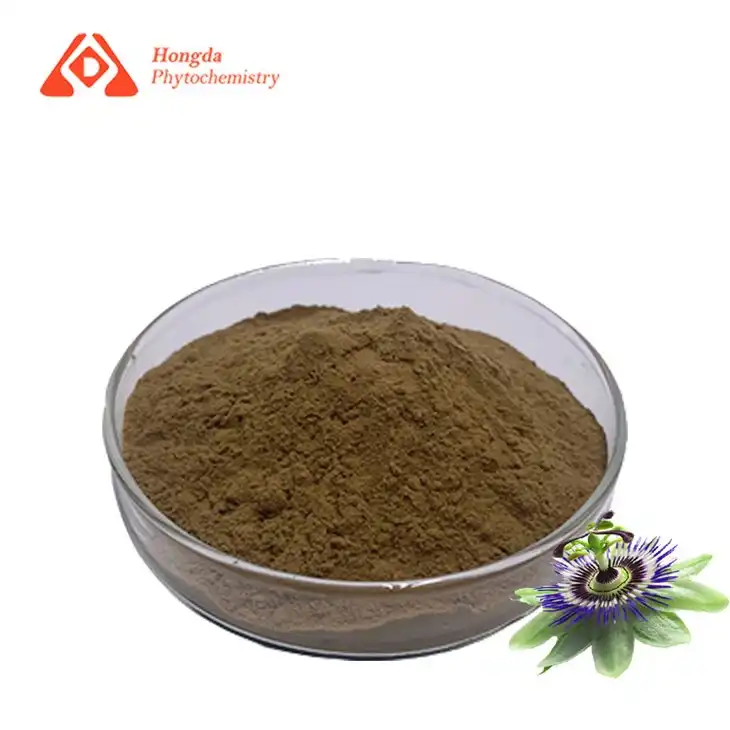
- Herbal extracts such as lemon balm, passionflower, and valerian root.
- Regular exercise, which stimulates GABA synthesis.
Potential Health Effects and Research
While promising, Gamma Aminobutyric Acid Powder research is still in early stages, often involving animal studies or small human trials with limitations.
Some findings on supplemental GABA include improved sleep, blood pressure regulation, growth hormone release, and pain tolerance. But overall evidence is considered weak due to lack of large, high-quality human studies.
For example, reviews on GABA for anxiety concluded current data is insufficient to confirm efficacy. Larger controlled trials are needed to validate initial results.
Debate also exists around GABA supplements crossing the blood-brain barrier. Unlike pharmaceutical GABA drugs, supplemental bioavailability may be limited. This could explain mixed study results.
More research on enhanced delivery methods and larger clinical trials across conditions are needed to clarify GABA's therapeutic potential.
Safety and Side Effects
GABA supplements are generally considered safe short-term but potential side effects include drowsiness, breathing issues, low blood pressure, tingling and more. Long-term safety is unknown.
Interactions may occur with gabapentin, baclofen, benzodiazepines, and other medications that target GABA activity. This could lead to excessive sedation. Those with hormone-sensitive conditions should avoid GABA due to growth hormone effects.
Dosages of 500-1000mg daily are common, but effects can vary widely. It's best to start low under medical guidance and avoid prolonged use due to possible hormonal interactions.
In Summary
Gamma Aminobutyric Acid Powder is a vital inhibitory neurotransmitter that regulates communication between brain cells. It provides wide-ranging benefits to brain function and physical health when maintained at optimal levels. Use of synthetic GABA supplements shows potential but requires more extensive research to confirm efficacy and safety, especially long-term. For now, dietary sources, stress reduction, and exercise may be preferable ways to support natural GABA function. Always consult a doctor before beginning supplementation.
Hongda Phytochemistry Co., Ltd. offers an array of additional corporate advantages that further enhance our standing in the industry. As we directly produce our products, we have the flexibility to accept customized production and Packaging requests, tailoring our offerings to meet specific client requirements. Additionally, we provide free samples, allowing potential customers to experience the quality and effectiveness of our products firsthand.
With the recent addition of a new capsule production workshop, we are equipped to customize capsule products, expanding our product offerings and catering to diverse market needs. Furthermore, we actively participate in renowned global Exhibitions such as European CPHI, European International Vitafoods, European Food Ingredients Exhibition FIE, Functional Food and Healthy Food Exhibition FFFI, and American SSE. This extensive exhibition presence signifies our commitment to engaging with the global market and staying at the forefront of industry trends. If you are considering purchasing Bulk Gamma Aminobutyric Acid Powder or would like more information about this product, please do not hesitate to contact our dedicated team at duke@hongdaherb.com. We are here to assist you and provide detailed insights into our offerings.
References
1. Petroff OA. GABA and glutamate in the human brain. The Neuroscientist. 2002.
2. Young SZ, Bordey A. GABA's control of stem and cancer cell proliferation in adult neural and peripheral niches. Physiology. 2009.
3. Lydiard RB. The role of GABA in anxiety disorders. J Clin Psychiatry. 2003.
4. Purves D et al. Neuroscience. 2nd edition. Sunderland (MA): Sinauer Associates; 2001.
5. Watanabe M et al. GABA and GABA receptors in the central nervous system and other organs. Int Rev Cytol. 2002.
6. Petroff OA. Book chapter: GABA and glutamate in the human brain. Neurotransmitter interactions and contrasting roles in schizophrenia. 2002.
7. Enna SJ. Role of gamma-aminobutyric acid in anxiety. Psychopathology. 1984.
8. Abdou AM et al. Relaxation and immunity enhancement effects of gamma-aminobutyric acid (GABA) administration in humans. Biofactors. 2006.
9. Kanehira T et al. Relieving occupational fatigue by consumption of a beverage containing γ-amino butyric acid. J Nutr Sci Vitaminol (Tokyo). 2011.
10. Shell W et al. A randomized, placebo-controlled trial of an amino acid preparation on timing and quality of sleep. Am J Ther. 2010.





YOU MAY LIKE