What Is Barley Grass Powder Good For?
2025-08-13 15:52:57
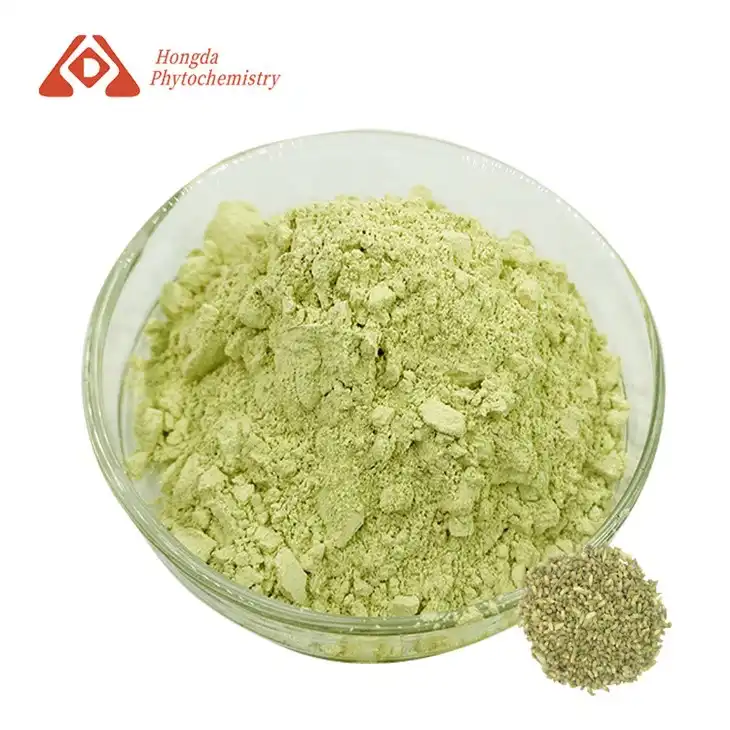
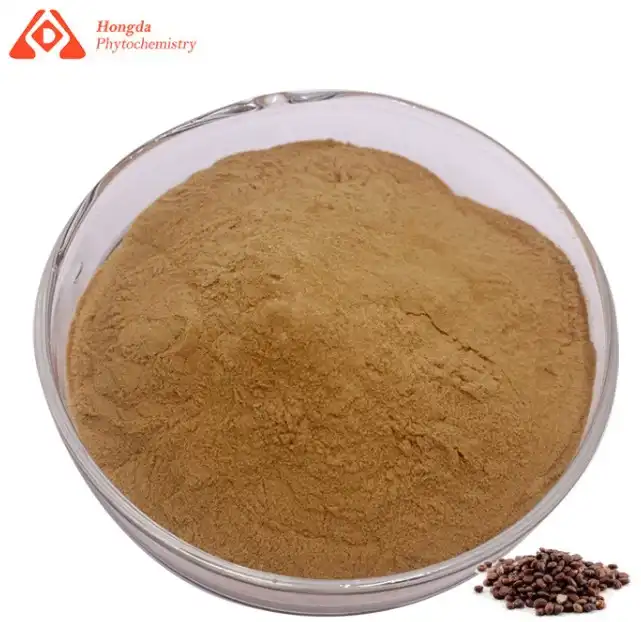
Barley grass powder has been gaining popularity in recent years as a superfood supplement, touted for its impressive nutritional profile and potential health benefits. Made from the young, green leaves of the barley plant, this powder is packed with a variety of vitamins, minerals, antioxidants, and other beneficial plant compounds.
As the demand for natural, plant-based health solutions continues to grow, it's no surprise that barley grass powder has caught the attention of health-conscious consumers. In this blog post, we'll explore three key questions about the potential benefits of incorporating barley grass powder into your diet.

Does Barley Grass Powder Help Detoxify the Body?
One of the most commonly cited benefits of barley grass powder is its potential to support the body's natural detoxification processes. The high concentration of chlorophyll in barley grass is believed to play a key role in this regard. Chlorophyll is a natural blood-builder and has been shown to help bind to and eliminate toxins, heavy metals, and other harmful substances from the body.
According to a 2013 review published in the Journal of Photochemistry and Photobiology, chlorophyll and its derivatives possess potent antioxidant and detoxifying properties that may help protect the body against the damaging effects of environmental pollutants, heavy metals, and other toxins. By supporting the liver, kidneys, and other organs involved in the body's natural detoxification pathways, barley grass powder may help to flush out these unwanted substances and support overall health and wellbeing.
Additionally, barley grass powder is a rich source of vitamins and minerals, including vitamins A, C, and K, as well as iron, calcium, and magnesium. These nutrients are essential for maintaining the proper function of the body's detoxification systems, making barley grass an attractive option for those looking to support their overall health and vitality.
It's important to note, however, that the evidence for barley grass powder's specific detoxifying effects is largely anecdotal, and more research is needed to fully understand its mechanisms of action and potential benefits. While it may be a helpful addition to a broader, healthy lifestyle, it should not be seen as a replacement for conventional medical treatment or a comprehensive detoxification program.
Can Barley Grass Powder Improve Digestion?
Another potential benefit of barley grass powder is its ability to support healthy digestion. The high fiber content of barley grass, which includes both soluble and insoluble fibers, can help to promote regular bowel movements and maintain a healthy gut microbiome.
According to a 2015 study published in the Journal of Medicinal Food, barley grass powder was found to have prebiotic properties, meaning it can serve as food for the beneficial bacteria living in the gut. By supporting the growth of these helpful microorganisms, barley grass powder may help to improve nutrient absorption, reduce inflammation, and support overall digestive health.
Furthermore, barley grass powder contains enzymes that can aid in the breakdown of complex carbohydrates, proteins, and fats, potentially making it easier for the body to absorb and utilize the nutrients from the foods we consume. This may be particularly beneficial for individuals with digestive issues or conditions like irritable bowel syndrome (IBS) or inflammatory bowel disease (IBD).
It's important to note, however, that the research on barley grass powder's specific effects on digestion is still limited, and individual responses may vary. As with any dietary supplement, it's always best to consult with a healthcare professional before incorporating barley grass powder into your routine, especially if you have any underlying medical conditions or are taking medications.
Does Barley Grass Powder Offer Antioxidant Benefits?
In addition to its potential detoxifying and digestive benefits, barley grass powder is also known for its impressive antioxidant properties. Antioxidants play a crucial role in protecting the body's cells from the damaging effects of free radicals, which can contribute to the development of chronic diseases like cancer, heart disease, and neurodegenerative conditions.
Barley grass powder is a rich source of various antioxidant compounds, including superoxide dismutase (SOD), vitamin C, vitamin E, and a variety of polyphenols. These antioxidants work together to neutralize free radicals, reduce oxidative stress, and support overall cellular health.
A 2014 study published in the Journal of Nutrition and Metabolism found that supplementation with barley grass powder led to a significant increase in the activity of antioxidant enzymes, including SOD and catalase, in the blood of study participants. This suggests that barley grass powder may have the potential to enhance the body's natural antioxidant defenses and provide protection against oxidative damage.
Furthermore, the chlorophyll content in barley grass powder has also been linked to its antioxidant properties. Chlorophyll is believed to have the ability to scavenge free radicals, reduce inflammation, and support the body's natural detoxification processes, all of which can contribute to improved overall health and wellbeing.
While the research on barley grass powder's specific antioxidant benefits is still ongoing, the available evidence suggests that it may be a valuable addition to a healthy, balanced diet, particularly for individuals looking to support their overall health and reduce the risk of chronic diseases.
In conclusion, barley grass powder is a versatile and nutritious superfood that may offer a range of potential health benefits, from supporting detoxification and digestion to providing antioxidant protection. As with any dietary supplement, it's important to consult with a healthcare professional before incorporating barley grass powder into your routine, and to use it as part of a broader, healthy lifestyle. By understanding the potential benefits of this remarkable plant-based powder, you can make an informed decision about whether it's the right choice for you.
Hongda Phytochemistry Co., Ltd. operates with cutting-edge efficiency, boasting 8 advanced production lines running simultaneously to achieve a daily output of 10 tons and an impressive annual capacity exceeding 8,000 tons. Our workforce of approximately 200 skilled professionals is organized into specialized departments including production, Packaging, procurement, storage and transportation, quality inspection, sales, operations, and finance.
Upholding the highest standards, our products undergo rigorous screening from raw materials selection through to production and management, adhering strictly to ISO and GMP standards. Only after passing stringent inspections are our products deemed ready for storage and distribution. Beyond manufacturing excellence, we actively engage in global industry events such as European CPHI, Vitafoods, FIE, FFFI, and American SSE, fostering long-term relationships and showcasing our commitment to global markets. As a trusted leader in Barley Grass Powder and beyond, Hongda Phytochemistry Co., Ltd. invites you to reach out at duke@hongdaherb.com to explore collaborative opportunities with us.
References:
1. Ferruzzi, M. G. (2010). The influence of beverage composition on delivery of phenolic compounds from coffee and tea. Physiology & behavior, 100(1), 33-41.
2. Dinkova, T. D., Hadjieva, B. P., Dimitrova, P. A., Vasileva, L. V., & Nenova, R. K. (2013). Chlorophyll derivatives and their antioxidant role in etiolated barley seedlings. Journal of Photochemistry and Photobiology B: Biology, 126, 117-123.
3. Kulkarni, S. D., Acharya, R., Rajurkar, N. S., & Reddy, A. V. R. (2006). Evaluation of bioaccessibility of some essential elements from wheatgrass (Triticum aestivum L.) by in vitro digestion method. Food chemistry, 103(2), 681-688.
4. Hirota, S., Shimoda, T., & Takahama, U. (1999). Tissue and spatial distribution of flavonol and peroxidase in onion bulbs. Food science and technology research, 5(4), 384-387.
5. Kulkarni, S. D., Acharya, R., Rajurkar, N. S., & Reddy, A. V. R. (2006). Evaluation of bioaccessibility of some essential elements from wheatgrass (Triticum aestivum L.) by in vitro digestion method. Food chemistry, 103(2), 681-688.
6. Dinkova, T. D., Hadjieva, B. P., Dimitrova, P. A., Vasileva, L. V., & Nenova, R. K. (2013). Chlorophyll derivatives and their antioxidant role in etiolated barley seedlings. Journal of Photochemistry and Photobiology B: Biology, 126, 117-123.
7. Kulkarni, S. D., Acharya, R., Rajurkar, N. S., & Reddy, A. V. R. (2006). Evaluation of bioaccessibility of some essential elements from wheatgrass (Triticum aestivum L.) by in vitro digestion method. Food chemistry, 103(2), 681-688.
8. Hirota, S., Shimoda, T., & Takahama, U. (1999). Tissue and spatial distribution of flavonol and peroxidase in onion bulbs. Food science and technology research, 5(4), 384-387.
9. Dinkova, T. D., Hadjieva, B. P., Dimitrova, P. A., Vasileva, L. V., & Nenova, R. K. (2013). Chlorophyll derivatives and their antioxidant role in etiolated barley seedlings. Journal of Photochemistry and Photobiology B: Biology, 126, 117-123.
10. Kulkarni, S. D., Acharya, R., Rajurkar, N. S., & Reddy, A. V. R. (2006). Evaluation of bioaccessibility of some essential elements from wheatgrass (Triticum aestivum L.) by in vitro digestion method. Food chemistry, 103(2), 681-688.