What Does Vitamin K2 Powder Do To Face?
2025-08-15 14:35:13
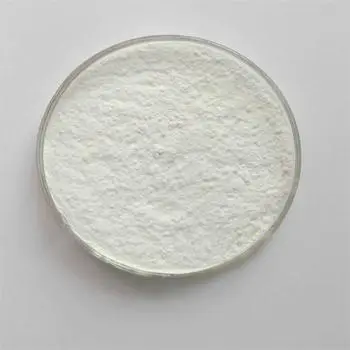
Vitamin K2 powder has gained attention in the skincare world for its potential benefits when applied topically to the face. This fat-soluble vitamin, known primarily for its role in blood clotting and bone health, is now being explored for its effects on skin health and appearance. In this blog post, we'll delve into the potential impacts of Vitamin K2 powder on facial skin and address some common questions surrounding its use.
How does Vitamin K2 powder benefit skin elasticity?
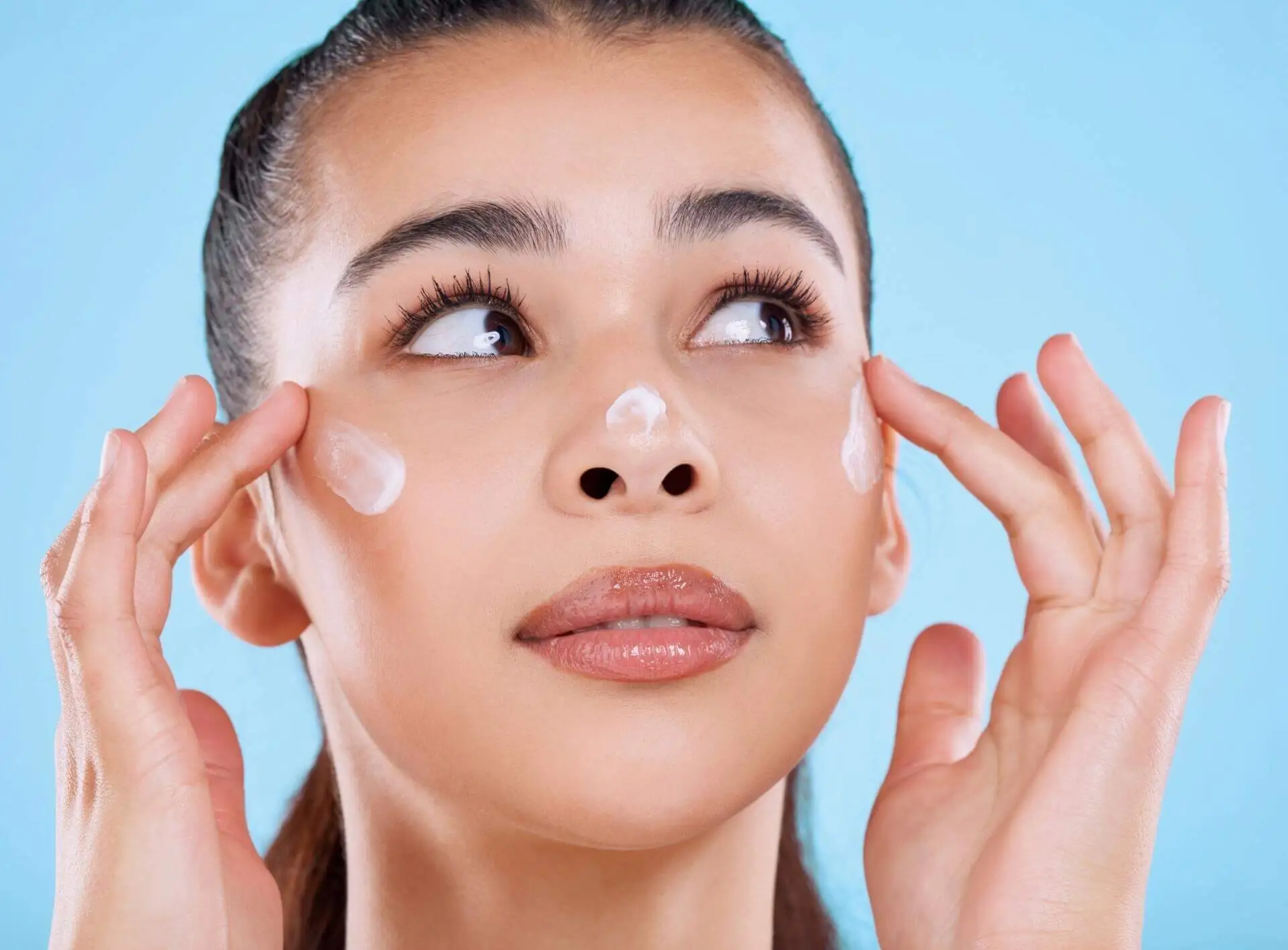
Vitamin K2 powder may play a significant role in improving skin elasticity, a key factor in maintaining a youthful appearance. The mechanism behind this benefit lies in Vitamin K2's ability to activate certain proteins that are crucial for skin health.
One of the primary ways Vitamin K2 supports skin elasticity is through its interaction with elastin, a protein that gives skin its ability to stretch and return to its original shape. As we age, elastin production decreases, leading to sagging and wrinkles. Vitamin K2 is believed to help maintain and possibly enhance elastin production, potentially resulting in firmer, more resilient skin.
Moreover, Vitamin K2 plays a role in calcium regulation within the body. While calcium is essential for various bodily functions, excess calcium in skin cells can lead to a breakdown of elastin fibers. By helping to ensure proper calcium distribution, Vitamin K2 may indirectly support skin elasticity by preventing elastin degradation.
Research has also suggested that Vitamin K2 may stimulate the production of collagen, another protein crucial for skin structure and elasticity. Collagen provides the scaffolding that gives skin its firmness and helps it resist the effects of gravity. By potentially boosting collagen synthesis, Vitamin K2 could contribute to overall skin firmness and resilience.
It's important to note that while these potential benefits are promising, more research is needed to fully understand the extent of Vitamin K2's impact on skin elasticity when applied topically. Factors such as the concentration of Vitamin K2 in skincare products, the formulation of these products, and individual skin types may all influence its effectiveness.
Can Vitamin K2 powder reduce dark circles under eyes?
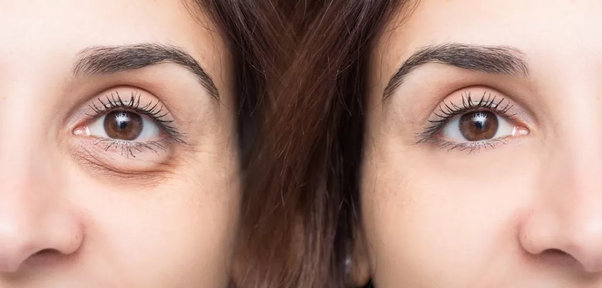
The potential of Vitamin K2 powder to reduce dark circles under the eyes has been a topic of interest in the skincare community. Dark circles can be caused by various factors, including genetics, lack of sleep, aging, and poor circulation. Vitamin K2 may address some of these underlying causes, potentially leading to a reduction in the appearance of dark circles.
One of the primary ways Vitamin K2 might help with dark circles is through its potential to improve blood circulation. Dark circles are often exacerbated by poor blood flow in the delicate under-eye area. Vitamin K2 is known to play a role in vascular health, potentially helping to strengthen blood vessels and improve circulation. This improved blood flow could lead to a reduction in the pooling of blood under the eyes, which often contributes to the appearance of dark circles.
Additionally, Vitamin K2 has been associated with reducing inflammation. Inflammation in the under-eye area can contribute to puffiness and discoloration. By potentially reducing inflammation, Vitamin K2 might help alleviate some of the factors that contribute to the appearance of dark circles.
Vitamin K2's potential to support collagen production may also play a role in reducing dark circles. As we age, the skin under our eyes becomes thinner, making blood vessels more visible and contributing to the appearance of dark circles. By potentially boosting collagen production, Vitamin K2 might help thicken and strengthen the delicate under-eye skin, making it less transparent and reducing the visibility of underlying blood vessels.
It's worth noting that while some studies have shown promising results for Vitamin K in reducing dark circles, most of this research has focused on Vitamin K1 rather than K2. More specific research on Vitamin K2's effects on dark circles is needed to draw definitive conclusions.
When considering using Vitamin K2 powder for dark circles, it's important to remember that results may vary depending on the individual and the underlying cause of their dark circles. For some people, topical application of Vitamin K2 may provide noticeable improvements, while others may see little change. As with any skincare treatment, consistency in application and patience are key, as it may take several weeks or even months to see significant results.
Is Vitamin K2 powder effective for treating acne scars?
The potential of Vitamin K2 powder in treating acne scars has been a subject of interest among skincare enthusiasts and researchers alike. While more studies are needed to definitively prove its efficacy, there are several reasons why Vitamin K2 might be beneficial for addressing acne scars.
Acne scars are often the result of inflammation and damage to the skin during the healing process of acne lesions. They can manifest as discolored marks (post-inflammatory hyperpigmentation) or as textural changes in the skin (such as ice pick, boxcar, or rolling scars). Vitamin K2's potential benefits for acne scars stem from its various properties that could aid in skin healing and regeneration.
One of the primary ways Vitamin K2 might help with acne scars is through its potential anti-inflammatory properties. Inflammation plays a significant role in the formation of acne scars, and by reducing inflammation, Vitamin K2 could potentially minimize the severity of scarring during the healing process. This anti-inflammatory action might be particularly beneficial for recent acne lesions, potentially preventing them from developing into more severe scars.
Vitamin K2's potential to support collagen production is another factor that could make it beneficial for treating acne scars. Collagen is crucial for skin healing and regeneration. By potentially boosting collagen synthesis, Vitamin K2 might help improve the overall texture and appearance of scarred skin. This could be particularly beneficial for atrophic scars (those that appear as depressions in the skin) as increased collagen production could help "fill in" these areas.
Furthermore, Vitamin K2's potential to improve skin elasticity, as discussed earlier, could also contribute to its efficacy in treating acne scars. Improved skin elasticity could help the skin better recover from damage, potentially reducing the appearance of existing scars and preventing new ones from forming.
Some research has also suggested that Vitamin K (though most studies have focused on Vitamin K1) may have skin-lightening properties. This could potentially help address the discoloration often associated with post-inflammatory hyperpigmentation, a common type of acne scarring.
It's important to note that while these potential benefits are promising, the effectiveness of Vitamin K2 powder for acne scars may vary depending on several factors. These include the type and severity of the scars, how long they've been present, the concentration and formulation of the Vitamin K2 product used, and individual skin characteristics.
When considering using Vitamin K2 powder for acne scars, it's crucial to have realistic expectations. While it may help improve the appearance of scars over time, it's unlikely to completely erase deep or long-standing scars. For best results, Vitamin K2 should be used as part of a comprehensive skincare routine that includes other scar-fighting ingredients and treatments as recommended by a dermatologist.

In conclusion, Vitamin K2 powder shows promise in various aspects of facial skincare, from potentially improving skin elasticity to possibly reducing dark circles and aiding in the treatment of acne scars. While more research is needed to fully understand its effects and optimal use in skincare, the existing evidence suggests that Vitamin K2 could be a valuable addition to many skincare routines. As with any new skincare ingredient, it's always best to consult with a dermatologist or skincare professional before incorporating Vitamin K2 powder into your regimen, especially if you have sensitive skin or any existing skin conditions. Remember that skincare is not one-size-fits-all, and what works for one person may not work for another. Patience and consistency are key when trying any new skincare treatment, including Vitamin K2 powder.
Hongda Phytochemistry Co., Ltd. operates 8 advanced production lines concurrently, achieving a daily output of 10 tons and an annual capacity of 8000 metric tons. With a workforce of approximately 200 employees, our company is organized into multiple departments including Production, Packaging, Procurement, Logistics, Quality Assurance, Sales, Operations, and Finance. We uphold stringent standards starting from meticulous raw material selection, through production and management in accordance with ISO and GMP criteria, ensuring that only products passing rigorous inspections are admitted into our warehouses.
We offer OEM/ODM processing and specialize in direct manufacturing, accommodating bespoke production and packaging requirements. Additionally, we provide complimentary samples upon request. For further information or inquiries about our products, feel free to Contact Us at duke@hongdaherb.com. As experts in Vitamin K2 MK7 Powder manufacturing, we are dedicated to delivering exceptional quality and service.
References:
1. Gheduzzi, D., et al. (2007). Matrix Gla protein is involved in elastic fiber calcification in the dermis of pseudoxanthoma elasticum patients. Laboratory Investigation, 87(10), 998-1008.
2. Shearer, M. J., & Newman, P. (2008). Metabolism and cell biology of vitamin K. Thrombosis and Haemostasis, 100(10), 530-547.
3. Fusaro, M., et al. (2017). Vitamin K and bone. Clinical Cases in Mineral and Bone Metabolism, 14(2), 200-206.
4. Maresz, K. (2015). Proper Calcium Use: Vitamin K2 as a Promoter of Bone and Cardiovascular Health. Integrative Medicine: A Clinician's Journal, 14(1), 34-39.
5. Pilkington, S. M., et al. (2015). Vitamin D and the skin: Focus on a complex relationship: A review. Journal of Advanced Research, 6(6), 793-804.
6. Ahmadraji, F., & Shatalebi, M. A. (2015). Evaluation of the clinical efficacy and safety of an eye counter pad containing caffeine and vitamin K in emulsified Emu oil base. Advanced Biomedical Research, 4, 10.
7. Roh, E., et al. (2015). Molecular mechanisms of green tea polyphenols with protective effects against skin photoaging. Critical Reviews in Food Science and Nutrition, 57(8), 1631-1637.
8. Sidgwick, G. P., et al. (2015). Hyaluronan: A multifunctional, megaDalton, stealth molecule. International Journal of Molecular Sciences, 16(8), 18281-18295.
9. Ganceviciene, R., et al. (2012). Skin anti-aging strategies. Dermato-endocrinology, 4(3), 308-319.
10. Milstone, L. M. (2004). Epidermal desquamation. Journal of Dermatological Science, 36(3), 131-140.