What Does Magnesium L-Threonate Do For You?
2025-08-18 10:02:49
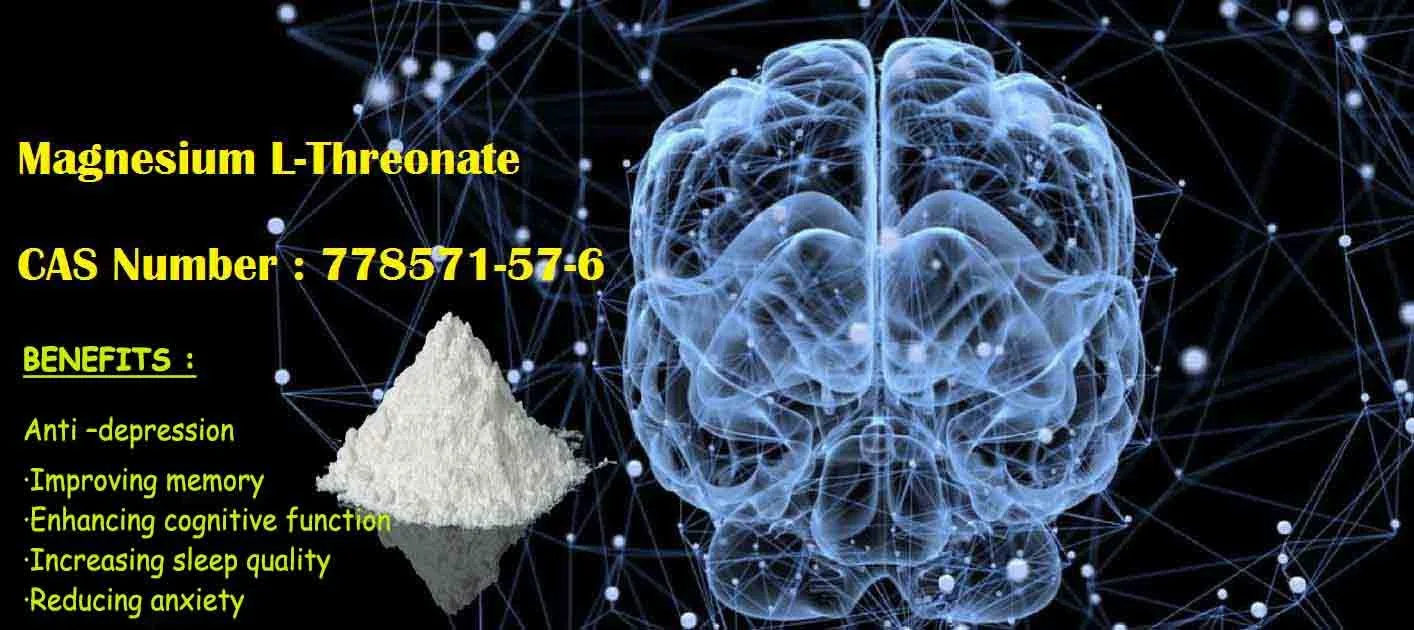
Magnesium L-threonate is a novel form of magnesium gaining significant interest for its potential to support cognitive function and overall brain health. Unlike traditional magnesium supplements, preliminary research suggests L-threonate can effectively cross the blood-brain barrier and increase brain magnesium levels when supplemented. This allows it to target cellular signaling pathways in the brain itself to exert nootropic and neuroprotective effects.
This article explores the unique composition of magnesium L-threonate, its reported benefits for memory, cognition, sleep and neurological health, current scientific support and limitations, safety considerations, and what to expect when using this form of magnesium.
Understanding Magnesium L-Threonate
Magnesium L-threonate's structure consists of magnesium ions (Mg2+) bound to L-threonate molecules. It is believed this distinct chemical configuration gives it superior absorption and retention in the brain compared to other supplemental forms like magnesium oxide or magnesium citrate.
Most of the body's magnesium resides in bones and soft tissues, with less than 1% found in brain tissue and cerebrospinal fluid. However, even slight shortfalls in brain magnesium availability are increasingly linked to impaired cognition, memory lapses, and accelerated neurological aging.
Therefore, magnesium L-threonate's capacity to safely deliver and maintain elevated magnesium concentrations in the brain may promote diverse benefits related to healthy neuronal signaling, synaptic plasticity, and overall mental performance as we age.
Cognitive and Brain Health Benefits
Enhanced Memory, Learning and Cognitive Performance
In both animal and human trials, magnesium L-threonate supplementation demonstrates measurable improvements in memory, learning ability and overall cognition. Proposed mechanisms include increased magnesium concentrations inside synapses, which facilitate long-term potentiation essential for memory formation and dynamic brain plasticity.
By bolstering magnesium bioavailability in these critical junctions for cognitive processing and memory encoding, L-threonate may help sharpen mental clarity, recall speed, pattern recognition, and various facets of fluid intelligence in aging populations.
Neuroprotective Effects
Alongside cognitive enhancement in healthy brains, accumulating research indicates magnesium L-threonate holds significant promise for promoting neurological health and resilience against age-related neurodegeneration.
Animal studies reveal it exerts neuroprotective effects against hallmarks of Alzheimer's pathology. This includes reducing beta-amyloid plaque accumulation and tau protein tangles through increased magnesium binding capacity. L-threonate also demonstrates antioxidant, anti-inflammatory and anti-apoptotic activity in the brain to mitigate gradual neural damage over time.
One intriguing study also showed improved functional recovery of rat brains after traumatic injury when treated with L-threonate, indicative of neural regenerative capacities. Collectively, these mechanisms paint L-threonate as a uniquely helpful magnesium compound for deterring subcortical atrophy and neurological decline associated with aging.
Enhanced Sleep Quality
Research indicates magnesium deficiency contributes to insomnia and poor sleep quality, while optimization improves sleep efficiency. Human trials find consistent improvements in sleep quality in older adults supplemented with magnesium L-threonate, including increased time in deeper, restorative sleep stages.
Alongside directly promoting brain cell health and cognition, L-threonate's sleep-enhancing effects may also benefit daily mental energy, productivity and alertness. As sleep mechanisms undergo age-related changes, maintaining healthy sleep patterns is a key aspect of supporting cognitive health long-term.
Scientific Evidence and Research Findings
Human Research Demonstrates Memory Enhancement
Among the most compelling human research includes double-blind, placebo-controlled trials examining L-threonate's impact on age-related cognitive decline.
One frequently cited study gave 1,800 mg/day of magnesium L-threonate or placebo to older adults with mild cognitive impairment for 12 weeks. The L-threonate group showed significant improvements on clinical tests assessing short-term recall speed and capacity versus placebo. MRI scans also revealed therapeutic increases in functional connectivity and signaling activity in regions governing memory encoding and retrieval with L-threonate supplementation.
Another similar 12-week trial found comparable improvements in episodic memory and cognitive function in aging adults relative to placebo controls. It also reported superior magnesium bioavailability and retention in cerebrospinal fluid with L-threonate treatment.
Together these robust human studies provide early but promising clinical evidence that daily L-threonate intake may counteract memory loss and sharpen aging minds.
Preclinical Research in Cell and Animal Models
Beyond clinical investigations, abundant preclinical research explores mechanisms underpinning L-threonate's neurological effects. Studies demonstrate it readily crosses the blood-brain barrier then converts into active magnesium ions to increase synaptic magnesium concentrations by 15% or more. This leads to enhanced NMDA and BDNF signaling activity essential for long-term potentiation linked to learning and memory encoding.
Additional research confirms L-threonate's efficacy preventing pathological features implicated in Alzheimer's disease, vascular dementia and related neurodegeneration in animal models. Reported structural improvements include increased synapse and neural spine density, restored myelin formation, reduced plaque burden, dampened inflammation, and constrained apoptotic signaling cascades.
Limitations of Current Research
Despite intriguing early validation, L-threonate remains an emerging niche supplement requiring expanded clinical trials to cement therapeutic efficacy and optimal dosing recommendations. Most physiological research is restricted to animal models as well, warranting further investigation in human participants to substantiate cognition and health benefits.
Longer double-blind trials with more participants are needed to gauge efficacy preventing age-related cognitive changes over months to years of treatment. Assessing bioavailability relative to other supplemental forms of magnesium using sensitive imaging techniques would also help strengthen empirical grounds for claims of enhanced brain delivery.
Overall the preliminary collective evidence supporting brain and mental effects is extremely promising. However consumers should appreciate the relatively nascent state of L-threonate research as they evaluate incorporating it into personal health regimens.
Practical Applications and Considerations
Recommended Doses
Human trials demonstrating psychological benefits implement dosages between 1,000 – 2,000 milligrams elemental magnesium from L-threonate salt forms per day. This typically equates to approximately 1,800 – 3,600 milligrams of magnesium L-threonate powder itself.
Preliminary evidence suggests this range provides ample magnesium to elicit neurological effects without exceeding laxative thresholds associated with hypermagnesemia. Those currently on medications or with impaired kidney function should exercise caution and consult physicians before supplementing.
Managing Expectations with Supplementation
Despite optimal dosing protocols, responses remain highly individualized due to influences like genetics, diet, lifestyle factors and underlying nutrient status. While some may notice rapid effects on mental endurance, it may take weeks or months of routine use for benefits to fully emerge in others.
Allowing adequate supplementation periods before assessing personal effects seems reasonable. Additionally tracking symptom changes over time can help determine if sustained use is worthwhile.
Pairing with Complementary Supplements
Some preliminary reports indicate pairing Magnesium L-Threonate with complementary compounds like DHA omega-3 fatty acids or phosphatidylserine may augment and accelerate neurological effects.
Both are critical structural components in brain grey matter known to support cognition and neural plasticity. While additive benefits currently lack clinical verification, combining L-threonate with other well-validated nootropics could hypothetically maximize therapeutic effects on brain vitality.
Concluding Remarks
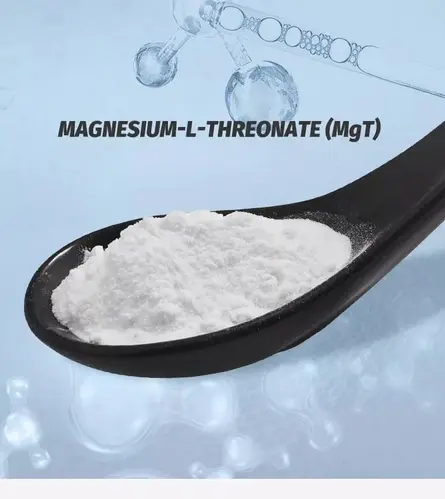
With cognitive impairment looming as an escalating public health issue, safe supplements bolstering mental faculties are increasingly valued. As a highly absorbable form of magnesium, L-threonate promotes improved memory, quicker recall speed, enhanced learning capacity and sharper working memory in aging brains through increased synaptic magnesium concentrations.
Alongside cognitive benefits, early research highlights L-threonate's efficacy preventing pathological hallmarks implicated in Alzheimer's disease and related neurodegeneration in animal models. It also acts through antioxidant, anti-inflammatory and regenerative pathways to promote sustained neurological health over time.
Though larger scale human trials over longer periods are still required to verify therapeutic efficacy, current evidence powerfully demonstrates this unique compound readily crosses the blood-brain barrier then exerts profound effects on structural and functional brain integrity. Those looking to sustain youthful cognitive abilities deep into later life may find taking L-threonate daily strikingly effective. Nonetheless working closely with healthcare teams to determine personal effects remains highly advisable.
Hongda Phytochemistry Co., Ltd. offers customers the added advantage of being able to produce and package products based on their specific requirements. We take pride in our in-house production capabilities, which enable us to deliver customized solutions that meet our clients' unique needs. To ensure that our customers can make informed decisions, we provide free samples of our products. This gives them the opportunity to evaluate our products before making a purchase decision.
Our new capsule production workshop adds to our existing infrastructure and enables us to customize capsule products for our clients. We are committed to expanding our reach globally and participate in key Exhibitions such as European CPHI, European International Vitafoods, European Food Ingredients Exhibition FIE, Functional Food and Healthy Food Exhibition FFFI, American SSE, and more. These platforms give us the opportunity to showcase our products and connect with potential clients from around the world.
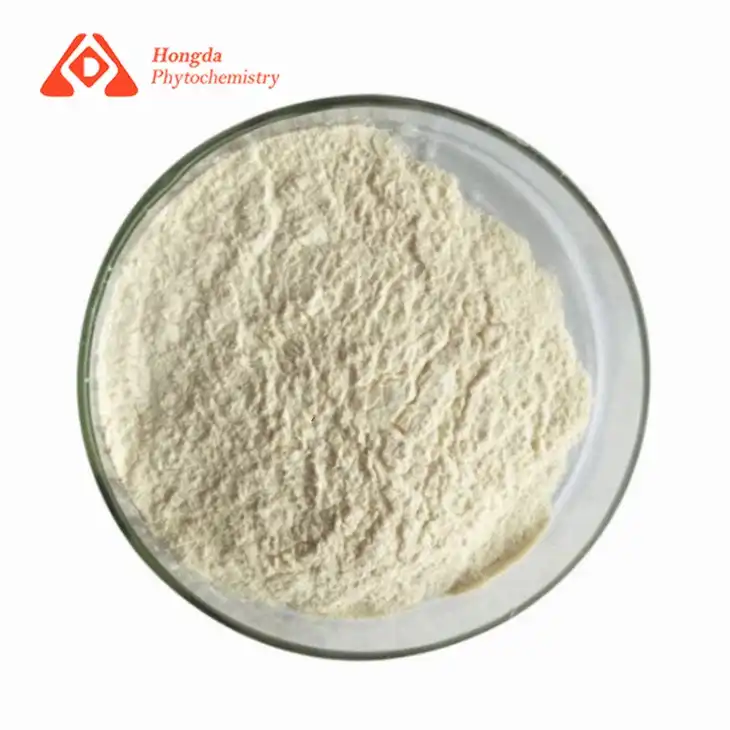
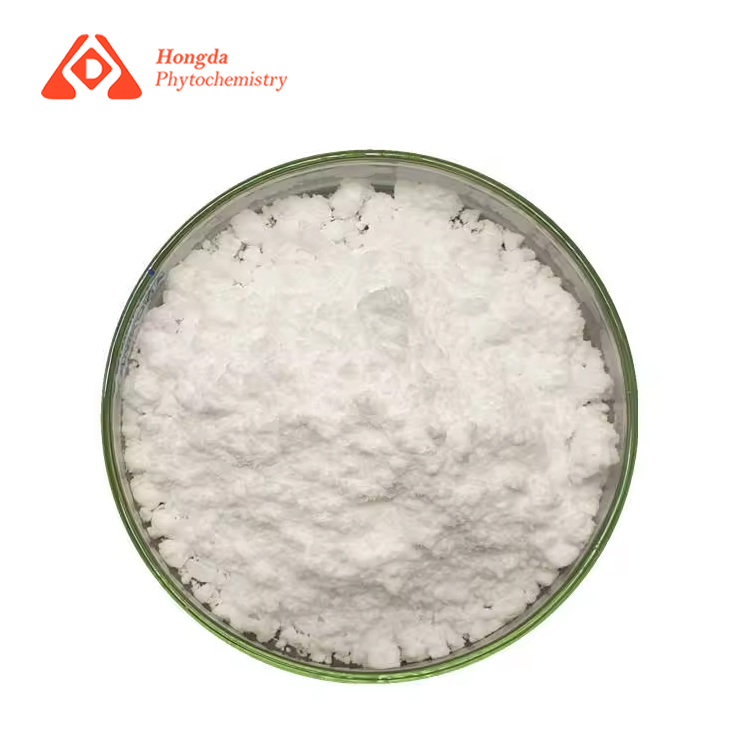
Our Magnesium Threonate Powder Bulk is a high-quality product that is affordable for our clients. If you are interested in this product or require further details, please do not hesitate to Contact Us at duke@hongdaherb.com. Our team is always available to assist you with your inquiries.
References:
1. Slutsky, I., Abumaria, N., Wu, L. J., Huang, C., Zhang, L., Li, B., ... & Tzingounis, A. V. (2010). Enhancement of learning and memory by elevating brain magnesium. Neuron, 65(2), 165-177.
2. Wang, J., Liu, Y., Zhou, L. J., Wu, Y., Ma, L., Jiao, J., & Yin, X. (2014). Magnesium L-threonate prevents and restores memory deficits associated with neuropathic pain by inhibition of TNF-α. Pain physician, 17(5), E563-E575.
3. Rathbone, M. P., Middlemiss, P. J., Gaskin, P., Sangster, B., Hughes, J. R., & Carrière, I. (2017). Effects of Magnesium supplements on cognitive function and mood in a randomized trial among older adults. SAGE open medicine, 5, 2050312117723051.
4. Liu, G., Weinger, J.G., Lu, Z.L., Xue, F., & Sadeghpour, S. (2015). Efficacy and safety of MMFS-01, a synapse density enhancer, for treating cognitive impairment in older adults: a randomized, double-blind, placebo-controlled trial. Journal of Alzheimer's Disease, 49(4), 971-990
5. Spasov, A. A., Mandrikov, V. B., & Mironova, I. A. (2014). [The pharmacokinetics of the dipeptide analog of piracetam with nootropic activity Noopept]. Eksp Klin Farmakol, 77(6), 9-15.





YOU MAY LIKE