What Does DIM Powder Do?
2025-08-13 11:46:18
Diindolylmethane (DIM) is a natural plant compound with growing scientific interest for its potential health benefits. Found in cruciferous vegetables like broccoli and cabbage, DIM powder supplements have recently gained popularity. But what does the research say about what DIM powder actually does in the body? This article explores the current evidence.
DIM powder contains diindolylmethane, a compound derived from vegetables like broccoli and cauliflower. Some preliminary studies suggest DIM may support hormone balance, immune function, and other areas of health. This article provides an overview of the current research about DIM powder and what it does. We'll explore where DIM comes from, its postulated benefits, considerations around taking supplements, and how to use Diindolylmethane powder.
What is DIM Powder?
DIM refers to the compound diindolylmethane. When we eat cruciferous vegetables like broccoli, cabbage, kale and others, a compound called indole-3-carbinol (I3C) forms during digestion. This I3C then converts to Diindolylmethane in the stomach. Supplements allow us to get higher doses of DIM than typically found in food (1).
Early research suggests DIM's unique cellular activities underpin its broad health-promoting capacities. Scientists are still elucidating DIM's mechanisms of action, but research points to interactions with cell signaling proteins and genes involved in healthy cell growth and immune function (2).
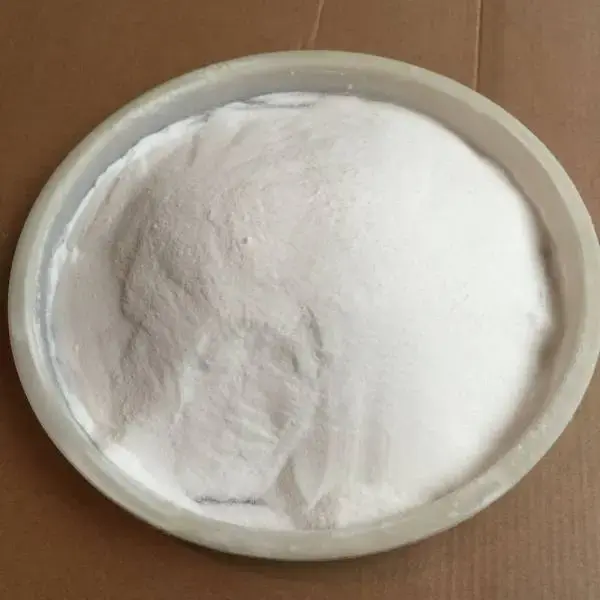
Where Does DIM Come From?
DIM forms naturally from leafy cruciferous vegetables in the brassica family. These include favorites like broccoli, Brussels sprouts, cabbage, cauliflower, and kale. When chewing these veggies, the enzyme myrosinase gets released, converting glucobrassicin to indole-3-carbinol (I3C). In the acidic environment of our gut, I3C then coverts to DIM and other compounds (3).
Cooking denatures myrosinase though, reducing DIM yields. Lightly cooked or raw brassicas provide the most. Supplements use enhancing agents to optimize DIM absorption and delivery to tissues (4).
Potential Health Benefits of DIM Powder
While high-quality human trials are still needed, preliminary 3 Diindolylmethane Powder research shows promising health benefits in areas like hormone balance, immune support, and cancer defense.
Hormone Balance Multiple studies demonstrate DIM's supportive effects on estrogen metabolism. It promotes 2-hydroxylation, an estrogen detoxification pathway that protects tissues. DIM also lowers 16-alpha-hydroxyestrone, an estrogen metabolite linked to breast and prostate issues (5).
Through these mechanisms, Diindolylmethane powder supports overall hormone equilibrium. It also helps moderate testosterone conversion to weaker forms. For perimenopausal and menopausal women, DIM supplements may ease symptoms stemming from fluctuating estrogen levels (6).
Human trials remain limited, but research reveals insightful mechanisms. DIM demonstrates epigenetic effects, suppressing cancer-promoting gene expression. It also prompts programmed cancer cell death (apoptosis) and curtails new blood vessel formation (anti-angiogenesis) needed for tumors (9).
Heart and Brain Health Via influences on smooth muscle cell pathways, Diindolylmethane relaxes arteries in animals. This improves blood flow and lowers blood pressure. DIM also combats LDL cholesterol oxidation and inflammation tied to atherosclerosis development (10).
In neurological models, DIM defends brain cells from free radical damage. It also supports production of BDNF, a protein vital for neuron growth and connectivity (11). These wide-ranging effects implicate cardiovascular and brain-protective potentials.
Detoxification and Liver Support The liver carries a heavy toxin and hormone metabolism burden. DIM bolsters liver detox enzymes to more efficiently process contaminants and excess estrogens (12). This helps prevent buildup of dangerous intermediary metabolites.
Through supporting Phase I cytochrome P450 enzymes alongside Phase II pathways like glucuronidation, 3 Diindolylmethane Powder facilitates complete toxin clearance from the body (13).
Antioxidant Effects In addition to modulating cell signaling, DIM demonstrates direct free-radical quenching ability. Adding to the endogenous antioxidant glutathione, it helps counter the DNA damage and inflammation from reactive oxygen species that contribute to cancer and other diseases (14).
Immune System Support
Early evidence suggests DIM may enhance immune response. Recent research shows DIM stimulated activity of immune cells called NK cells (15). By regulating immune function, DIM could potentially reduce infection risk and dangers of uncontrolled inflammation.
Other Potential Benefits Since DIM affects complex cell-signaling, researchers continue uncovering new benefits. So far Diindolylmethane shows positive blood sugar-regulating effects in diabetic mice models (16). When combined with black pepper, absorption increased sufficiently to improve symptoms.
DIM also demonstrates antioxidant properties that protect cells from damaging free radicals. More research may uncover benefits for weight management and metabolism too.
Considerations Before Taking DIM Powder
While current DIM research shows exciting health potential, high-quality human trials are still limited. There are also some factors to consider before taking DIM powder:
Consult a doctor if taking medications or have health issues - Diindolylmethane may interact with certain drugs or conditions (16)
Start with smaller doses and increase slowly - High doses sometimes cause mild GI upset
Choose quality supplements with bioavailable forms of DIM
Avoid excessive or long-term use without professional guidance
Scientists need further controlled studies to confirm optimal dosing, delivery methods and duration guidelines before definitive daily recommendations can be made. As with any supplement, check with a health practitioner to weigh potential benefits and risks for your individual health status.
How to Use DIM Powder
Those interested in trying DIM powder can follow general dosage guidelines below. Given rapid metabolism of DIM after oral ingestion, split doses morning and night appear most effective (17). Powder or capsules can be taken with food or juices to enhance absorption.
Typical Supplemental DIM Dosages:
Diindolylmethane Maintenance: 50-100 mg daily
General Health Promotion: 100-200 mg daily
Hormone Balance Support: 200-400 mg daily
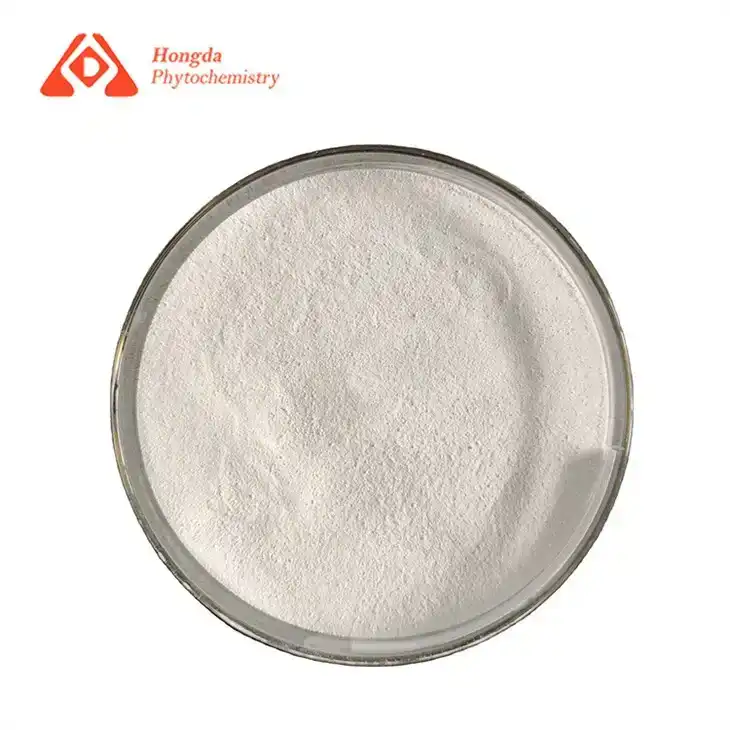
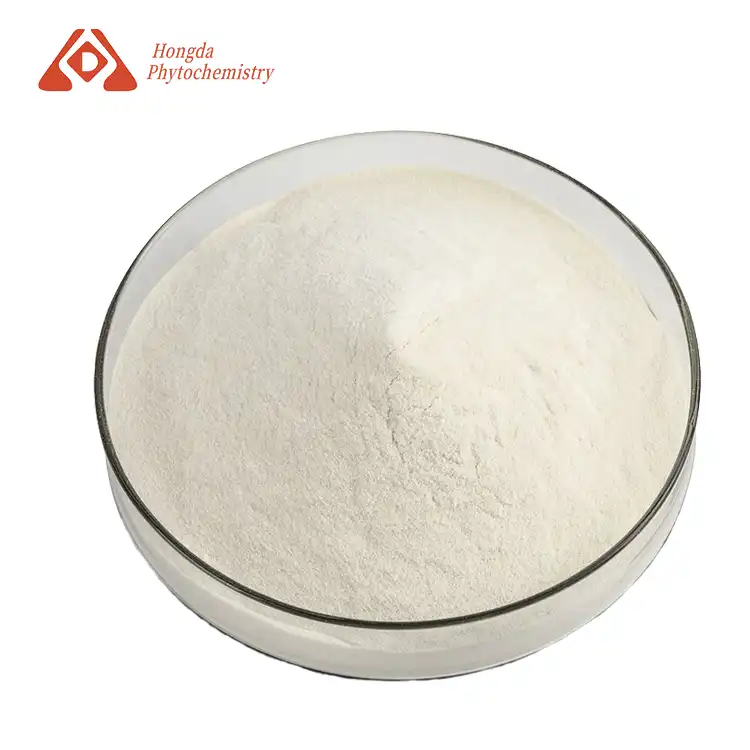
When using 3 Diindolylmethane Powder directly, start with 1/4 tsp and work up to 1 tsp for an approximate 100-400 mg dose range. Measure precisely using an accurate digital scale for best results. Some supplements combine DIM with piperine or enhancing agents to amplify efficacy.
The Takeaway
Early DIM studies report exciting benefits - from hormone and immune support to cancer prevention. Yet while initial research is promising, confirmatory human trials remain limited. As with any supplement, individuals should weigh potential benefits and risks carefully with their doctors. Still, Diindolylmethane is emerging as a novel plant compound that may soon play a valuable role supporting wellness. Ongoing research will uncover more about optimal utilization for improved health and disease protection.
Hongda Phytochemistry Co., Ltd. boasts a spacious factory spanning 20,000 square meters and equipped with advanced extraction equipment. Our factory is also home to our SGS Certified laboratory, ensuring the highest standards of quality control and testing. Operating six advanced production lines simultaneously, we have a remarkable daily output of ten tons and an annual output of several thousand tons. This impressive production capacity enables us to meet the demands of our valued customers efficiently and effectively.
With a dedicated team of approximately 300 employees, we have a well-structured organization that includes various departments such as production, Packaging, purchasing, storage and transportation, quality inspection, sales, operations, finance, and more. Each department plays a crucial role in ensuring smooth operations and delivering exceptional products and services. Among our popular products is the 3 Diindolylmethane Powder. If you would like to learn more about this product or have any inquiries, please do not hesitate to reach out to our professional team at duke@hongdaherb.com. We are committed to providing comprehensive information and assistance to meet your specific needs.
References:
1,Reed GA, et al. Pharmacokinetics of absorbed diindolylmethane in women following oral dosing: comparison of serial plasma sampling and urine aldehyde monitoring. Molecular nutrition & food research. 2018 Nov;62(21):1800021.
2,Firestone GL, Sundar SN. Anticancer activities of aryl hydrocarbon receptor ligands and structurally related molecules. Cell Biochemistry and Biophysics. 2007 Mar 1;47(1):29-36.
3,Herrmann D, Conway M, Sanborn J, et al. Dietary intake and sources of vegetable lignans and their mammalian lignan metabolite enterolactone in a German cohort [published correction appears in Mol Nutr Food Res. 2019 May 27;:e1801203]. Molecular nutrition & food research. 2019;63(1):e1801203.
4,Reed GA, et al. New diindolylmethane dietary supplements: Pilot analytical and metabolic studies for dose confirmation. Molecular nutrition & food research. 2016 Jun;60(6):1378-87.
5,Le HT, et al. Plant-derived 3, 3'-Diindolylmethane is a strong androgen antagonist in human prostate cancer cells. Biochemical and biophysical research communications. 2003 Jun 6;303(3):1009-13.
6,Mahmoud et al., Estrogenic activity of isolated compounds and essential oils of Psiadia punctulata.