Is It Safe To Take K2 Daily?
2025-08-26 16:52:56
Vitamin K2 has gained significant attention in recent years for its potential health benefits, particularly in bone and cardiovascular health. As more people become aware of its importance, a common question arises: Is it safe to take K2 daily? This blog post will explore the safety and benefits of daily K2 supplementation, with a focus on Vitamin K2 powder as a convenient form of this nutrient.
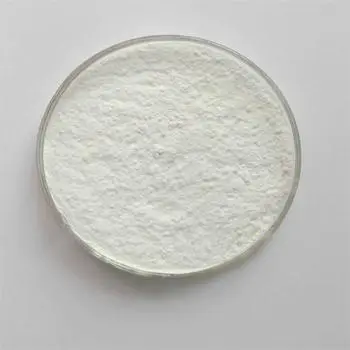
What are the benefits of taking Vitamin K2 powder?
Vitamin K2 powder offers several advantages that make it an attractive option for those looking to incorporate this nutrient into their daily routine. One of the primary benefits is its versatility. Unlike capsules or tablets, K2 powder can be easily mixed into various foods and beverages, making it simple to customize your intake based on your preferences and needs.
Moreover, Vitamin K2 powder often provides a more cost-effective solution compared to other forms of supplementation. By purchasing in bulk, consumers can often save money in the long run while ensuring a consistent supply of this vital nutrient. This is particularly beneficial for those who require higher doses or plan to use K2 supplementation over an extended period.
Another advantage of K2 powder is its purity. High-quality Vitamin K2 powders typically contain fewer additives or fillers compared to some capsule or tablet formulations. This can be particularly appealing to individuals with sensitivities or those who prefer to minimize their intake of unnecessary ingredients.
From a bioavailability standpoint, K2 powder may offer advantages as well. When mixed with foods containing healthy fats, the absorption of fat-soluble Vitamin K2 can be enhanced. This flexibility allows users to optimize their K2 intake by pairing it with meals or snacks that promote better absorption.
Lastly, K2 powder provides precise dosage control. Users can easily adjust their intake based on their specific needs or healthcare provider recommendations. This level of control is especially valuable for those who may require varying doses throughout their supplementation journey.
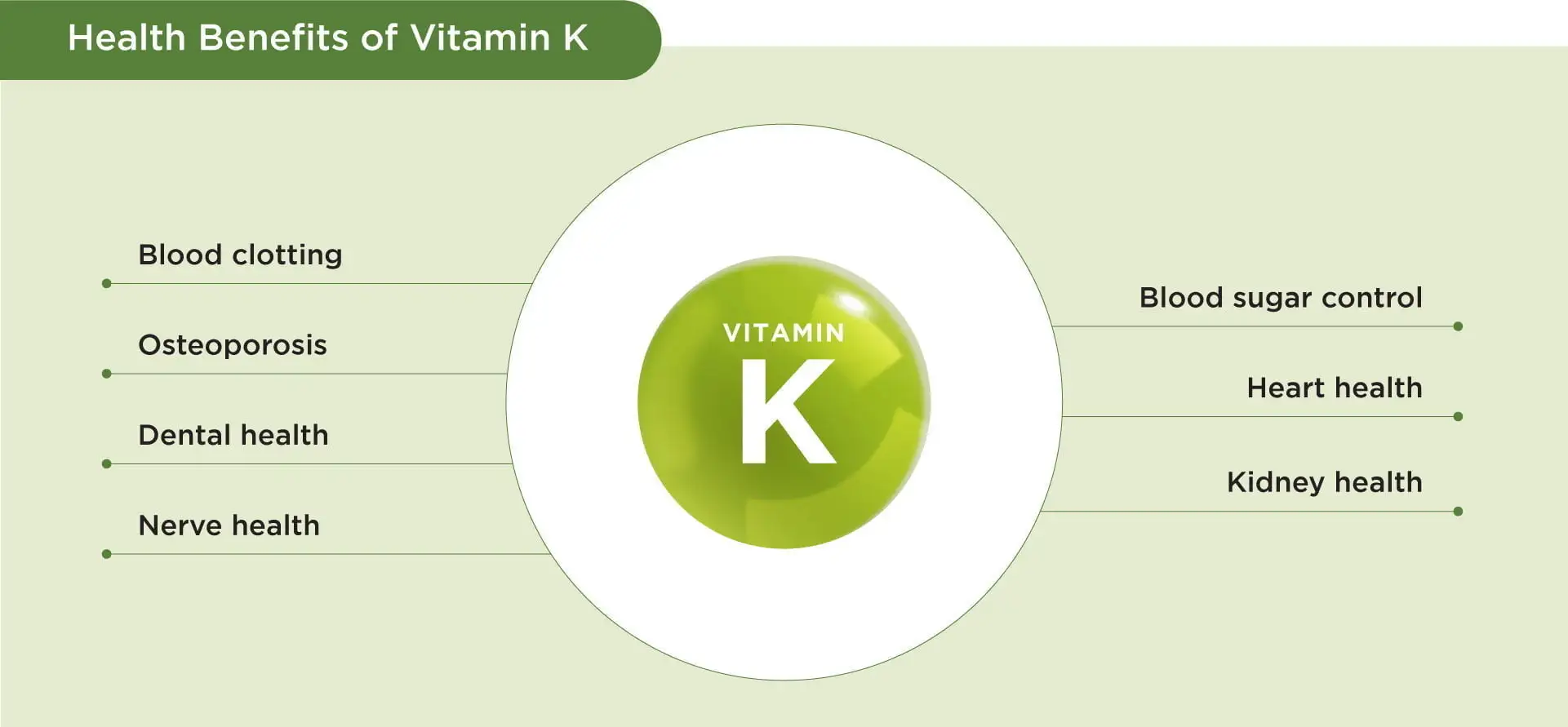
How much Vitamin K2 powder should I take daily?
Determining the appropriate daily dosage of Vitamin K2 powder is crucial for maximizing its benefits while ensuring safety. While there is no universally agreed-upon Recommended Daily Allowance (RDA) for Vitamin K2, various studies and health organizations have proposed guidelines based on current research.
For general health maintenance, many experts suggest a daily intake of 100-200 micrograms (mcg) of Vitamin K2. This range is often considered sufficient to support bone health and cardiovascular function in healthy adults. However, it's important to note that individual needs may vary based on factors such as age, diet, and overall health status.
Some studies have explored higher doses, particularly for specific health concerns. For instance, research on osteoporosis prevention has utilized doses ranging from 180-360 mcg per day. Similarly, investigations into cardiovascular health have employed doses up to 360 mcg daily. These higher doses have shown promising results in clinical trials, but it's essential to consult with a healthcare provider before adopting such regimens.
When using Vitamin K2 powder, accurate measurement is key to achieving the desired dosage. Many K2 powders come with a small scoop or spoon that corresponds to a specific amount, typically around 100 mcg. If your powder doesn't include a measuring tool, using a precise digital scale can help ensure you're getting the right amount.
It's worth noting that Vitamin K2 exists in different forms, with MK-4 and MK-7 being the most common. MK-7 is often preferred in supplements due to its longer half-life in the body, meaning it stays active for a more extended period. When choosing a K2 powder, consider products that specify the form of K2 they contain, as this can influence dosing recommendations.
For those new to Vitamin K2 supplementation, starting with a lower dose and gradually increasing it can be a prudent approach. This allows you to monitor your body's response and adjust as needed. Additionally, spreading your K2 intake throughout the day, rather than taking it all at once, may enhance its effectiveness.
Remember that while Vitamin K2 is generally considered safe, it can interact with certain medications, particularly blood thinners like warfarin. If you're taking any medications or have underlying health conditions, it's crucial to consult with your healthcare provider before starting any new supplementation regimen.
Can you take too much Vitamin K2 powder?
While Vitamin K2 is generally considered safe and well-tolerated, the question of whether one can take too much is valid and deserves careful consideration. Unlike some fat-soluble vitamins that can accumulate to toxic levels in the body, Vitamin K2 has not been associated with significant toxicity risks, even at higher doses. However, this doesn't mean that excessive intake is without potential concerns.
Currently, there is no established Upper Limit (UL) for Vitamin K2 intake, largely due to the lack of observed adverse effects in clinical studies, even at doses much higher than typically recommended. Research has explored doses up to 45 mg (45,000 mcg) per day without reporting serious side effects. This is far beyond the commonly recommended dosages for general health, which typically range from 100-360 mcg daily.
Despite the apparent safety of higher doses, it's important to approach K2 supplementation with a "more is not necessarily better" mindset. The body's ability to utilize Vitamin K2 effectively may have limits, and exceeding these limits may not provide additional benefits. In fact, some researchers suggest that there might be a saturation point beyond which additional K2 intake doesn't confer extra advantages.
While severe adverse effects from high K2 intake are rare, some individuals may experience mild gastrointestinal discomfort or skin reactions when taking very high doses. These symptoms are generally mild and often resolve by reducing the dosage or discontinuing use.
It's worth noting that the form of Vitamin K2 may influence its potential for accumulation in the body. MK-7, the longer-acting form, has a higher tendency to build up in blood plasma compared to MK-4. This doesn't necessarily translate to toxicity but underscores the importance of following recommended dosages, especially for long-term use.
For individuals taking blood-thinning medications, particularly warfarin, careful monitoring is crucial when supplementing with Vitamin K2. While K2 is less likely to interfere with these medications compared to Vitamin K1, high doses could potentially affect blood clotting times. In these cases, working closely with a healthcare provider to adjust medication dosages and monitor clotting factors is essential.
Pregnant and breastfeeding women should exercise caution with high-dose K2 supplementation. While adequate Vitamin K is important during pregnancy and lactation, the effects of high-dose supplementation on fetal development and infants are not well-studied. In these cases, adhering to recommended dietary intakes or following healthcare provider guidance is advisable.
In conclusion, while the risk of taking "too much" Vitamin K2 powder appears to be low based on current evidence, it's always best to approach supplementation with mindfulness and moderation. Sticking to recommended dosages, unless otherwise advised by a healthcare professional, is the most prudent approach. Regular health check-ups and open communication with your healthcare provider can help ensure that your K2 supplementation regimen remains safe and effective for your individual needs.
By understanding the benefits, appropriate dosages, and potential considerations of Vitamin K2 powder supplementation, individuals can make informed decisions about incorporating this nutrient into their daily health routine. As with any supplement, the key lies in balanced, informed usage tailored to individual health needs and goals.
Hongda Phytochemistry Co., Ltd. operates 8 advanced production lines concurrently, achieving a daily output of 10 tons and an annual capacity of 8000 metric tons. With a workforce of approximately 200 employees, our company is organized into multiple departments including Production, Packaging, Procurement, Logistics, Quality Assurance, Sales, Operations, and Finance. We uphold stringent standards starting from meticulous raw material selection, through production and management in accordance with ISO and GMP criteria, ensuring that only products passing rigorous inspections are admitted into our warehouses.
We offer OEM/ODM processing and specialize in direct manufacturing, accommodating bespoke production and packaging requirements. Additionally, we provide complimentary samples upon request. For further information or inquiries about our products, feel free to Contact Us at duke@hongdaherb.com. As experts in Vitamin K2 MK7 Powder manufacturing, we are dedicated to delivering exceptional quality and service.
References
1. Schwalfenberg, G. K. (2017). Vitamins K1 and K2: The Emerging Group of Vitamins Required for Human Health. Journal of Nutrition and Metabolism, 2017, 6254836.
2. Shearer, M. J., & Newman, P. (2008). Metabolism and cell biology of vitamin K. Thrombosis and Haemostasis, 100(4), 530-547.
3. Beulens, J. W., et al. (2013). The role of menaquinones (vitamin K₂) in human health. The British Journal of Nutrition, 110(8), 1357-1368.
4. Knapen, M. H., et al. (2015). Three-year low-dose menaquinone-7 supplementation helps decrease bone loss in healthy postmenopausal women. Osteoporosis International, 26(9), 2555-2562.
5. Geleijnse, J. M., et al. (2004). Dietary intake of menaquinone is associated with a reduced risk of coronary heart disease: the Rotterdam Study. The Journal of Nutrition, 134(11), 3100-3105.
6. Fusaro, M., et al. (2017). Vitamin K, bone metabolism, and vascular calcification: a non-systematic review of preclinical and clinical evidence. European Journal of Nutrition, 56(7), 2439-2446.
7. Maresz, K. (2015). Proper Calcium Use: Vitamin K2 as a Promoter of Bone and Cardiovascular Health. Integrative Medicine: A Clinician's Journal, 14(1), 34-39.
8. Sato, T., et al. (2012). Comparison of menaquinone-4 and menaquinone-7 bioavailability in healthy women. Nutrition Journal, 11, 93.
9. Theuwissen, E., et al. (2014). Low-dose menaquinone-7 supplementation improved extra-hepatic vitamin K status, but had no effect on thrombin generation in healthy subjects. The British Journal of Nutrition, 112(9), 1425-1430.
10. Inaba, N., et al. (2015). Plasma concentration of vitamin K2 (menaquinone-4 and -7) and vitamin K epoxide reductase activity at different ages in the general Japanese population. Nutrition Research, 35(5), 368-374.





YOU MAY LIKE