How To Take Choline Bitartrate?
2025-08-19 17:43:24
Choline is considered an essential nutrient because the body requires it for various critical functions, but cannot produce enough on its own. It must be obtained from dietary sources. Choline bitartrate is a supplemental form of choline bound to tartaric acid for improved absorption. Once ingested, it gets converted into free choline to carry out vital roles.
As mentioned previously, choline is involved in the synthesis of the neurotransmitter acetylcholine, which is crucial for proper functioning of the brain, muscles and nerves. Acetylcholine is released from nerve endings and serves as a messenger between nerves and target tissues like muscle cells. It is integral to muscle contraction, learning, memory, and many other important processes. Choline also aids in forming phosphatidylcholine, a key component of cell membranes and lipoproteins that shuttle cholesterol and fats between tissues. Additionally, choline plays a part in very low-density lipoprotein (VLDL) production and lipid transport in the liver. It also contributes to one-carbon metabolism pathways essential for fetal development and gene expression modulation. Research shows inadequate choline intake can lead to liver disease, muscle damage, cognitive impairment and increased risk of birth defects. While some choline can be obtained from foods like eggs, beef liver, fish, nuts and cruciferous vegetables, studies indicate many people still do not get adequate amounts from diet alone. This makes supplementation an effective way to bridge nutritional gaps when necessary.
Generally, choline bitartrate is considered safe and well-tolerated when used appropriately. However, very high single doses above 10 grams could potentially cause vomiting, sweating or fish-like body odor. Prolonged intake over 3500 mg daily, primarily from supplements, may also increase health risks in certain individuals. For these reasons, it's important to follow dosing guidelines and product label warnings when taking choline bitartrate.

Recommended Dosages
There isn't a formal recommended daily intake established specifically for choline bitartrate itself. However, Adequate Intake (AI) levels have been set for choline based on age, biological sex and life stage to prevent deficiency:
Adults
- Men: 550 mg per day
- Women: 425 mg per day (increases to 450 mg during pregnancy and 550 mg during breastfeeding)
Children
- Infants: 125 mg per day
- Children ages 1-3: 200 mg per day
- Children ages 4-8: 250 mg per day
- Children ages 9-13: 375 mg per day
The best supplemental dose can vary substantially based on individual factors. As a baseline, L-Choline bitartrate doses between 300-500 mg taken once or twice daily alongside food are commonly used. However, needs may differ based on age, genetics, medications and health status. Given potential for side effects like nausea, loose stools or unpleasant odor from excessive intake, experts often recommend starting low with around 100-200 mg daily then gradually increasing in 100 mg increments until desired benefits are achieved. Maximum recommended daily doses should align with the Tolerable Upper Intake Levels (UL), which for adults is 3500 mg choline per day from all sources. During pregnancy, choline bitartrate intake is generally not associated with maternal or fetal complications at daily doses below 1000 mg but requires medical supervision.
Older adults may require lower doses of choline bitartrate due to decreased ability to convert it into active choline compared to younger populations. Those with kidney dysfunction may also need intake adjustments to prevent buildup. Testing blood nutrient status can further help determine ongoing choline needs but periodic breaks from supplementation are advisable to avoid overaccumulation.
Forms of Choline Bitartrate
Choline bitartrate is available in various supplement formulations, giving consumers options on which works best with individual needs and preferences:
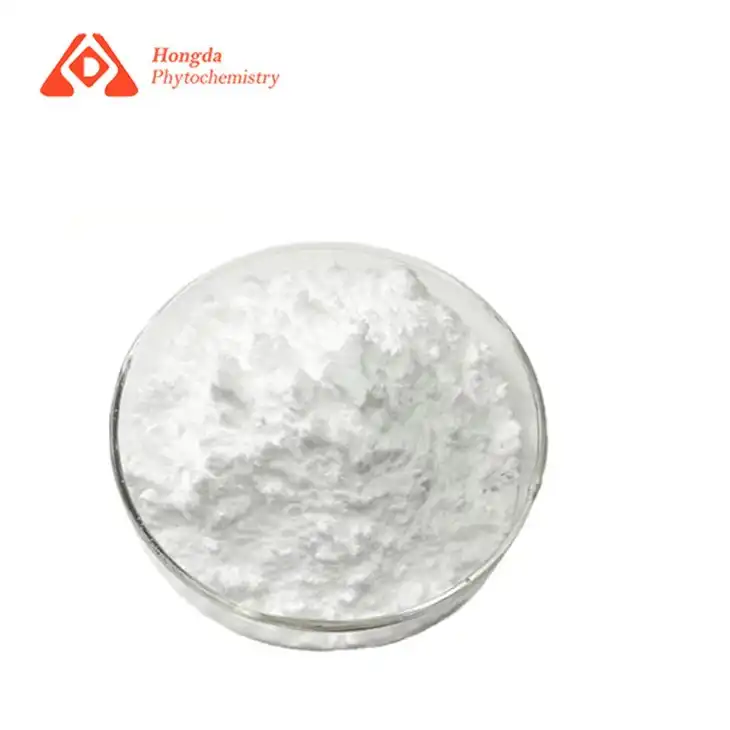
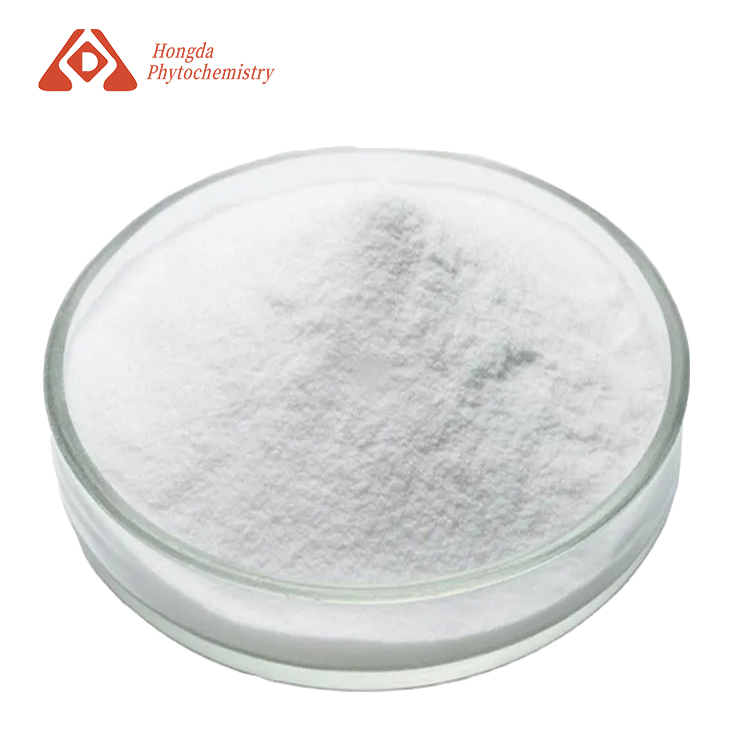
Powder - This is the most versatile formulation that can be measured into smoothies, shakes or simply mixed into water. Powders may contain additional flavors, sweeteners and ingredients. Check labels for allergens or unnecessary additives if necessary. Can also find pure Choline Bitartrate Powder.
Capsules - For those who prefer easy, convenient dosing, choline bitartrate capsules taken with water may be the preferred form. Contents are enclosed within an outer gelatin or cellulose shell, requiring no measuring needed. Capsule count and fill size determines dosage. Vegetarian options available.

Tablets - Tablets offer similar benefits as capsules given their pre-dosed nature. However, some find tablets easier to swallow. Tablet potency is indicated by the dose per individual tablet. Can take multiple if higher supplementation required. Chewables also available.
Liquids - Choline bitartrate is available as standalone liquids or multivitamin drops for those who prefer delivery through oral solutions. Great option for those with difficulty swallowing pills. Offers versatility to mix into drinks or food. Dosage determined by concentration and volume.
Gummies - For children or adults who favor flavor and chewability, choline gummies make getting in this essential nutrient more enjoyable. Check added sugars if weight management is a goal. Dosing generally ranges from 1-3 gummies.
Timing and Frequency
Research on exact timing is limited, but evidence suggests L-Choline bitartrate absorption may be enhanced when taken alongside food for some individuals. This is likely due to increased bile secretion which improves fat breakdown and nutrient assimilation. For those prone to indigestion, fasting or between meal intake could be better tolerated. Experts recommend experimenting to find out which works best on an individual basis.
Generally, splitting up doses throughout the day is better tolerated and prevents unwanted spikes or drops in levels compared to single large boluses. This helps maintain stable concentrations for sustained benefits.
Twice daily regimen examples:
With food: Take X mg in morning with breakfast. Take X mg in evening with dinner.
Without food: Take X mg upon waking before any meals. Take X mg mid-afternoon between meals.
For maintenance of adequate intake, daily supplementation in divided doses is commonly advised. Some may only require short-term or periodic use of choline bitartrate while others may benefit from long-term daily ingestion, especially those with genetic mutations affecting choline metabolism. Checking blood nutrient status can help determine ongoing needs under medical supervision. Periodic choline supplementation breaks may also prevent unwanted accumulation from build up in tissues.
Stacking Choline Bitartrate
Choline bitartrate is often stacked or paired with other nootropics and supplements for enhanced results:
Racetams like piracetam, oxiracetam and aniracetam are synthetic compounds popular with students and professionals for boosting learning capacity, focus and memory. However, they are known to deplete acetylcholine levels. Stacking choline helps counteract this side effect while synergizing cognitive benefits. Start choline at 200-300 mg when adding racetams then adjust based on need.
Citicoline is another supplemental choline source that supports brain energy metabolism, neuronal membrane integrity and acetylcholine synthesis like choline bitartrate. Combining the two can further enhance neuroprotective effects but requires dosing adjustments to stay below UL.
Vitamin B5 (pantothenic acid) plays essential roles in coenzyme A synthesis needed for acetylcholine production. Pairing vitamin B5 with choline ensures this key neurotransmitter precursor process is optimized. Begin with 100-200 mg daily.
DHA omega-3s are integral structural components of brain cell membranes, assisting transport of nutrients and neurotransmitters. Combining DHA (200-500 mg) with choline bitartrate can boost cognitive performance by facilitating acetylcholine activity while enhancing neuronal fluidity.
Practical Considerations
When adding a new supplement like L-Choline bitartrate, implementing some practical steps can go a long way towards safe, effective use:
- Start with lower doses first to assess tolerance before increasing intake.
- Measure accurately based on dosing instructions. Use measuring spoon if powder form.
- Follow label for proper storage once container is opened. Keep supplements out of direct light and moisture.
- Research potential supplement interactions with current medications or health conditions using reputable sources or speak with your healthcare provider.
- Remain well-hydrated and watch for side effects like digestive discomfort. Reduce doses or discontinue use if adverse reactions occur.
- If pregnant or breastfeeding, discuss choline bitartrate use with medical provider to ensure safety for mom and baby.
Concluding Remarks
In summary, choline bitartrate offers a valuable supplemental source of this essential nutrient to support various aspects of health from cognition to liver function given suboptimal dietary intake amongst many populations. By understanding one's individual dosage needs based on factors like age, genetics and health status, strategically supplementing alongside food when applicable, selecting a preferred delivery form, thoughtfully stacking with synergistic compounds, implementing practical usage tips and working with a healthcare provider, choline bitartrate can be used safely and effectively as part of balanced regimen geared towards overall wellness and performance. Those most likely to benefit include students seeking mental edge, athletes requiring peak output, pregnant mothers ensuring proper fetal development, seniors looking to prevent cognitive decline, or those with metabolic abnormalities leading to choline deficiency. While research continues to uncover new roles and therapeutic applications, meeting daily choline intake targets through supplementation remains vital for maintaining systemic balance and resilience.
Hongda operates six high-output production lines simultaneously, capable of producing up to ten tons per day and several thousand tons annually of quality ingredients like choline bitartrate powder. The 300+ employee company has departments spanning production, Packaging, purchasing, storage, quality control, sales, finance, and operations. Adhering to stringent ISO and GMP standards, Hongda's products undergo rigorous inspection and testing before release. Raw materials are carefully selected and manufacturing is precisely controlled to ensure optimal quality. Hongda's factory has the capability to directly produce and package customized orders to each client's specifications. If you are interested in purchasing Hongda's Choline Bitartrate Powder or any of our certified ingredients, please Contact Us at duke@hongdaherb.com. The Hongda team looks forward to potentially working together on your ingredient needs.
References:
[1] Institute of Medicine (US) Committee on Use of Dietary Reference Intakes in Nutrition Labeling. Dietary Reference Intakes for Thiamin, Riboflavin, Niacin, Vitamin B6, Folate, Vitamin B12, Pantothenic Acid, Biotin, and Choline. Washington (DC): National Academies Press (US); 1998.
[2] Zeisel SH, da Costa KA. Choline: an essential nutrient for public health. Nutr Rev. 2009;67(11):615-623. doi:10.1111/j.1753-4887.2009.00246.x.
[3] Hollenbeck CB. An introduction to the nutrition and metabolism of choline. Cent Nerv Syst Agents Med Chem. 2012;12(2):100-113. doi:10.2174/187152412800604525.
[4] Bannai M, Abe T. Role of choline deficiency in the fatty liver: effects of dietary choline administration. J Clin Biochem Nutr. 2020;66(3):208-212. doi:10.3164/jcbn.19-124.
[5] Zeisel SH. Choline. Adv Nutr. 2019;10(suppl_1):S56-S68. doi:10.1093/advances/nmy114.
[6] Glier MB, Green TJ, Devlin AM. Methyl nutrients, DNA methylation, and cardiovascular disease. Mol Nutr Food Res. 2014;58(1):172-182. doi:10.1002/mnfr.201200636.





YOU MAY LIKE