



How to Source Phosphatidylserine Bulk Powder for Supplement Manufacturing?
2026-11-19 14:35:59
Brain health has moved from a niche concern to a mainstream shopping priority, and phospholipids are right in the middle of that shift. Among them, phosphatidylserine stands out for its long research history and its appeal across memory, focus, and active-aging formulas. For manufacturers, though, the real challenge begins after the idea: finding Phosphatidylserine Bulk Powder that is consistent, well documented, and priced fairly for repeat production. Grade, botanical source, extraction process, testing, Packaging, and supplier reliability all shape the final capsule or tablet. This guide walks you through the sourcing journey step by step, from understanding demand and reading specifications to vetting factories and closing your first order with confidence.
Why Phosphatidylserine Bulk Powder Is Drawing So Much Attention
The Demand Behind Cognitive Support Products
Consumers of every age now ask how they can support concentration, memory, and mental clarity, and brands are responding with dedicated cognitive formulas. Phosphatidylserine is a natural phospholipid found in cell membranes, especially in the brain, and it has been studied in a range of clinical settings, including trials on memory complaints in older adults. This scientific background gives marketers a credible story, and it is why phosphatidylserine bulk powder appears in so many new product pipelines. Experienced phosphatidylserine powder manufacturers report steady growth in inquiries from sports nutrition, healthy aging, and student-focused brands. When you contact a phosphatidylserine bulk powder factory, describe your target audience early, because the right grade and documentation depend heavily on who will be buying your finished product.
Soy and Sunflower: Where the Raw Material Comes From
Source is one of the first questions modern buyers ask. Phosphatidylserine is commonly produced from lecithin, and the two most discussed origins are soy and sunflower. Soy-derived material has the longest research history, while sunflower-derived material appeals to brands that want a soy-free label or an allergen-conscious positioning. Responsible phosphatidylserine powder manufacturers can usually explain which lecithin sources they work with, whether the raw material is non-GMO, and how they document that claim. A transparent phosphatidylserine bulk powder factory will share supporting statements and sourcing information without hesitation. Decide on your preferred source before requesting quotes, since switching later may affect labeling, claims, and the way your phosphatidylserine bulk powder performs in blends.
Capsules, Tablets, Powders, and Chewables
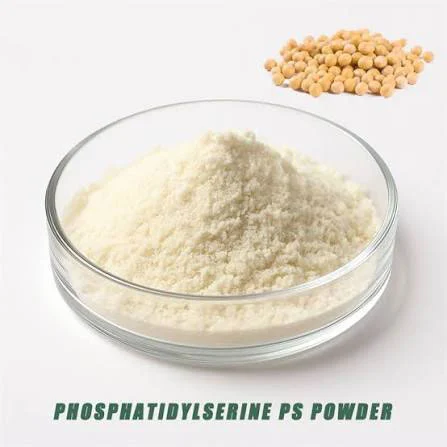
Format shapes how much the powder's behavior matters. Phosphatidylserine bulk powder is usually a fine, light-colored material, and depending on the carrier system, it can be filled into capsules, compressed into tablets, or blended into functional powders. Because it contains a phospholipid, humidity and handling matter more than with many simple minerals, so ask phosphatidylserine powder manufacturers about flowability, carrier choice, and storage recommendations. A good phosphatidylserine bulk powder factory will offer a sample and discuss how it behaves on your own equipment. Run small trials before committing to volume, watching for clumping, weight variation, and compatibility with other ingredients such as omega-3 oils, herbal extracts, or B vitamins in the same formula.
Understanding Grades, Strength, and SpecificationsReading PS Content Levels
The most important number on a specification sheet is the phosphatidylserine content. Commercial phosphatidylserine bulk powder is typically offered at several strength levels, such as twenty, fifty, or seventy percent, with the balance made up of other phospholipids and carrier materials. Higher percentages usually mean a smaller powder volume per serving, but they can also carry a higher price. Ask phosphatidylserine powder manufacturers how the content is measured, commonly by HPLC, and request batch results to confirm it. A professional phosphatidylserine bulk powder factory will also explain how its grades differ in appearance, solubility, and flow. Choose the level that fits your capsule size, dose target, and budget rather than simply picking the highest number available.
Matching Grade to Your Product Concept
A grade is only the right grade if it supports your concept. A premium memory capsule may call for a high-strength phosphatidylserine bulk powder so that each serving stays compact, while a budget-friendly daily blend may work well with a lower-strength option. Discuss your target dose and label claims with phosphatidylserine powder manufacturers, because a knowledgeable team can suggest practical combinations and warn you about formulation challenges before they become costly. A phosphatidylserine bulk powder factory with research support can also recommend carriers and mesh sizes that suit your process. The table below gives a simplified overview of how common grades are typically positioned, based on general industry practice; always confirm exact values on the supplier's current specification.
|
PS Grade
|
Typical Appearance
|
Common Positioning
|
Best Suited For
|
|---|---|---|---|
|
PS 20%
|
Off-white to light yellow powder
|
Economy, everyday blends
|
Multi-ingredient capsules
|
|
PS 50%
|
Light yellow powder
|
Mid-range, balanced cost
|
Standard cognitive capsules
|
|
PS 70%
|
Light yellow fine powder
|
Premium, compact dosing
|
High-strength, small-size capsules
|
Physical Properties That Affect Production
Physical behavior is where many sourcing projects quietly succeed or fail. Check particle size, bulk density, moisture, and color uniformity, since each influences how smoothly your line runs. Phosphatidylserine bulk powder with poor flowability can slow encapsulation, and excess moisture can cause caking during storage. Ask phosphatidylserine powder manufacturers whether mesh size can be adjusted and whether a free-flowing version is available for high-speed equipment. A cooperative phosphatidylserine bulk powder factory will treat these requests as normal technical conversations rather than special favors. Always request the specification sheet before ordering and compare each parameter against your own process requirements, instead of relying on a general product description that may not capture the details that matter to your machines.

Finding Reliable Phosphatidylserine Powder Manufacturers
Factory or Trader? Know Who You Are Buying From
The supply chain contains both producers and resellers, and the difference matters. A true phosphatidylserine bulk powder factory controls its own raw materials, reaction process, drying, and quality testing, which gives you direct access to technical answers and consistent batches. A trading company may offer attractive prices but cannot always explain process details or guarantee continuity. When evaluating phosphatidylserine powder manufacturers, ask for the production address, factory photos, and a video walkthrough, and confirm that certificates name the actual production site. Direct relationships with a manufacturer also make customization easier. If you want a recommendation for your project, email duke@hongdaherb.com with your target PS content, packaging preference, and yearly volume, and the Hongda team will reply with practical suggestions for sourcing phosphatidylserine bulk powder.
Certificates That Open Doors
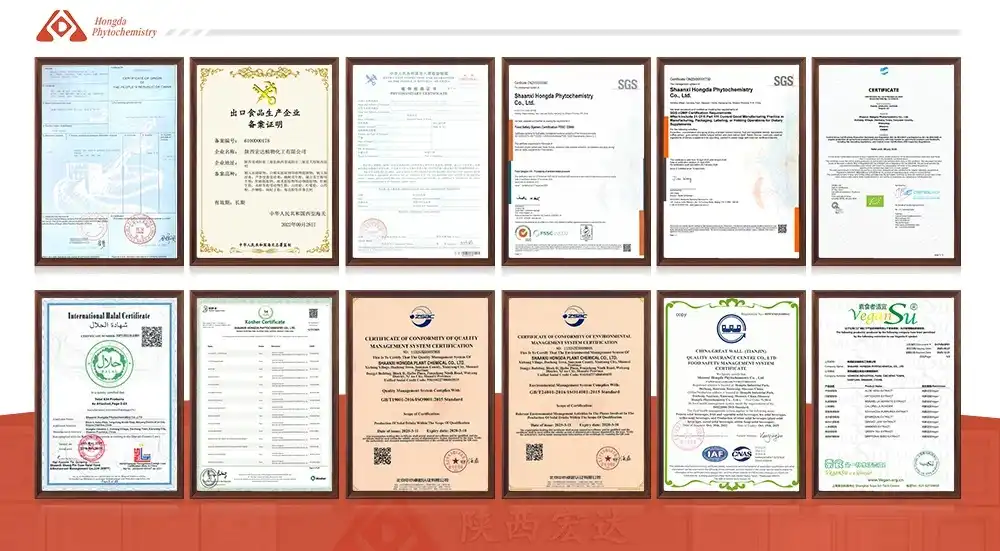
Documents are the quickest filter. For phosphatidylserine bulk powder headed to regulated markets, look for cGMP production, ISO 9001, ISO 22000, and food-safety credentials such as BRC or FSSC, plus FDA registration, HALAL, and KOSHER where relevant to your customers. Reliable phosphatidylserine powder manufacturers share these documents promptly and welcome audit requests. Ask for current copies, check expiry dates, and verify that each document matches the plant that will actually produce your order. A mature phosphatidylserine bulk powder factory will also keep specification sheets, allergen statements, and country-specific compliance letters ready. When paperwork is organized and consistent, your quality and regulatory teams move faster, and your product reaches retailers with fewer delays and fewer rounds of questions.
Capacity, Equipment, and Technical Support
Even a perfect sample is meaningless if the supplier cannot deliver at scale. Ask phosphatidylserine powder manufacturers about production lines, monthly output, in-house laboratory capability, and the size of their technical team. A phosphatidylserine bulk powder factory with a large production floor, modern equipment, and experienced operators can handle both pilot orders and recurring bulk purchases. Ask what happens when raw lecithin supplies tighten and whether safety stock is kept for popular grades. The best suppliers answer plainly and offer contingency plans. Responsive after-sales support matters just as much, because a team that replies quickly to technical questions about phosphatidylserine bulk powder can save you days of delay during product development and launch preparation.
Quality Control From First Batch to Repeat OrdersTesting Protocols You Should Request
Consistency is built in the laboratory. Beyond the PS assay, a complete batch dossier for phosphatidylserine bulk powder should include moisture, heavy metals, residual solvents, and microbiological limits, with test methods stated clearly. Strong phosphatidylserine powder manufacturers combine in-house testing with independent verification from third-party laboratories such as SGS, which adds a second layer of confidence for your brand. Every shipment from a phosphatidylserine bulk powder factory should include a batch-specific certificate of analysis, and retained samples should be kept so any later question can be re-tested. Compare each certificate against the agreed specification when goods arrive. The table below summarizes parameters buyers commonly review, drawn from general industry practice.
|
Quality Parameter
|
What It Verifies
|
Why Buyers Request It
|
|---|---|---|
|
PS content (HPLC)
|
Potency of the batch
|
Dose accuracy and label claims
|
|
Moisture / loss on drying
|
Water content
|
Stability and flowability
|
|
Heavy metals
|
Lead, arsenic, cadmium, mercury
|
Safety and compliance
|
|
Residual solvents
|
Process residues
|
Regulatory acceptance
|
|
Microbial limits
|
Plate count, yeast, mold
|
Hygiene and shelf stability
|
Traceability and Change Control
Behind every good batch is a path you can follow. Ask how raw lecithin is selected, how incoming lots are inspected, and how each production run is recorded through reaction, purification, drying, and packaging. Dependable phosphatidylserine powder manufacturers keep batch records that allow quick investigation if a question ever arises about a lot of phosphatidylserine bulk powder. Equally important is change control: a professional phosphatidylserine bulk powder factory will notify you before altering raw material sources, process steps, or specifications, so your formula is never changed quietly. Put these commitments into a written quality agreement. It may feel formal, but it protects both sides and keeps long-term supply smooth as your order volumes increase.
Storage, Packaging, and Shelf Life
Good packaging protects a sensitive ingredient. Phosphatidylserine bulk powder is commonly shipped in sealed inner liners inside drums or cartons, with labels showing batch number, production date, and net weight. Storage guidance usually calls for a cool, dry, tightly closed environment away from heat and direct sunlight, because phospholipid powders can be sensitive to humidity. Ask phosphatidylserine powder manufacturers about stated shelf life, retest policy, and whether nitrogen flushing or moisture barriers are available. A careful phosphatidylserine bulk powder factory will also confirm that packaging materials are suitable for food contact. Once the goods reach your warehouse, follow the same storage guidance, reseal opened bags promptly, and rotate stock by batch date to keep every shipment performing as intended.
Ordering Smart and Building a Lasting PartnershipPricing, Minimum Orders, and Total Cost
The lowest quote rarely produces the lowest total cost. Compare minimum order quantities, tiered pricing, payment terms, freight, and the cost of any rejected or retested lots. Ask phosphatidylserine powder manufacturers what drives the price of phosphatidylserine bulk powder, whether it is PS content, source, carrier system, or packaging format, so you can make informed trade-offs. Many brands begin with a trial order, evaluate performance, and then move into blanket purchase agreements that secure supply while keeping inventory manageable. A transparent phosphatidylserine bulk powder factory will gladly explain these structures, because stable repeat business benefits both sides. Plan ahead for seasonal demand peaks, and share forecasts so your supplier can reserve production capacity for you.
Customization and OEM Flexibility
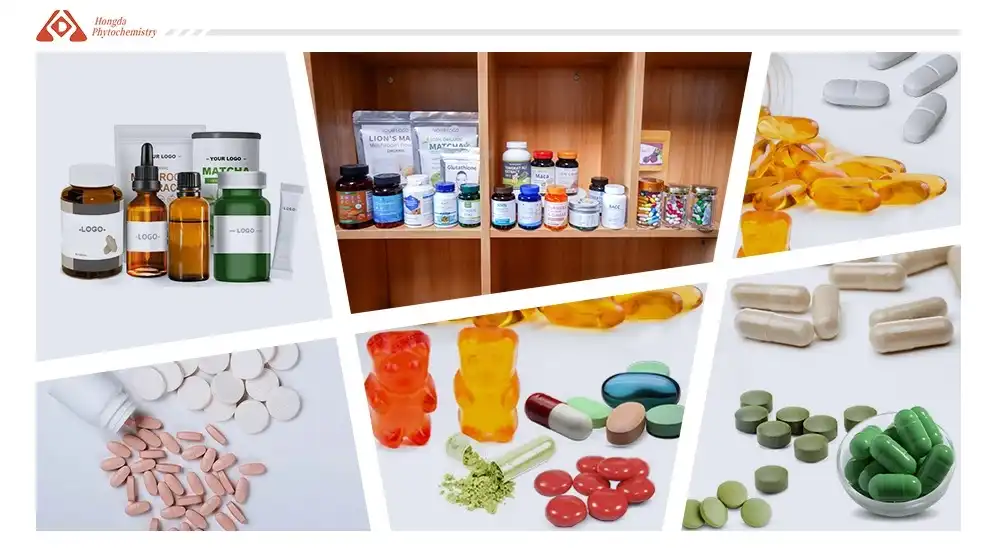
True partnership means the supplier adapts to your formula. You may need a specific PS percentage, a soy-free source, a custom mesh size, or retail-ready packaging with your own labeling. Capable phosphatidylserine powder manufacturers will explain what is technically realistic for phosphatidylserine bulk powder and propose alternatives when needed. A flexible phosphatidylserine bulk powder factory may also provide tailored certificates of analysis, specification formats matching your quality system, and support with documents for your destination market. The more openly a supplier collaborates at this stage, the smoother your product development becomes. Treat early conversations as a preview of how future challenges will be handled, because every long-term relationship eventually meets an unexpected problem that tests communication and trust.
Logistics and Growing Together
Shipping reliability can decide whether you hit a retail window. Choose a partner experienced in exporting to your region, comfortable with customs paperwork, and flexible with air, sea, and express options. Suppliers with overseas warehouses can dispatch smaller replenishment orders of phosphatidylserine bulk powder within days. Shaanxi Hongda Phytochemistry, founded in 2001 and recognized as a national high-tech enterprise, operates as a phosphatidylserine bulk powder factory with a cGMP plant, an SGS-certified laboratory, customization services, and round-the-clock customer support. Among phosphatidylserine powder manufacturers, that combination helps buyers move from sample to repeat orders with less friction, and it gives growing brands a dependable base for new product launches.
Conclusion
Sourcing phosphatidylserine bulk powder successfully means looking beyond price. Confirm the PS content and source, ask for batch-level testing, check certificates, and plan packaging and logistics before the first order. Judge phosphatidylserine powder manufacturers on capacity, customization, and communication, and start with a sample to compare real results with the paperwork before scaling up to larger production runs. Shaanxi Hongda has served global brands since 2001, with a cGMP factory, an SGS-certified laboratory, and more than 400 products. We accept customization and offer 24-hour support.
FAQ1. What is phosphatidylserine bulk powder?
It is a powdered form of phosphatidylserine, a phospholipid found in cell membranes, supplied in bulk for supplement manufacturing.
2. Which PS content levels are common?
Many suppliers offer grades around 20%, 50%, and 70%, and the exact value should be confirmed on the batch COA.
3. Soy or sunflower: which source should I choose?
Soy has the longest research history, while sunflower suits soy-free positioning. Choose based on your label goals.
4. What should I ask a phosphatidylserine bulk powder factory first?
Request a specification sheet, batch COA, Certifications, test methods, and production capacity details.
5. Can the specification be customized?
Yes. PS content, mesh size, source, and packaging can usually be tailored to your formula and market.
Start Your Phosphatidylserine Project With Hongda Today
Ready to turn your cognitive-support concept into a market-ready product? Hongda brings more than two decades of experience in plant-based and nutritional ingredients, backed by a cGMP factory, SGS-certified testing, and a customer service team available around the clock. Whether you need standard phosphatidylserine bulk powder for capsules, a custom grade for your tablet line, or a full OEM package with private packaging, our specialists will guide you from first sample to final shipment. Share your target specification, volume, and destination market, and we will prepare a clear quotation with the right documentation. Email us at duke@hongdaherb.com and discover why brands worldwide choose Hongda as a long-term partner.
References
1. Kim, H. Y., Huang, B. X., & Spector, A. A. (2014). Phosphatidylserine in the brain: Metabolism and function. Progress in Lipid Research.
2. Glade, M. J., & Smith, K. (2015). Phosphatidylserine and the human brain. Nutrition.
3. Kingsley, M. (2006). Effects of phosphatidylserine supplementation on exercising humans. Sports Medicine.
4. Richter, Y., Herzog, Y., Cohen, T., & Steinhart, Y. (2013). The effect of soybean-derived phosphatidylserine on cognitive performance in elderly with subjective memory complaints: A pilot study. Clinical Interventions in Aging.
5. Jorissen, B. L., Brouns, F., Van Boxtel, M. P., et al. (2001). The influence of soy-derived phosphatidylserine on cognition in age-associated memory impairment. Nutritional Neuroscience.
6. Kato-Kataoka, A., Sakai, M., Ebina, R., et al. (2010). Soybean-derived phosphatidylserine improves memory function of the elderly Japanese subjects with memory complaints. Journal of Clinical Biochemistry and Nutrition.





YOU MAY LIKE
