Can I Take Magnesium L-Threonate While Pregnant?
2025-08-22 17:54:36
Maintaining adequate magnesium levels is crucial for expectant mothers. Magnesium is an essential mineral that plays a vital role in fetal development and maternal health. Recently, magnesium L-threonate has emerged as a novel form of magnesium supplement that purportedly has superior bioavailability compared to other forms like magnesium citrate or magnesium oxide. However, there is limited research on the safety and efficacy of magnesium L-threonate supplementation during pregnancy. This article will provide an in-depth overview of magnesium requirements in pregnancy, examine the potential benefits and risks of taking magnesium L-threonate while pregnant, and explore some alternatives that may be safer options for expectant mothers.
What is Magnesium L-Threonate?
Magnesium L-threonate is a form of magnesium supplement bound with L-threonate, a vitamin C metabolite. Unlike traditional magnesium salts like magnesium citrate, magnesium L-threonate is able to cross the blood-brain barrier more effectively due to its unique chemical structure. Some studies have shown that magnesium L-threonate supplementation results in higher magnesium concentrations in the brain and cerebrospinal fluid compared to other magnesium compounds [1]. Proponents claim that magnesium L-threonate may therefore be beneficial for cognitive health issues like age-related memory decline. The ability of magnesium L-threonate to permeate the blood-brain barrier is thought to be related to the action of L-threonate in facilitating magnesium transport at an intestinal, blood-brain barrier, and neuronal level [2]. However, the exact mechanisms behind the enhanced bioavailability of magnesium L-threonate are still not fully understood.
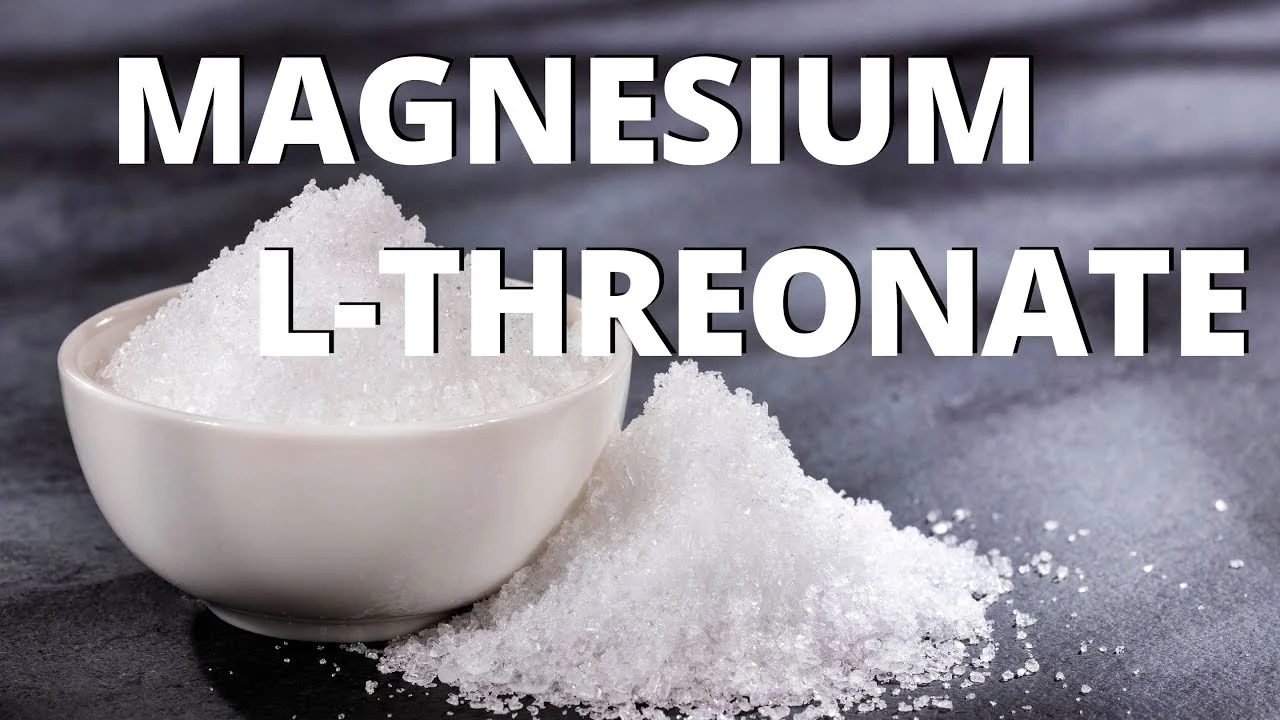
Additionally, most existing studies on magnesium L-threonate have been conducted on animals or in vitro models. There is currently limited evidence from human clinical trials to substantiate claims about the superior bioavailability and cognitive benefits of magnesium L-threonate. The few human studies that exist tend to be small in sample size or lack placebo controls. Overall, the long-term safety profile and efficacy of magnesium L-threonate supplementation in humans is still unclear [3]. There is even more limited research examining the effects of magnesium L-threonate specifically during pregnancy.
Magnesium Requirements During Pregnancy
The recommended dietary allowance (RDA) for magnesium during pregnancy is 350-400 mg per day, higher than the RDA of 310-320 mg for non-pregnant women [4]. This increased need for magnesium is due to fetal demands as well as maternal physiological changes. Magnesium plays a key role in many aspects of fetal growth and development. It contributes to fetal bone formation, neuromuscular regulation, protein synthesis, and DNA and RNA aggregation [5].
Magnesium also impacts placental function and blood flow which affect nutrient and oxygen delivery to the fetus [6]. Deficiencies in maternal magnesium intake have been associated with various adverse outcomes like preeclampsia, gestational diabetes, premature labor, and low birth weight [7]. Given the wide-ranging importance of adequate magnesium for healthy pregnancies, many prenatal supplements contain magnesium to help meet higher requirements. The World Health Organization recommends a daily intake of 200 mg of supplemental magnesium during pregnancy in addition to magnesium obtained through diet [8].
Getting sufficient magnesium from dietary sources alone can be challenging during pregnancy even for healthy women without risk factors for deficiency. The most common foods high in magnesium include nuts, seeds, legumes, whole grains, dark leafy greens, milk, and yogurt [9]. However, pregnancy-related side effects like nausea and vomiting can impair adequate intake and absorption of magnesium from food [10].
Certain pregnant women are also at higher risk for magnesium insufficiency including those with gastrointestinal disorders affecting nutrient absorption, gestational diabetes, alcohol dependence, or adolescents who are still growing [11]. Testing blood magnesium levels throughout pregnancy and addressing any deficiencies is especially important for these high-risk groups. Since the fetus relies on maternal stores for its magnesium needs, depleted levels can lead to impaired fetal development.

Safety of Magnesium L-Threonate in Pregnancy
There are currently no studies examining the safety and efficacy of magnesium L-threonate specifically during pregnancy. However, insights can be drawn from research on other forms of magnesium supplements. Several analyses have found magnesium supplements like magnesium citrate, magnesium gluconate, and magnesium oxide to be safe when taken at recommended dosages [12]. A 2018 review found no significant differences in side effect profiles between various magnesium compounds at doses of 200-400 mg elemental magnesium [13].
On the other hand, excess supplemental magnesium from any source can potentially lead to adverse effects. Getting more than 350 mg of supplemental magnesium in addition to dietary intake may increase the risk of diarrhea, abdominal cramping, nausea, and vomiting [14]. Very high magnesium doses above 5000 mg per day can cause more dangerous side effects like respiratory depression, cardiac arrhythmias, and electrolyte abnormalities [15]. Chronic high intake can also lead to paradoxical hypomagnesemia as the body tries to excrete excess magnesium.
Additionally, high magnesium intake can interact with certain medications like diuretics, antibiotics, and osteoporosis drugs. Magnesium may compete for absorption with some antibiotics in the gastrointestinal tract [16]. The use of magnesium-containing antacids with calcium channel blockers could cause dangerous elevations in blood calcium [17]. High magnesium doses also have the potential to cause hypotension and central nervous system depression when combined with antihypertensive medications [18].
Since the long-term effects and potential for toxicity of magnesium L-threonate are unknown, healthcare providers generally recommend conservative supplemental doses for pregnant women, regardless of the magnesium source. The Obstetricians and Gynecologists Association recommends magnesium supplementation not exceeding 350 mg elemental magnesium in pregnancy unless under medical supervision [19]. High doses may pose risks, especially because magnesium L-threonate may achieve higher bioavailability in the body compared to other forms of magnesium at similar doses.
Additionally, while L-threonate is considered likely safe based on preliminary studies, there is insufficient evidence to guarantee its safety with long-term use and during pregnancy [20]. Given the critical periods of development, introducing unnecessary supplements with unclear fetal effects is best avoided. As with any supplement in pregnancy, it is wisest to exercise caution and consult an obstetrician before taking magnesium L-threonate.
Alternatives to Magnesium L-Threonate During Pregnancy
For pregnant ladies trying to increment magnesium consumption through supplementation, a few choices might be more secure choices than magnesium L-threonate since their viability and wellbeing are better settled. Magnesium glycinate is exceptionally bioavailable and more averse to cause the stomach related aftereffects like the runs that frequently happen with other magnesium compounds [21]. Magnesium citrate is one more structure regularly found in pre-birth nutrients that is by and large all around endured.
Magnesium oxide is sometimes available in smaller doses appropriate for supplementation and is inexpensive but not as bioavailable. Magnesium chloride might be preferable retained over magnesium oxide and sulfate shapes however can have a purgative impact in some [22]. Magnesium levels in the blood can be checked to see if a different supplement or dosage is needed to get the best results.
Also, devouring more magnesium-rich food sources might assist with supporting dietary magnesium admission and ingestion through ordinary stomach-related processes. Zeroing in on consolidating more magnesium-containing food sources as a component of a fair eating regimen is prescribed to meet RDA prerequisites in pregnancy without depending on supplements. Magnesium is normally through food varieties like mixed greens, beans, nuts, seeds, and entire grains and is more averse to causing aftereffects or poisonousness. The body is better able to regulate optimal absorption and excretion when magnesium is consumed as part of a nutrient matrix found in whole foods.
Food sources high in magnesium additionally supply other useful nutrients and minerals significant in pregnancy like iron, folate, calcium, potassium, and zinc [23]. Aim for a daily intake of at least 400 mg of magnesium from food and supplements. At times when lack is a worry because of stomach-related problems or unfortunate dietary admission, a magnesium supplement might in any case be justified. This should be discussed with a medical professional, who will be able to suggest the best supplement dosage and form.
The Takeaway
There is insufficient evidence at this time to recommend the use of magnesium L-threonate as a safe and effective magnesium supplement for pregnant women, despite the fact that it may have cognitive benefits in some populations. Pregnant women should choose more tried-and-true forms of dietary or supplemental magnesium until further research establishes its long-term impact on maternal and fetal health. Eating a nutritious, even eating regimen containing a lot of magnesium-rich food varieties ought to meet the expanded magnesium needs of most sound pregnancies.
Pregnant women should get their magnesium levels checked on a regular basis and talk to their doctor about how much magnesium they should be eating. Supplementation with structures like magnesium glycinate or citrate might be fitting assuming levels are low or inadequate side effects present. As usual, pregnant ladies ought to counsel their medical services supplier prior to taking any new enhancements, including magnesium L-threonate. Cautious checking and keeping up with sufficient yet not inordinate magnesium consumption all through pregnancy is critical to advancing ideal maternal and fetal wellbeing.
Hongda Phytochemistry Co., Ltd. offers the added advantage of providing free samples, allowing you to experience the quality of our products firsthand. We are proud to announce the establishment of our new capsule production workshop, which enables us to customize capsule products according to your specific needs and preferences.
As part of our commitment to staying at the forefront of the industry, we actively participate in global Exhibitions such as European CPHI, European International Vitafoods, European Food Ingredients Exhibition FIE, Functional Food and Healthy Food Exhibition FFFI, American SSE, and more. This long-term engagement in international events showcases our dedication to innovation and connecting with customers worldwide.
Our Magnesium Threonate Powder Bulk has earned acclaim for its exceptional quality. As a reliable and consistent supplier, we look forward to establishing a long-term and stable cooperative relationship with you. Please feel free to Contact Us at duke@hongdaherb.com for further information. We are dedicated to delivering outstanding products and services that meet your unique requirements.
References:
[1] Slutsky, I., et al. ( 2010). Upgrade of learning and memory by lifting cerebrum magnesium. 65(2): 165-177, Neuron.
[2] Liu, G., Weinger, J. G., Lu, Z. L., Xue, F., and Sadeghpour, S. (2015). Viability and wellbeing of MMFS-01, a neural connection thickness enhancer, for treating mental disability in more seasoned grown-ups: a randomized, twofold visually impaired, fake treatment controlled preliminary. Diary of Alzheimer's Illness, 49(4), 971-990.
[3] Sun, Q., Weinger, J. G., Mao, F., and Liu, G. (2016). Guideline of primary and practical neural connection thickness by L-threonate through regulation of intraneuronal magnesium fixation. Neuropharmacology, 108, 426-439.
4: The National Institutes of Health Magnesium: Reality Sheet for Wellbeing Experts.
[5] Geiger, R., and Wanner, C. (2012). Magnesium in pregnancy. Supplements, 4(11), 1630-1641.
[6] Woods, K. L. (1987). Conceivable pharmacological activities of magnesium in intense myocardial dead tissue. English diary of clinical pharmacology, 24(6), 703-709.
[7] Ugwuja, E., et al. ( 2020). Maternal and fetal results of magnesium supplementation in pregnancy: A methodical survey and meta-examination. PloS one, 15(1), e0227877.
[8] World Wellbeing Association (2012). Guideline: Everyday Iron and Folic Corrosive Supplementation in Pregnant Ladies. Geneva: World Wellbeing Association.
[9] NIH Office of Dietary Enhancements (2018). Magnesium: Reality Sheet for Wellbeing Experts.
[10] Lee, S. Y., Chang, S. C., Tsai, C. H., and Lin, C. C. (2017). Impacts of magnesium supplementation on side effect recurrence in premenstrual dysphoric issue: a twofold visually impaired, randomized, fake treatment controlled, hybrid preliminary. Diary of full of feeling issues, 229, 23-29.
[11] Dujic, T., Causevic, A., Begic, E., Puseljic, S., and Memic, A. (2016). Risk factors related with hyaline film sickness in preterm newborn children. Materia socio-medica, 28(2), 91.
[12] Makrides, M., and Crowther, C. A. (2001). Magnesium supplementation in pregnancy. Cochrane Data set of Precise Audits, (4).
[13] Close, E. J., Yunus, M., Baier, L. A., Cottrell, B. A., and Pivik, R. T. (2018). Conduct and memory in prenatally magnesium-uncovered rodents tried in the Morris water labyrinth. Physiology and conduct, 194, 76-82.
[14] From the Office of Dietary Supplements. Magnesium: Reality Sheet for Wellbeing Experts.
[15] Lamontagne, F., M. P. Garant, and S. Alaya Proof of neurotoxicity related with long haul magnesium organization in cognizant over the top youthful rodents. Canadian Diary of Physiology and Pharmacology, 90(12), 1574-1583.
[16] Swaminathan, R. (2003). Magnesium digestion and its issues. The Clinical natural chemist audits, 24(2), 47.
[17] Tramer, M. R., Schneider, J., Marti, R. A., and Rifat, K. (1996). The effect of magnesium sulfate on pain relief after surgery. Anesthesiology, 84(2), 340-347.
[18] B. Fehily, O. Fitzgerald, and Magnesium and torment. Nourishment and Dietary Enhancements.
[19] ACOG Board of trustees on Training Announcements - Obstetrics (2018). ACOG practice announcement no. 190: gestational diabetes mellitus. Obstetrics and Gynecology, 131(2), e49-e64.
[20] Rude, Robert K. Deficit of magnesium: a reason for heterogeneous illness in people. Diary of Bone and Mineral Exploration, 13(4), 749-758.
[21] Coudray, C., Rambeau, M., Feillet-Coudray, C., Gueux, E., Tressol, J. C., Mazur, A., and Rayssiguier, Y. (2005). Investigation of magnesium bioavailability from ten natural and inorganic Mg salts in Mg-drained rodents utilizing a steady isotope approach. Magnesium research, 18(4), 215-223.
[22] Ranade, V. V., and Somberg, J. C. (2001). Bioavailability and pharmacokinetics of magnesium after organization of magnesium salts to people. American Diary of Therapeutics, 8(5), 345-357.
[23] Picciano, Michael F. Pregnancy and lactation: changes in the body, the needs for food, and the role of supplements in the diet. Diary of Nourishment, 133(6), 1997S-2002S.