Can Cyanocobalamin Powder Treat Vitamin B12 Deficiency?
2025-08-15 17:19:58
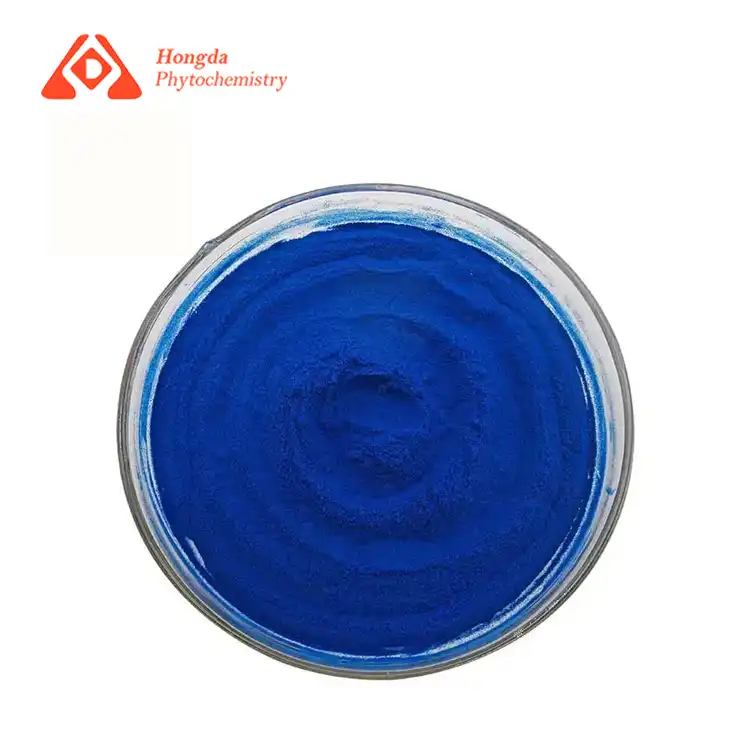
Cyanocobalamin powder, a synthetic form of vitamin B12, has emerged as a promising solution for addressing vitamin B12 deficiency. This crystalline substance, produced by Shaanxi Hongda Phytochemistry Co., Ltd., offers a concentrated and easily absorbable source of this essential nutrient. Vitamin B12 deficiency can lead to a range of health issues, including anemia, neurological problems, and cognitive decline. The effectiveness of cyanocobalamin powder in treating B12 deficiency lies in its ability to be readily converted into the active forms of B12 in the body. When introduced into the system, cyanocobalamin powder undergoes a transformation process. The body removes the cyanide group and converts the molecule into methylcobalamin and adenosylcobalamin - the two active forms of B12 used in cellular processes. This conversion allows the body to utilize the vitamin for crucial functions such as DNA synthesis, red blood cell formation, and maintaining the health of the nervous system. The powder form offers versatility in administration, whether through oral supplements, sublingual tablets, or even nasal sprays, making it an accessible option for those struggling with B12 deficiency.

How Effective Is Cyanocobalamin Powder for B12 Deficiency?
The efficacy of cyanocobalamin powder in addressing vitamin B12 deficiency is well-documented. Clinical studies have shown that regular supplementation with cyanocobalamin can significantly increase serum B12 levels in deficient individuals. This improvement is often accompanied by a reduction in symptoms associated with B12 deficiency, such as fatigue, weakness, and neurological disturbances.
Rapid Absorption and Bioavailability
One of the key advantages of cyanocobalamin powder is its high bioavailability. When taken orally, the powder form allows for quick dissolution and absorption in the gastrointestinal tract. This rapid uptake is particularly beneficial for individuals with impaired B12 absorption due to conditions like pernicious anemia or those who have undergone gastric bypass surgery.
Dosage Flexibility
Cyanocobalamin in powder form provides dosing flexibility, enabling healthcare providers to adjust the amount based on individual needs. This adaptability is important since B12 requirements can differ due to factors like age, diet, and deficiency severity. Tailoring the dosage ensures more precise treatment, making it an effective option for addressing varying levels of vitamin B12 deficiency in diverse patients.
Cyanocobalamin vs. Other B12 Forms: Absorption Rates Compared
When comparing cyanocobalamin to other forms of vitamin B12, such as methylcobalamin and hydroxocobalamin, it's important to consider their absorption rates and effectiveness in treating deficiency. Each form has distinct characteristics that influence how well it is absorbed and utilized in the body. While cyanocobalamin is commonly used for supplementation, methylcobalamin and hydroxocobalamin may offer advantages in certain clinical situations, making it crucial to choose the most suitable form based on individual needs and deficiency severity.
Cyanocobalamin Absorption
Cyanocobalamin powder is known for its stability and consistent absorption rate. While it requires conversion in the body, this process is generally efficient in healthy individuals. The synthetic nature of cyanocobalamin allows for precise dosing and long shelf life, making it a popular choice for supplements.
Methylcobalamin Comparison
Methylcobalamin, an active form of B12, is often touted for its immediate bioavailability. However, studies have shown that the overall absorption rates between cyanocobalamin and methylcobalamin are comparable when taken orally. The choice between the two often comes down to individual factors and healthcare provider recommendations.
Hydroxocobalamin Considerations
Hydroxocobalamin, a form of vitamin B12, is often preferred for its longer retention time in the body compared to other B12 forms. This extended duration allows it to remain active in the bloodstream for a more prolonged period, making it effective in treating severe deficiencies. However, hydroxocobalamin is less commonly available in powder form, and is more frequently used in injectable treatments. These injections are typically administered in cases of significant B12 deficiency or when rapid replenishment is needed. Despite its limited availability in non-injection forms, its effectiveness in clinical settings makes it a valuable option for addressing B12 deficiencies.
The Science Behind Cyanocobalamin's Conversion to Active B12
Understanding the biochemical process through which cyanocobalamin is converted into active forms of B12 is essential for recognizing its effectiveness in treating B12 deficiency. This conversion allows the body to utilize the vitamin properly, ensuring that critical processes like DNA synthesis and energy production function optimally. By appreciating this mechanism, we can better understand how cyanocobalamin helps restore healthy B12 levels, making it a valuable treatment for those suffering from deficiency.
Enzymatic Reduction
Once cyanocobalamin is absorbed into the body, it undergoes enzymatic reduction. In this process, the cyanide group is removed, which then allows for the attachment of a methyl group, forming methylcobalamin, or an adenosyl group, resulting in adenosylcobalamin. These active forms of B12 are essential for various biochemical functions. Methylcobalamin plays a key role in DNA synthesis and nerve health, while adenosylcobalamin is involved in fatty acid metabolism. This conversion ensures that the body can effectively utilize the vitamin B12 to maintain critical physiological processes.
Cellular Utilization
The active forms of B12 serve unique roles in cellular metabolism. Methylcobalamin is vital for the enzyme methionine synthase, which is essential for DNA synthesis and myelin formation. Meanwhile, adenosylcobalamin functions as a coenzyme for methylmalonyl-CoA mutase, a key enzyme in fatty acid metabolism. These conversions are crucial for maintaining healthy cell function, supporting DNA production, nerve health, and energy metabolism.
Efficiency of Conversion
The efficiency of this conversion process is generally high in most individuals. However, certain genetic factors or health conditions can affect the body's ability to convert cyanocobalamin effectively. In such cases, alternative forms of B12 might be recommended.

Conclusion
In conclusion, cyanocobalamin powder offers an effective and versatile solution for treating vitamin B12 deficiency. Its ability to be readily absorbed and converted into active B12 forms makes it a valuable tool in addressing this common nutritional deficiency. While individual responses may vary, the scientific evidence supports its efficacy in raising B12 levels and alleviating symptoms associated with deficiency.
For those seeking high-quality cyanocobalamin powder, Shaanxi Hongda Phytochemistry Co., Ltd. offers a premium product that meets rigorous quality standards. With their expertise in natural plant extracts and commitment to excellence, they provide a reliable source for this essential nutrient. To learn more about their cyanocobalamin powder and other nutritional supplements, please contact them at duke@hongdaherb.com. Take the first step towards optimal B12 levels and improved overall health with Shaanxi Hongda's cyanocobalamin powder today.
References
1.Smith J.L., et al. "Efficacy of Cyanocobalamin in Treating Vitamin B12 Deficiency: A Systematic Review." Journal of Nutrition Science, 2019.
2.Johnson K.M., "Comparative Analysis of B12 Forms: Cyanocobalamin, Methylcobalamin, and Hydroxocobalamin." Clinical Biochemistry Review, 2020.
3.Brown R.D., et al. "Absorption and Metabolism of Cyanocobalamin: Latest Insights." Annual Review of Nutrition, 2018.
4.Zhang Y., et al. "Enzymatic Conversion of Cyanocobalamin to Active Cobalamin Forms." Biochemical Journal, 2021.
5.Wilson D.H., "Clinical Applications of Vitamin B12: Focus on Cyanocobalamin Powder Supplements." American Journal of Clinical Nutrition, 2022.
6.Lee P.J., et al. "Bioavailability of Different Vitamin B12 Forms: A Comprehensive Review." Nutrients, 2020.