Blueberry Anthocyanin And Anthocyanidin
2025-08-15 17:24:02
What is the difference between blueberry anthocyanin and anthocyanidin?
Are blueberry anthocyanin and anthocyanidin the same substance?
Anthocyanidin and blueberry anthocyanins are two different substances. Anthocyanidin is a nutrient widely present in blueberries, grapes and other berries, and has health effects such as anti-oxidation, anti-aging and eye protection. However, the stability of blueberry anthocyanidin is very poor, and free Anthocyanidin is rare under natural conditions. This proves that the anthocyanins contained in the berries are not much. Under normal circumstances, Anthocyanidin will be connected with one or more sugar substances by glycosidic bonds to form a substance that really plays an antioxidant role: Anthocyanin, the English name is Anthocyanin, which is very similar to Anthocyanidin. Although anthocyanidin and anthocyanin belong to the same class of anthocyanins structurally, they are two different substances. There are multiple phenolic hydroxyl groups in the structure of anthocyanins, which belong to hydroxyl donors, and have a good scavenging effect on hydroxyl free radicals, superoxide free radicals, DPPH, ABTS, etc. in the body, and can effectively prevent oxidative damage of macromolecular substances. It can activate the antioxidant defense system, and its ability to scavenge free radicals is 20 times that of vitamin C and 50 times that of vitamin E. Let’s take a look at the specific difference between blueberry anthocyanidin and anthocyanin?

The difference and connection between blueberry anthocyanidin and anthocyanin
Most of the plant pigments are anthocyanins, carotene, chlorophyll and so on.
Plant pigments mainly include fat-soluble chlorophyll and water-soluble cytosolic pigments. Chlorophyll is mainly related to the photosynthesis of plants, while anthocyanidin is mainly related to the color of flowers.
According to solubility, there are mainly two types of fat-soluble pigments and water-soluble pigments.
1. Fat-soluble pigment
The fat-soluble pigments are mainly chlorophyll, lutein and carotene, as well as crocin and capsanthin. In addition to chlorophyll, most of the others are tetraterpene derivatives. This kind of pigment is insoluble in water, hardly soluble in methanol, and easily soluble in organic solvents such as ethanol, ether, chloroform, and benzene. Carotene is insoluble in ethanol.
2. Water-soluble pigment
Water-soluble pigments are mainly anthocyanins, also known as anthocyanins, which are commonly found in flowers or berries such as blueberries. They are soluble in water and ethanol, but insoluble in organic solvents such as ether and chloroform. They will precipitate when they encounter lead acetate reagents.
What is Anthocyanidin?
Anthocyanidin, also known as anthocyanidin, is a water-soluble natural pigment widely present in plants. It belongs to flavonoids and is also the main color-producing substance in plant petals. Various colors of fruits, vegetables, flowers, etc. are related to Anthocyanidin. Anthocyanins exist in the vacuoles of plant cells and can be converted from chlorophyll. It is red or purple under acidic conditions, so the petals are red or purple. The depth of the color is positively correlated with Anthocyanidin, and it is blue under alkaline conditions. The color of Anthocyanidin is affected by many factors, such as low temperature, oxygen deficiency and phosphorus deficiency. And other adverse environments will affect the content of anthocyanins.
There are more than 300 different anthocyanins in nature, which come from different fruits and vegetables, such as purple potato, lingonberry, cranberry, blueberry, black wolfberry, grape, elderberry, black currant, red cabbage, etc. , the content of Anthocyanidin contained in blueberries is the highest.

Blueberry Anthocyanidin can bring many benefits to the human body. Fundamentally speaking, Anthocyanidin is a powerful antioxidant that can protect free radicals from damage, enhance blood vessel elasticity, improve circulatory system, enhance skin elasticity, inhibit inflammation and allergies, Improve joint flexibility, etc.
What are anthocyanins?
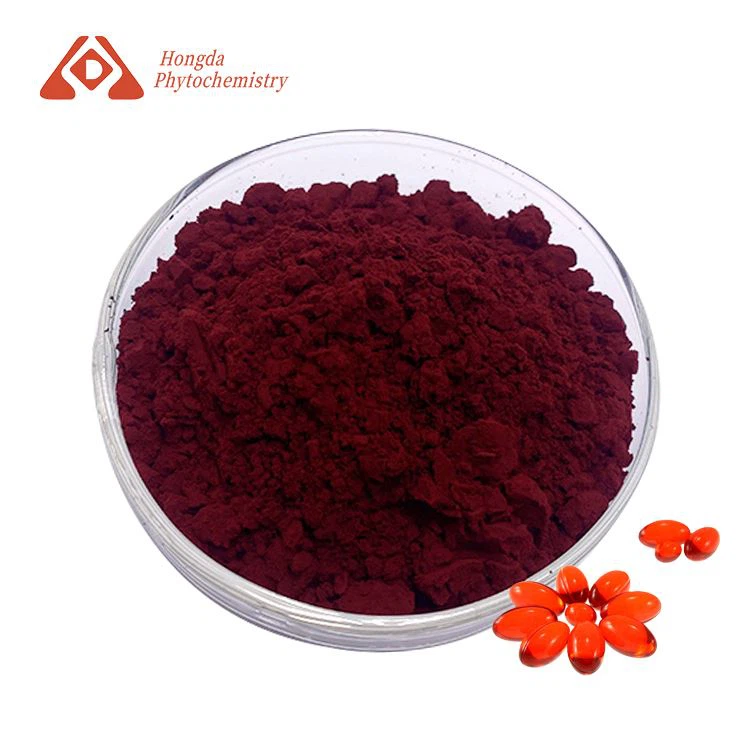
Blueberry anthocyanins are extracted from the fruit of Vaccinium corymbosum L. in the family Rhododendronaceae. It is a powdery substance made by enzymatic hydrolysis of dried blueberry fruit, water extraction, purification, concentration, and drying. Anthocyanins It is a kind of flavonoid compound, which often exists in the cell fluid of roots, leaves, flowers and fruits of plants, making stamens and rhizomes appear red, blue, purple and other colors. It is one of the important water-soluble pigments in nature. Anthocyanins are the key components that give plants bright colors, help to pollinate plants, disperse seeds, prevent plant pests and prevent ultraviolet damage, and also have high pharmacological activities, such as anti-oxidation, anti-tumor, anti-arteriosclerosis, lowering blood lipids, Reduce liver damage and hypoglycemia, etc.
Generally speaking, Anthocyanin is the glycoside form of Anthocyanidin, which is a kind of natural pigment, which shows different colors under the pH value. At the same time, anthocyanin is also a strong antioxidant, which has important value in the food field in recent years. But in fact, anthocyanins are unstable during food processing, are easily lost, and are sensitive to the environment and temperature. Anthocyanidin is also unstable and will be converted into anthocyanin. Anthocyanidin is considered to be an important substance to protect eyes and delay aging. Substances with various effects such as aging, anti-oxidation and anti-disease.

Blueberry anthocyanin can lower blood sugar and lower blood lipids:
Anthocyanins from blueberry extract reduce the expression levels of enzymes involved in gluconeogenesis and lipogenesis, enhance the expression levels of enzymes involved in glycogenolysis and lipolysis, and effectively inhibit hyperlipidemia through the adenosine monophosphate-activated protein kinase (AMPK) signaling pathway. Blood sugar and hyperlipidemia.
Diabetes mellitus (DM) is a common disease in the world. It is a chronic metabolic disorder and is mainly divided into type 1 and type 2 diabetes. Type 2 diabetes is mainly insulin resistance, in which the insulin receptors are weakened and the cells cannot respond in time to the rise in blood sugar.
In addition to hyperglycemia, diabetic patients often have hyperlipidemia, which will increase the damage to organs and tissues caused by glucose oxidative stress. Impairment of insulin production and insulin receptors is one of the factors leading to hyperglycemia in diabetic patients.
At present, blueberry anthocyanin is one of the fruits that diabetics can eat, which can reduce the risk of type 2 diabetes. The antioxidant capacity and other regulatory effects of anthocyanin can improve insulin sensitivity. In the case of reducing blood sugar and blood lipids, It can also maintain the balance of glucose and lipids, reduce the incidence of diabetes, or become a new generation of new health supplements for lowering blood sugar and blood lipids.
How much anthocyanin is in blueberry extract?
The consumption of blueberry anthocyanins approved by my country has a total anthocyanin content of 40%, and the recommended amount is 800 mg per day; Canada has approved blueberry extracts with anthocyanin content ≥ 40%, which can be used as a natural health food; Anthocyanins from grapes and grape skins are used as food additives; in the United States, anthocyanins derived from grapes and grape skins are used as food additives, allowing their use in beverages and other foods.
The recommended consumption amount of blueberry anthocyanins approved by my country is: the recommended consumption amount of blueberry anthocyanins with a total anthocyanin content of 40.0% is 800 mg/day, and those exceeding this content shall be converted according to the actual content.
Any more questions welcome inquiry us by:
Website:www.hongdanaturals.com
Email:duke@hongdaherb.com
Tel:+86-29-87801888
Mob:+8613128890990