Are Inositol Powders Or Capsules Better?
2025-08-19 16:04:49
Inositol is an essential nutrient that plays important roles in cell structure, nerve transmission, insulin signaling, hormone regulation, and much more. With the popularity of inositol supplements for conditions like PCOS on the rise, many wonder whether the inositol powder or capsule form is superior. In this post, we'll break down the key differences and help you decide what's best for your individual needs.
Introduction to Inositol
Inositol is a carbocyclic sugar that is vital for various biological processes. As a component of cell membranes, inositol regulates membrane permeability and signaling. It also influences nerve transmission, insulin signaling, fat processing, gene expression, and follicle stimulating hormone (FSH) activity (1).
Given these critical functions, inositol deficiency can contribute to several health issues. Getting sufficient amounts from the diet or supplements helps maintain cellular, hormonal, neurological and reproductive health.

Understanding Inositol Powders and Capsules
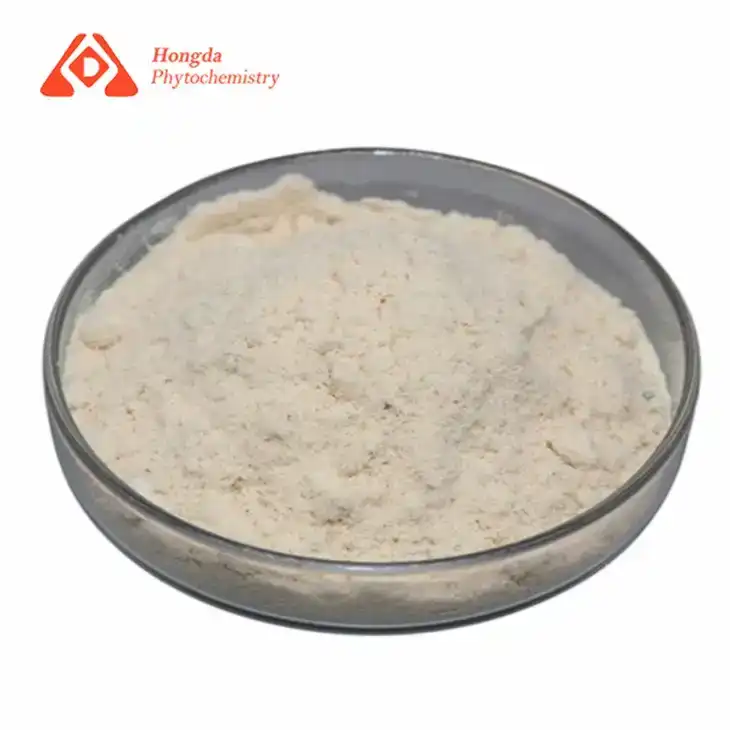
Inositol supplements come in powder or capsule form. The powder is simply pure inositol, usually measured out by the scoop or using a scale. Capsules contain inositol powder enclosed in a gelatin shell.
Both delivery methods provide the same inositol benefits and effects. The main differences lie in absorption rate, convenience, accuracy, taste and cost.
Is it Better to Take Inositol Powder or Capsules?
Now let's explore some key factors that determine whether inositol powder or capsules are the better choice.
Absorption and Bioavailability
No studies directly compare the absorption rates of inositol powders versus capsules. However, the general consensus is that powders may have faster and higher absorption due to faster breakdown and dissolution (2).
With capsules, absorption may start more slowly since the gelatin shell needs time to dissolve and release the contents. Yet once the inositol is liberated, there is likely little difference in overall bioavailability. For most people, the small variances in absorption rate don't translate to an actual health impact.
Convenience and Ease of Use
Inositol powders offer versatility to mix into liquids or soft foods at preferred concentrations. But capsules provide convenience, easy portability for travel, and taste advantages since they mask the mildly sweet/salty flavor of inositol. Those who dislike or struggle with the grainy powder texture may find capsules easier to swallow as well.
On the other hand, capsules require access to water to aid swallowing. Some report an unpleasant sensation or aftertaste when the gelatin casing breaks open. For those taking multiple daily doses, capsules also mean popping many pills, whereas powder is a single drinking or eating experience.
Dosage Accuracy
With powder, especially when weighing it on a scale, users can more precisely control the inositol dosage they take. Capsule content ranges depend on manufacturing processes. And dosage gets trickier with larger capsules that require separating powder to achieve lower doses.
Yet for many supplementers, the small variances with capsules don't make a real impact. As long as the general dosage recommendations for inositol are followed based on condition, effects should still occur regardless of slight differences in precision.
Personal Preferences and Lifestyle
Personal preferences and lifestyle may also steer the decision between powder or capsule supplements.
Factors like taste preferences, diet type, portability needs for travel or work, lifestyle routine, ability to swallow pills, and proximity to water during the day can all influence which form of inositol makes the most sense. Consider your unique needs and habits when deciding.
Cost Comparison
Cost wise, pure inositol powders tend to be cheaper per dose than capsules. But when comparing brands and bulk versus small quantities, prices can range widely for both forms. Shop around for a high quality, pure inositol product that fits your budget constraints.
For many, the tiny cost savings per dose with powders fail to outweigh the enhanced convenience of capsules. Determine what works best for your circumstances.

Can I Take Inositol If I Don't Have PCOS?
While inositol is often discussed for PCOS, women's fertility and related conditions, it offers benefits for both genders with or without metabolic or reproductive issues.
Even those without overt deficiency symptoms may see perks like improved insulin signaling, egg quality, sperm motility, hormonal balance, stress response, aging processes, and neurological function thanks to inositol's myriad roles (3).
Of course, dosing requirements and expectations should be tailored to your individual health status and needs. But generally healthy adults can usually safely supplement with standard doses of inositol powder or capsules if desired.
Does Inositol Powder Help with Anxiety?
Emerging research indicates inositol may reduce anxiety by interacting with serotonin receptors and second messenger systems in the brain's emotional processing areas. Rodent studies confirm anti-anxiety effects, likely from augmented GABA activity (4).
Small controlled trials in humans demonstrate inositol powder benefits various anxiety conditions, including:
● Panic attacks
● Obsessive thoughts
● Social phobia
● Depression
● PMS mood changes
Typical study doses range from 6-18 grams daily. Effects can manifest in as little as a month. But consistency seems vital, as anxiety may return once inositol is discontinued. Larger and longer trials are still needed. But so far, the evidence indicates inositol powder holds promise for anxiety regulation.
What is Inositol Powder Used For?
Taken as an oral supplement, inositol powder has applications for:
● PCOS symptom management - Improves menstrual regularity by enhancing insulin signaling and sensitivity to promote proper ovarian function (5). Dosing for PCOS typically ranges from 2-4 grams daily.
● Fertility enhancement - Boosts egg quality and embryonic development. May also support sperm parameters (6).
● Metabolic issues - Helps regulate insulin, glucose use, cholesterol and triglyceride levels, metabolic syndrome traits (7).
● Mood disorders - Exerts anti-depressant and anxiolytic effects by modulating neurotransmitter activity (8).
● Neurological disorders - Shows potential to impact conditions like Alzheimer's, dementia, OCD, autism spectrum disorders, nerve pain and MS through various mechanisms (9). But more research is needed.
● Lung health - Appears to dampen inflammatory pathways involved in asthma and respiratory conditions in preliminary studies (10).
While promising for an array of uses, more studies solidifying optimal dosing ranges for specific health goals are still underway. Consult a practitioner to determine suggested inositol powder applications and intakes for your situation.
Potential Side Effects and Precautions
Both inositol capsules and powders are considered highly safe supplements with minimal side effects at typical doses of 500mg to 4 grams daily (11). Gastrointestinal upset is occasionally reported. To minimize this risk:
● Increase doses slowly over several weeks
● Take with food
● Stay well hydrated
● Lower dosage if symptoms occur then gradually increase again
Those with diabetes should monitor blood sugar closely when starting inositol powder or capsules, since improved insulin sensitivity may increase hypoglycemia risk. Adjust meds per medical advice if needed.
Due to hormonal effects, inositol isn't recommended during pregnancy or breastfeeding without oversight. And because high concentrations may interact with chemotherapy, consult your oncologist before use if you've had disease.
Finally, inositol powder will clump if exposed to moisture. Store in cool, dark environments and close the package tightly after each use to maintain efficacy.
Conclusion
With wide-ranging whole-body benefits, inositol is an attractive supplement for enhancement of health, hormonal balance and quality of life. When choosing between powder and capsule forms, consider factors like absorption rate, precision, taste, cost and lifestyle factors.
Generally, inositol powders seem ideal for those desiring taste personalization, economic savings, highly controlled doses and versatility. Capsules offer enhanced convenience and ease-of-use for those with busy schedules.
Yet ultimately, when taken at suggested intakes, both powder and capsule forms reliably deliver effects with good safety - so opting for what suits your lifestyle best is key. Over time, personal experimentation can help determine if swapping between forms optimizes individual results.
Hongda Phytochemistry Co., Ltd. boasts an impressive array of corporate advantages that solidify its position as a leading ingredients manufacturer. With over 30 years of experience, the Shaanxi Hongda factory is renowned for its professional expertise in ingredient production. Spanning 20,000 square meters, the Hongda Phytochemistry factory is equipped with advanced extraction equipment and possesses its own SGS Certified laboratory, ensuring the highest standards of quality and safety.
The company's dedication to excellence is further evident through its extensive Certifications, including cGMP, BRC, ORGANIC (EU), ORGANIC (NOP), ISO22000, ISO9001, FDA, HALAL, KOSHER, and national certification of high-tech innovative enterprises. This commitment to rigorous quality control is complemented by the operation of six advanced production lines, with a daily output of ten tons and an annual output of several thousand tons, demonstrating our capacity to meet substantial production demands.
With approximately 300 employees across various departments, including production, Packaging, purchasing, storage and transportation, quality inspection, sales, operations, finance, and more, Hongda Phytochemistry maintains a robust infrastructure to support its operations. Our Bulk Inositol Powder is a testament to our stringent product supervision and commitment to delivering high-quality products. For further details about this product or any other inquiries, individuals are encouraged to reach out to the team at duke@hongdaherb.com. Hongda Phytochemistry stands ready to provide exceptional products and service to meet the diverse needs of its customers.
References:
1. Croze ML, Soulage CO. Potential role and therapeutic interests of myo-inositol in metabolic diseases. Biochimie. 2013 Oct;95(10):1811-27.
2. Giordano D, Corrado F, Santamaria A, Quattrone S, Pintaudi B, Di Benedetto A, D'Anna R. Effects of myo-inositol supplementation in postmenopausal women with metabolic syndrome: a perspective, randomized, placebo-controlled study. Menopause. 2011 Jan;18(1):102-4.
3. Einat H, Clenet F, Shaldubina A, Belmaker RH, Bourin M. The antidepressant activity of inositol in the forced swim test involves 5-HT(2) receptors. Behav Brain Res. 2001 Aug;118(2):77-83.
4. Genazzani AD, Prati A, Santagni S, Ricchieri F, Chierchia E, Rattighieri E, Campedelli A, Simoncini T, Artini PG. Differential Insulin Response to Myo-inositol Administration in Obese Polycystic Ovary Syndrome Patients. Gynecol Obstet Invest. 2016;81(3):217-23.
5. Santamaria X, Cabanillas S, Arata de bellabarba G, Dabaghi M, Sarquella J, Morado S, Viloria T, Candenas L. Effects of Oocyte Quality Score System and Myo-Inositol Supplementation During In Vitro Maturation on ICSI Outcomes and Live Birth Rate: A Randomized Controlled Trial in Women With Polycystic Ovary Syndrome. Front Endocrinol (Lausanne). 2019 Apr 30;10:245.
6. Kamenov ZA. A Pilot Study of Myo-Inositol Supplementation for Insulin Resistance, Alopecia and Hirsutism Score in Woman with Polycystic Ovarian Syndrome. Folia Med (Plovdiv). 2018 Jun 1;60(2):312-320.
7. Carlomagno G, Nordio M, Chiu TT, Unfer V. Contribution of myo-inositol and melatonin to human reproduction. Eur J Obstet Gynecol Reprod Biol. 2011 Jun;156(2):125-7.
8. Mattei D, Ivanov A, Ferrai C, Jordan P, Gunewardena S, Pessia A, Pompella A, D'Urso G, Rudenko A, Paoletti F, Mugnaini M, Johnstone SR, Whiting PJ, Pollet S, Flatters S, Bagnoli P, Ramsey AJ, Abramian AM, Negri M, Holenz J, Sundström E, Castilho BA, Pemberton DJ, Witkowski W, Melnyk A, Gorrie GH, Ambroso MR, Jimenez C, Nicolotti O, Brambilla L, Zoli M, Chapman J, Weiss A, Strittmatter WJ, Pregnolato M, Mazzone V, Joshi D, Fawcett JW, Hällbrink M, Bullock A, Federici M, Pich EM, Pelizzoni I, Contestabile A, Cazzaniga E, Brooks DJ, Schmitz D, von Kienlin M, Krieger P, Jo SA, Fischer A, Galbusera A, Gilje S, Kessler U, Unzeta M, Keywood C, Wakeman C, Zhou S, van Vlijmen B, Francotte P, Lindholm D, Davies A, Sirrieh RE, MacIntyre L, Modzelewska AA, Dobson S, Evans ML, Chirino OG, Egan M, Reines I, Oeckl P, Hansen KB, Hanbicki PE, Hangauer M, McCallum J, Prabhu N, Lee JY, Ori A, Pichler S, Christoffel D, Lavreysen H, Claes S, Langlois X, Stengel A, Leyssen P, Nabavi S, Choi DS, Ittner LM, Kins S, Madeo F, Schüle R, Arancio O, Pal A, Walker AK, Leathwood PD, Di Daniel E, Walker D, Sershen H, May V, Kovacs DM. Pharmacological utility of inositol 1,4,5-trisphosphate receptor ligands in the treatment of neurodegenerative diseases. Pharmacol Res. 2017 Jul;122:146-157.
9. Di Paola M, Esposito E, Mazzon E, Riccardi L, Caminiti R, Dal Toso R, Pressi G, Cuzzocrea S. Myo-inositol attenuates the development of airway hyperresponsiveness and inflammation in a murine model of asthma. Mediators Inflamm. 2013;2013:798735.
10. Ortiz-Andrade RR, Sánchez-Salgado JC, Navarrete-Vázquez G, Webster SP, Binnie M, García-Jiménez S, León-Rivera I, Cigarroa-Vázquez P, Villalobos-Molina R. Antidepressant-like and toxicological effects of a standardized aqueous extract of the flowering tops of Hypericum perforatum on mice and rats. J Ethnopharmacol. 2007 Apr 4;109(2):306-9.